ERM to display nearly 1,000 Estonian silver items in new exhibition
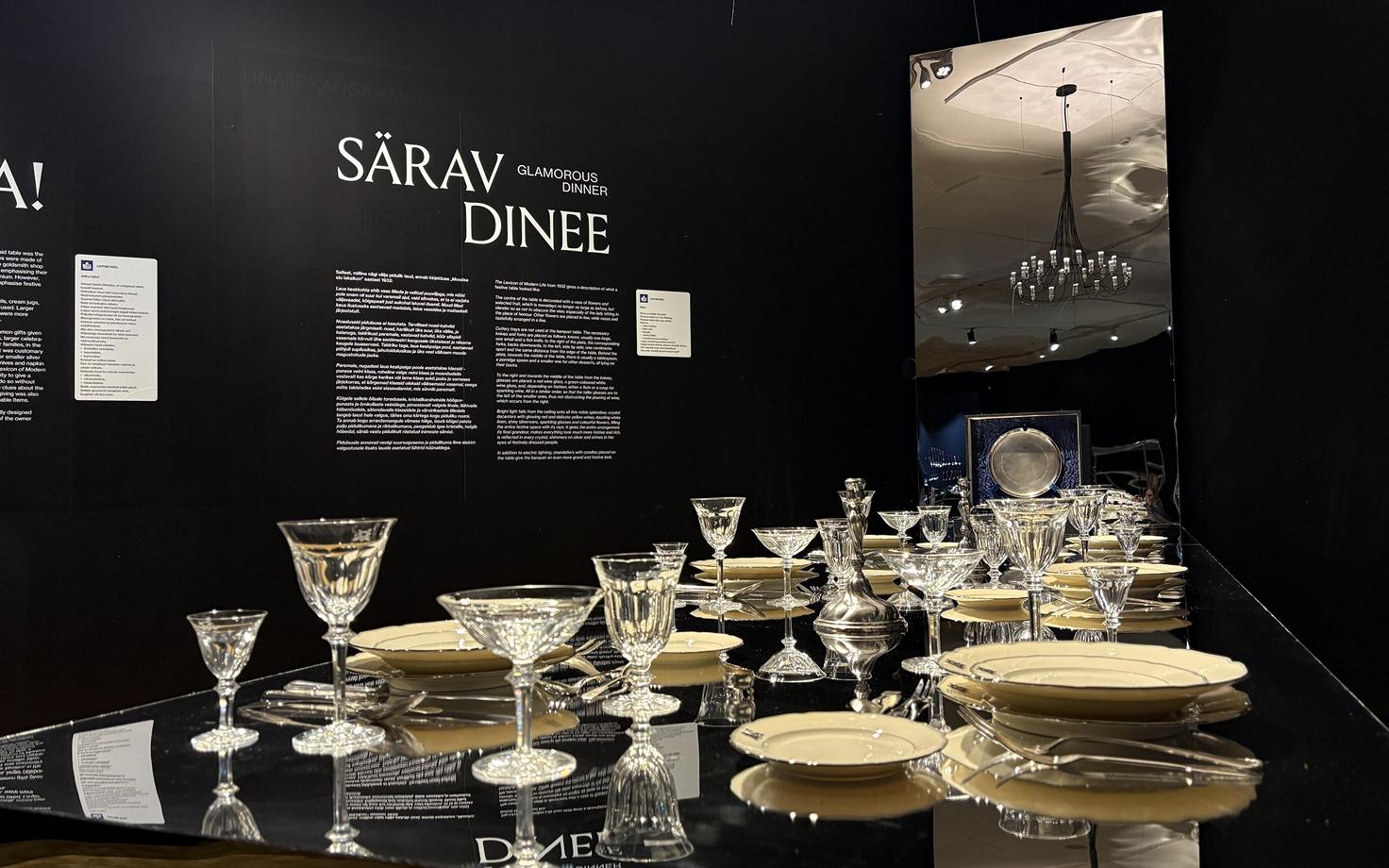
The Tartu-based Estonian National Museum (ERM) is opening an exhibition featuring the most comprehensive overview yet of silversmiths and their works.
The exhibition, which opens Friday, will showcase the lives and work of goldsmiths and silversmiths in Estonian during the interwar years.
Between 1918 and 1944, more than 400 smiths worked in Estonia, including both masters with their own businesses and workshops and those who fulfilled orders for larger companies.
Dubbed "Eestiaegne hõbe," the ERM installations will show how much craftsmanship, aesthetic sensibility and creative richness could be found in the work of the jewelry smiths of the day.
"The exhibition opens up the rich world of Estonian goldsmithing – from everyday household items to ceremonial gifts and awards. The objects tell us both about the skills of the craftsmen and the people who used and valued their work. A diverse heritage of goldsmithing has survived from this period, but little has been written about it so far," said ERM chief curator of collections and exhibition curator Riina Reinvelt. According to ERM director Laura Kipper, visitors can expect a dazzling display, but even more important are the people and stories revealed behind the glitter.
"The dedications, monograms, dates and views of Estonian towns engraved on the objects offer an insight into the values, achievements and people of the time. They provide us with a unique glimpse into society as it was then," Kipper noted.
While precious metals are mainly associated with jewelry today, the ERM exhibits focus more on practical objects. Silver was frequently used to make cutlery and coffee sets, cigarette cases and lighters, jewelry and writing accessories, among other items. Awards, anniversary gifts and decorations also form a special part of the exhibition.
The exhibition was preceded by several years of research, during which time thousands of archival records were examined and objects held in various collections were studied. The starting point was a historical collection of sample makers' marks that had been acquired by the Estonian History Museum a few years earlier. As a result of the research, more than 200 makers' marks were linked to the silvermiths who used them. These links also help identify previously unknown craftsmen.
The results of the research have also been compiled in an accompanying book of the same name, edited by Riina Reinvelt.
The exhibition "Silver for a New Republic. Estonian Goldsmiths 1918-1944" will be open at ERM's gallery from November 6 until August 29 next year.
Editor's note: The Estonian term kullassepp, literally "goldsmith," historically also covered silversmiths and those who worked in other precious metals such as platinum.
--
Follow ERR News on Facebook and Twitter and never miss an update!
Editor: Andrew Whyte, : Karmen Rebane


