Economy minister refuses to approve Estonia's Nutri-Score law
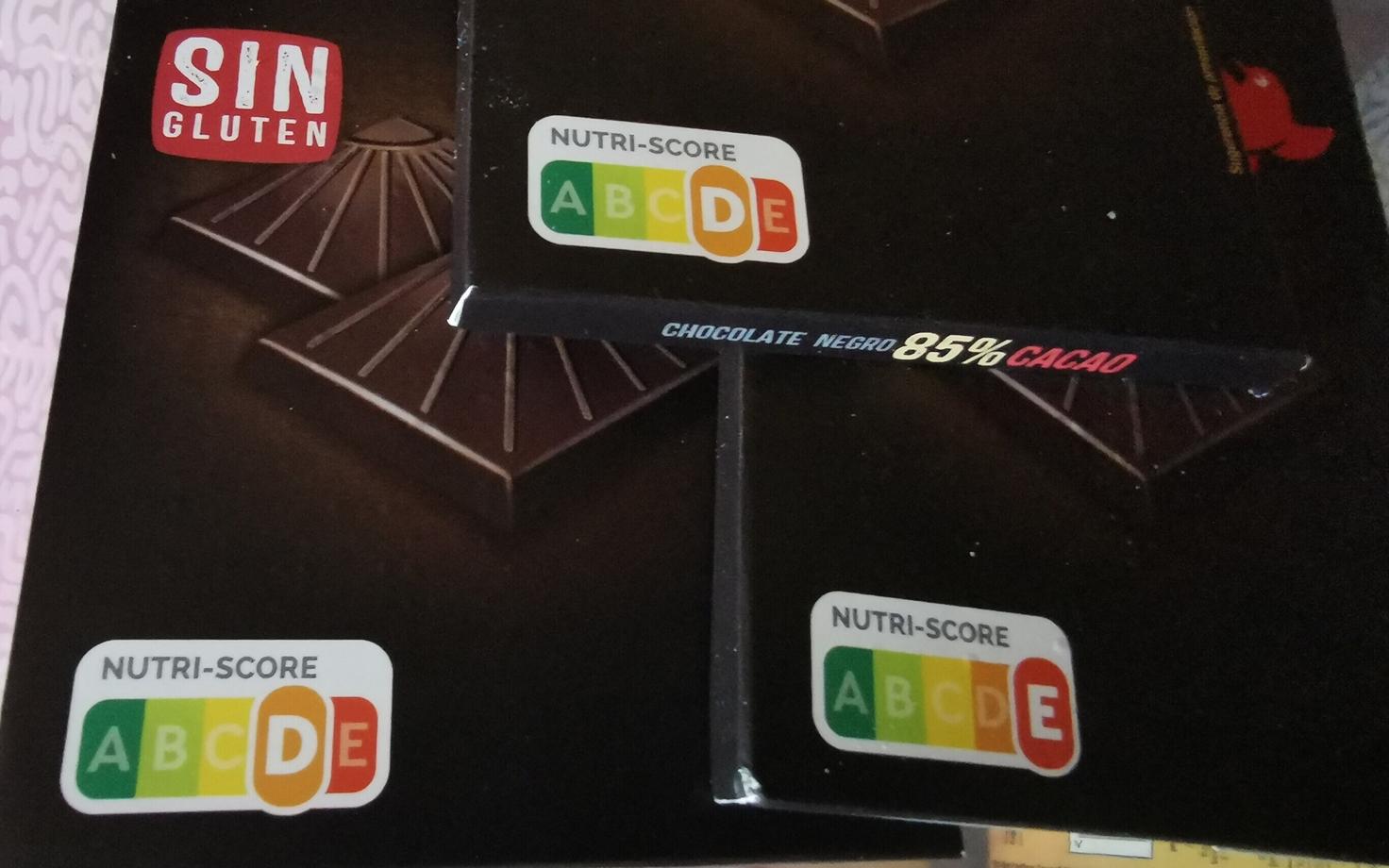
Minister of Economy and Industry Liina Vahtras (Reform) declined to approve a draft regulation introducing Nutri-Score food labeling, citing the need to examine alternatives and address concerns raised by food producers.
Under a draft regulation prepared by the Ministry of Regional Affairs and Agriculture, Estonian food businesses would be allowed to voluntarily use the Nutri-Score label, which assigns foods an overall nutritional rating based on a five-letter, color-coded scale.
The system is intended to make it easier for consumers to make healthier food choices.
Liina Vahtras has now informed the Ministry of Regional Affairs and Agriculture that the Ministry of Economic Affairs and Communications will not approve the draft regulation. She said the ministry supports improving the food information provided to consumers but believes the need for a specific labeling system, its alternatives and its potential impacts should be analyzed more thoroughly before it is introduced.
According to the minister, the explanatory memorandum does not sufficiently explain how objections from the industry have been addressed or what alternatives and risk mitigation measures have been considered. Food producers have strongly opposed Nutri-Score, arguing that the system is misleading and that its impact on people's health has not been scientifically proven.
Meanwhile, pediatricians have expressed support for Nutri-Score, saying they see the consequences of obesity in their work every day and that the information currently provided on food packaging is not sufficiently understandable.
Vahtras said the draft regulation's supporting documents do not adequately explain what competitive disadvantage the measure is intended to address or how much interest Estonian businesses have in using the label.
"Businesses and industry associations that have contacted the Ministry of Economic Affairs and Communications have so far seen no clear need to allow the use of Nutri-Score in Estonia. According to their feedback, the label would not give them a competitive advantage or an additional selling point in export markets," Vahtras said.
According to the economy minister, Nutri-Score is not used in Estonia's main neighboring markets. Nordic countries, including Sweden and Denmark, use the Keyhole label instead.
"This does not rule out the potential benefits of the label, but it highlights the need for more thorough discussions with the industry about what practical benefits the system would bring to Estonian businesses and consumers. Studies suggest that Nutri-Score can make it easier to compare the nutritional content of products, but its impact on consumers' actual purchasing decisions is modest," she said.
Vahtras noted that in an experiment involving 60 supermarkets, Nutri-Score labeling improved the nutritional quality of shopping baskets by just 2.5 percent, with the effect averaging 17 times smaller than in laboratory studies. She added that there is insufficient convincing evidence of the labeling system's long-term health benefits.
"A simplified overall rating can lead to misinterpretations: a favorable score may create the impression that a product is healthy overall, even though the label does not take into account factors such as the degree of food processing, the amount consumed or a person's overall diet," Vahtras said.
She added that a better-than-expected rating could reduce consumers' feelings of guilt, while marketing claims on packaging could weaken the deterrent effect of an unfavorable rating.
The economy minister believes these factors should be comprehensively assessed before a system is selected. It should also be clarified how the labeling system would help consumers understand nutritional information without creating a misleading impression of a food product's overall healthiness.
Vahtras said that while the draft regulation would make Nutri-Score voluntary for businesses, its use would still entail costs related to packaging changes, calculating nutritional ratings, printing and other expenses. Businesses joining the system would generally be required to display the label on all products marketed in the relevant region under the registered brand, potentially increasing implementation costs.
"Retailers' expectations could also make the use of the label effectively mandatory for businesses. We therefore consider it necessary to assess the economic impact of the labeling system more thoroughly, including implementation costs and its effect on business competitiveness," she said.
The Ministry of Economic Affairs and Communications believes there is no need to rush into favoring one system. Instead, Nutri-Score should be compared with other labeling systems used in Europe, while the advantages and disadvantages of waiting for a common EU solution should also be assessed.
"Especially since the question of Nutri-Score's compliance with EU law is currently before the Court of Justice of the European Union," Vahtras noted.
The Ministry of Regional Affairs and Agriculture will present studies related to Nutri-Score on Tuesday and the Ministry of Economic Affairs and Communications wants to take their findings into account before making a decision.
"Given that this is not an urgent change, we believe it is reasonable to take the time to discuss the issues raised more thoroughly with businesses, consumer representatives and other relevant stakeholders before proceeding with the draft regulation," Vahtras told the Ministry of Regional Affairs and Agriculture.
The Ministry of Regional Affairs and Agriculture has previously said food producers' concerns are unfounded. It has emphasized that Nutri-Score is not seen as a perfect solution capable of achieving every nutrition policy objective, but that it should make nutritional information on food packaging easier for consumers to understand.
According to the ministry's analysis to date, existing scientific evidence frequently supports labeling systems such as Nutri-Score. Consumers are more likely to notice simplified labels on the front of packaging than nutritional information on the back, while color coding also helps make the information more accessible to people from different socioeconomic backgrounds.
--
Editor: Karin Koppel, Marcus Turovski


