Design historian: Japanese design is part of our lives
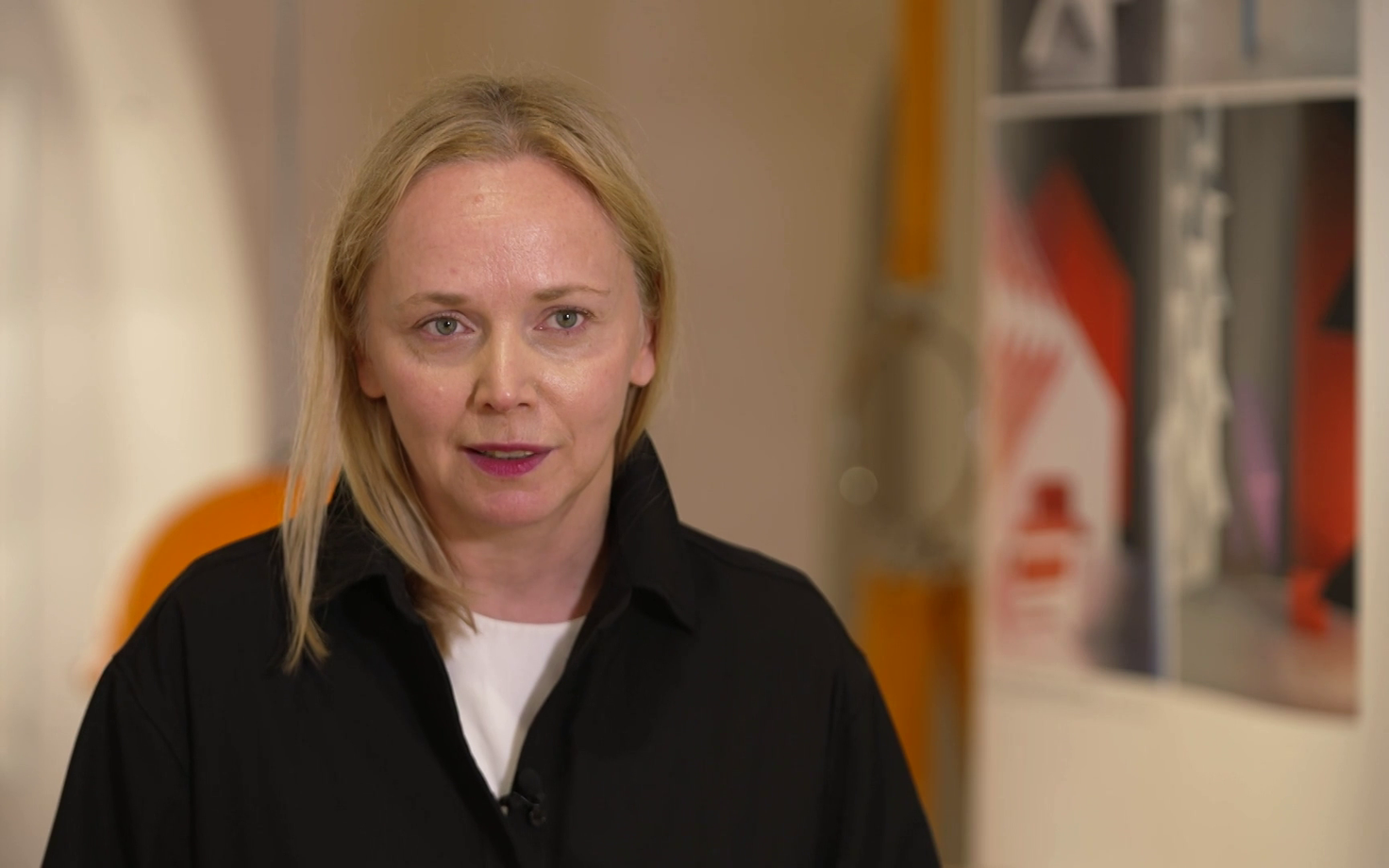
The exhibition "Japanese Design Today" at the Estonian Museum of Applied Art and Design offers visitors an opportunity to explore changes in Japanese society, culture and daily life through design. Many aspects of our own lives in the Western cultural sphere have roots that stretch back to Japan, says museum director and design historian Kai Lobjakas.
Co-organized by the Embassy of Japan, Japan Foundation and the museum, the exhibition space was designed by Professor Hayashi Tomomi of TTK University of Applied Sciences, a Japanese architect active in Estonia.
According to Embassy of Japan in Tallinn, the exhibition showcases over 100 diverse objects that epitomize contemporary Japanese design — ranging from everyday household items, such as an electric rice cooker and a tabletop soy sauce dispenser from the 1950s–60s, and Yanagi Sori's iconic "Butterfly Stool," to cutting-edge technologies and environmentally friendly systems.
Visitors can also see the original Sony Walkman portable cassette player from the 1970s and the ERS-1000 robotic dog introduced by Sony in 2018. The exhibition was bustling with visitors on Saturday.
Lobjakas said Japan has long been a highly organized society.
"Naturally, craftsmanship has always been very strong there. The exhibition also shows how that tradition carries over into the present day. On one hand, there is a very strong commitment to preserving tradition; on the other, a very ambitious focus on innovation. These two elements come together in a remarkable balance that only the Japanese seem able to achieve," Lobjakas said.
A traveling exhibition
"Japanese Design Today" continues the Japan Foundation's tradition of international traveling exhibitions. The first version of the exhibition series was created in 2004 and toured countries around the world over the following decade. The updated exhibition began its international tour in 2014. The version presented in Tallinn features a completely new selection of objects through which visitors can explore contemporary Japanese design and its historical foundations.
"As a museum or cultural institution, we are sometimes wary of traveling exhibitions. They can be heavily simplified and flattened in the process. But there are exceptions, and this exhibition is certainly one of them. It successfully brings together the realities of everyday life in Japan while placing them in the context of tradition. It also explains why this knowledge matters on an international level," Lobjakas said, adding that visitors learn not only about Japan but also about how design can influence life more generally.
Many recognizable influences
"As you walk through the exhibition, you'll recognize things even if you've never been to Japan. They're part of your life simply because you're part of the Western cultural sphere. Older generations may find fewer examples from their earlier lives, but it is clear that many of these influences have reached us over the past two or three decades. We have become accustomed to certain things whose roots lie much farther away," Lobjakas said.
Lobjakas added that, viewed broadly, there are similarities between Japanese and Estonian design.
"Both are restrained and refined by nature. That is reflected in both communication and design language. We are so close to Finland, and there is an especially strong connection between Finland and Japan. Even in this exhibition, there are a couple of works that emerged from Finnish-Japanese collaboration," Lobjakas said.
The exhibition "Japanese Design Today" will remain open at the Estonian Museum of Applied Art and Design through January 31.
--
Editor: Neit-Eerik Nestor, Argo Ideon
Source: ERR interview by Kirke Ert and Taavi Libe


