Tõnu Väät: 9 out of 10 packages from Asia clear customs outside Estonia
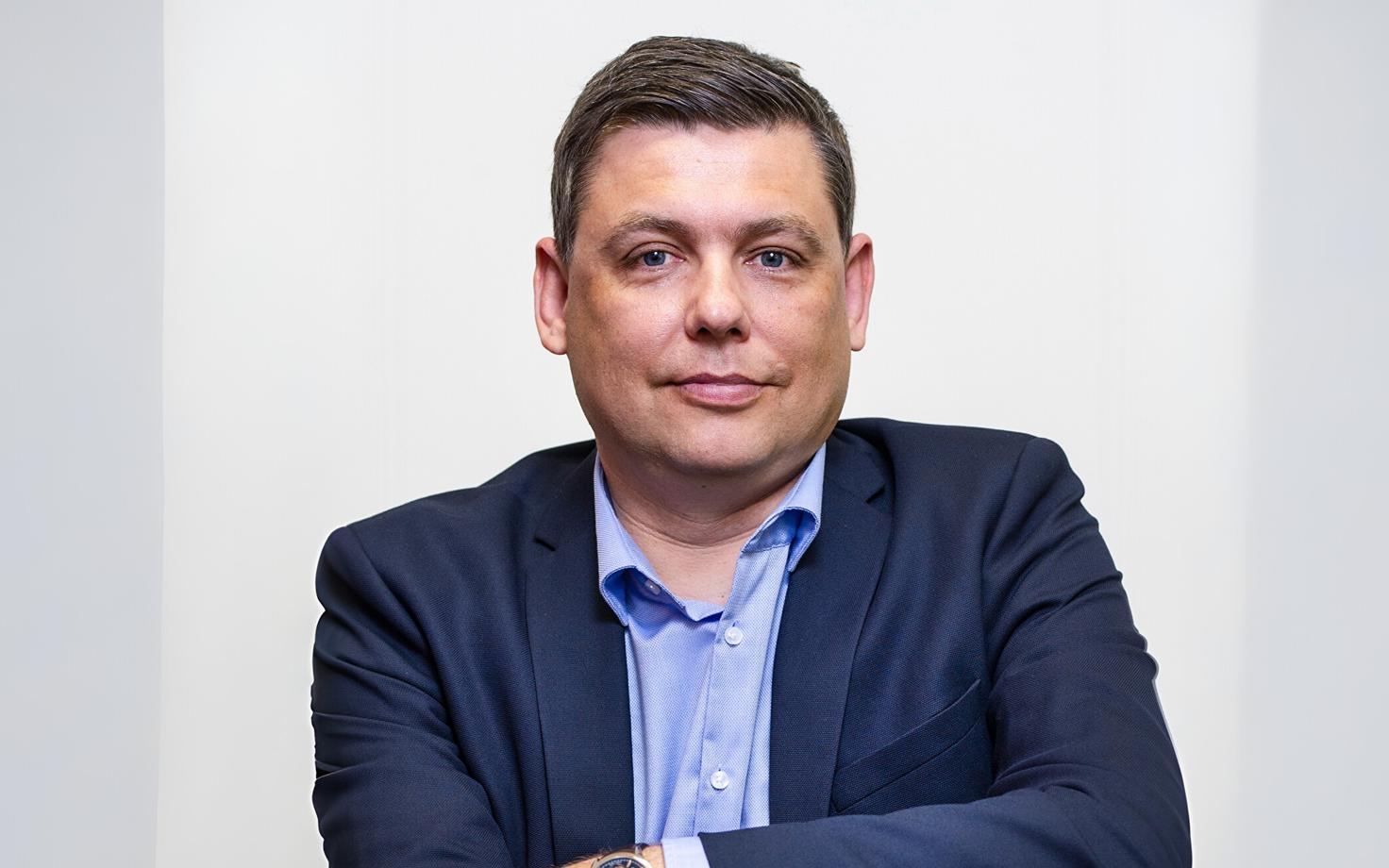
If we want the next logistics hub to be built in Estonia, we must adopt European regulations without adding our own extra requirements, writes Tõnu Väät.
Starting in November, every package ordered from Asia costs more, but the new customs duty and handling fee have revealed something more significant than a couple of extra euros added to each shipment: more than 90 percent of packages Estonians order from outside the European Union do not arrive directly in Estonia. Instead, they pass through warehouses in other countries and are declared there.
Estonian consumers pay a €3 customs duty on every product category and an additional €2 handling fee. If goods first arrive in another country, the country where the purchase was made receives none of the customs revenue. Twenty-five percent of the revenue goes to the country where the package is declared, while 75 percent goes to the European Union. For example, if a package is declared in Poland, Estonia receives nothing.
The sums involved are not small. Last year, Estonians purchased €5.8 billion worth of goods from online stores, 35 percent of that, or nearly €2 billion, from outside the European Union. No one yet knows exactly how much tax revenue is being lost, but it is clear that the money is bypassing Estonia.
Part of the reason goods bypass Estonia is geography. We are a small market on the edge of Europe. But that is not the whole story. Asian companies establish warehouses in Poland, Germany and Lithuania partly because it is easier and cheaper to do business there. Several of those countries deliberately implement Brussels regulations at the minimum required level and do not add extra requirements of their own. VAT and other trade-related taxes are lower there than in Estonia. They also actively tell investors that their countries are good places to do business.
Estonia, by contrast, adds requirements on top of European rules and taxes trade more heavily than its neighbors. As a transit country, we do not appear particularly attractive to investors.
Shein, the fast-fashion e-commerce company founded in China, recently announced it is expanding its logistics center in Poland, where it plans to employ more than 10,000 people. The company says its European warehouse network allows for faster deliveries, with customers in some markets receiving products within 48 hours, made possible by Poland's infrastructure.
What would even a fraction of that mean for a small country like Estonia? Thousands of jobs, new buildings and equipment, and the tax revenue generated from them would outweigh any lost customs revenue many times over. Altogether, we are talking about hundreds of millions of euros.
If we want the next logistics hub to come to Estonia, we must adopt European requirements without adding our own extra conditions and begin actively inviting investors to Estonia ourselves.
--
Editor: Kaupo Meiel, Argo Ideon


