14-year-olds could win right to organize protests in Estonia
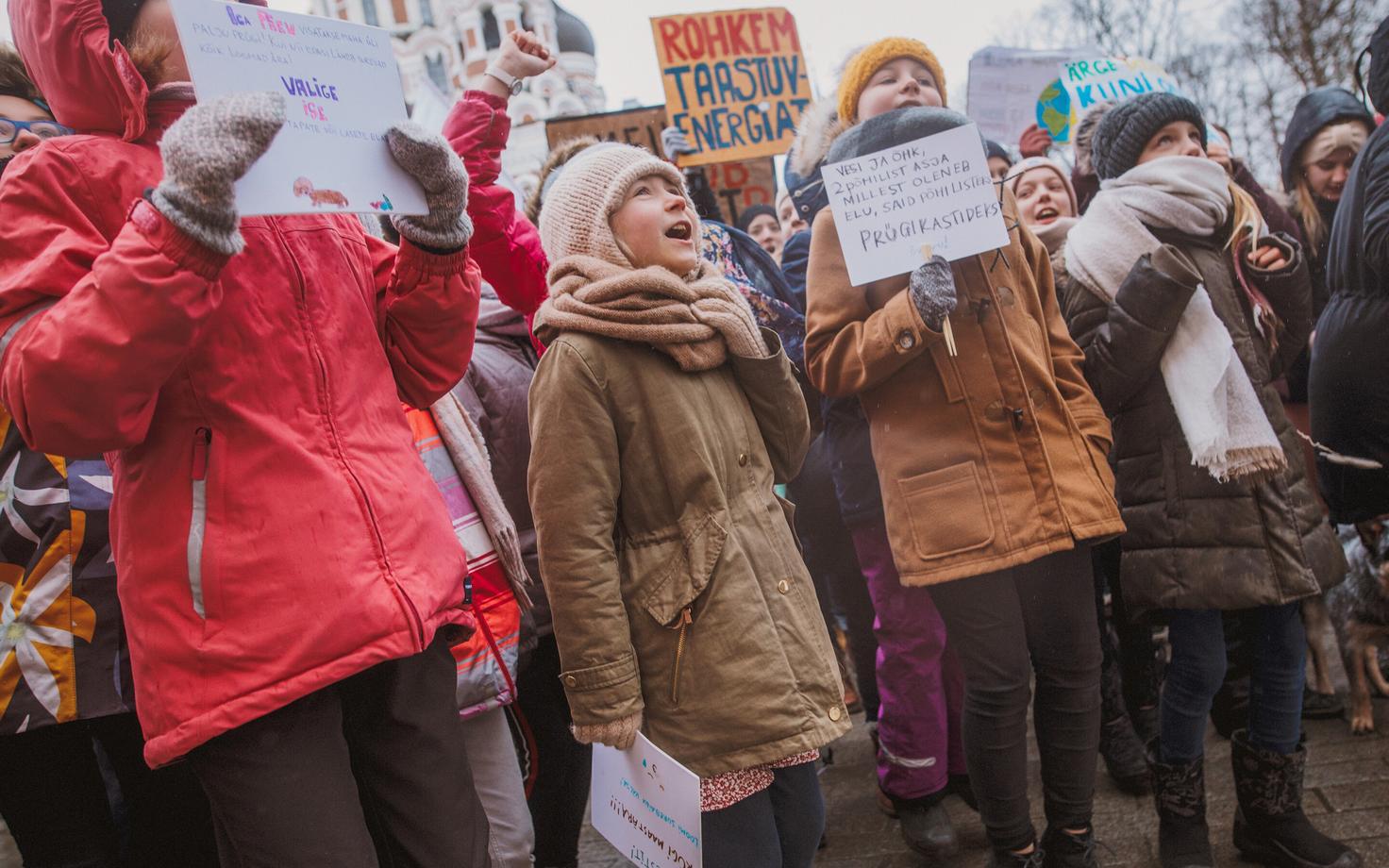
Estonia plans to lower the minimum age for organizing public meetings and demonstrations from 18 to 14, under a Justice Ministry bill which states minors have rights too.
The ministry argues young people's desire to gather should not depend on finding an adult to chaperone things on their behalf — though the police must be notified in advance of any planned organized meeting of minors.
The draft bill states that the right to peaceful assembly is an important pre-condition for a democratic and pluralistic society, and that children, as with adults, have legitimate rights and interests. Freedom of peaceful assembly gives them the chance to express their views and contribute to society, the bill argues.
The age limit is also tied to existing responsibility thresholds: under the Law Enforcement Act, people are independently responsible for public order from 14, and the age of criminal responsibility is also 14. The ministry argues that young people who have reached that age should be able to assume the responsibilities of organizing a meeting.
Justice and Digital Affairs Minister Liisa Pakosta (Eesti 200) said. "Young people's voices are important in society, and their wish to gather together should not depend on whether there is an adult willing to organize a meeting on their behalf."
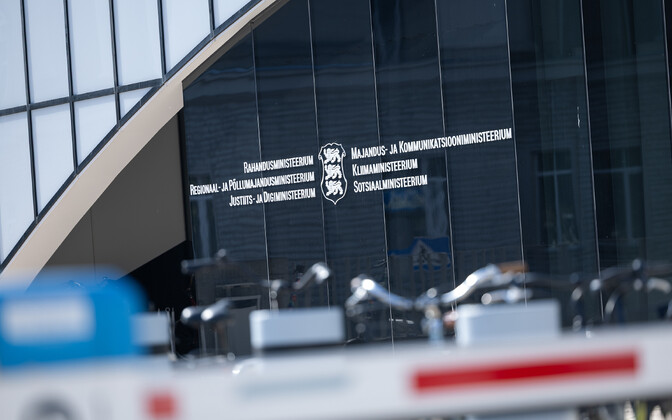
Pakosta said the change does not leave young people on their own. Parents would maintain their supervision obligation until age 18, and police must always be notified in advance of meetings held by minors. "This way, the police will know to be on alert and can quickly come to the aid of young people if necessary," she said.
The principle that the organizer is primarily responsible for the safety of a public meeting also applies to minors. "If we give young people greater freedom to express their views, we must also give them responsibility for ensuring that meetings proceed safely and that the rules of conduct in public places are followed," Pakosta went on.
Karl Erik Kirss, chairman of the Estonian School Student Councils' Union, called the amendment entirely positive. "Organizing demonstrations and public gatherings is one way to demonstrate the vitality of democracy," he said, adding that the previous law involved a great deal of bureaucracy when a minor wanted to organize a demonstration.
Kirss acknowledged that minors do not often want to hold demonstrations, but added youth and student councils already discuss demonstration as a method of advocacy. "Our hands have simply been tied when it comes to holding demonstrations until now," he said.
--
Follow ERR News on Facebook and Twitter and never miss an update!
Editor: Andrew Whyte


