Pension reform split society onto different paths, researcher says

By this year, about one‑third of second‑pillar pension holders have withdrawn their savings. Both the decision to stay and the decision to leave may have been more emotional than calculated, and the real winners and losers of the reform will become clear in 20–30 years, says behavioral economics researcher Heidi Reinson.
After Estonia's pension reform, one‑fifth of second‑pillar savers withdrew their money in the first wave in 2021. Now the share of leavers has grown to one‑third. "The moment of truth for the reform will come in a couple of decades, when a generation retires that has had the opportunity to save in the pillar throughout their working life. Then a contrast will emerge between those who have savings and those who do not," says Reinson, senior specialist in financial behavior research at the University of Tartu.
Now that exactly five years have passed since the reform, Reinson says it is possible to look back at it. She has studied the reform's broader societal impact, the demographic profile of leavers, and the reasons for leaving or staying. "Both decisions may have been emotional or well‑considered," she notes.

Whose word carries weight?
As mentioned, most second‑pillar withdrawals were made in the first wave. As a behavioral researcher, Reinson sees that the first wave differed from later ones. "There was certainly distrust or even a sense of political protest. People who did not trust the pension system, the state or banks made a principled decision: even if they did not directly need the money, they withdrew it because it felt right," she explains.
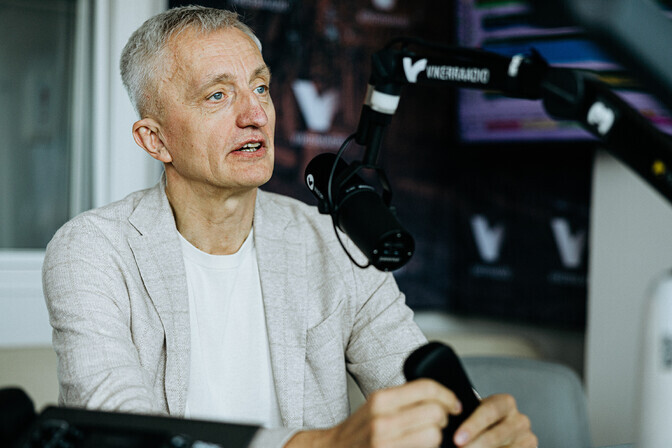
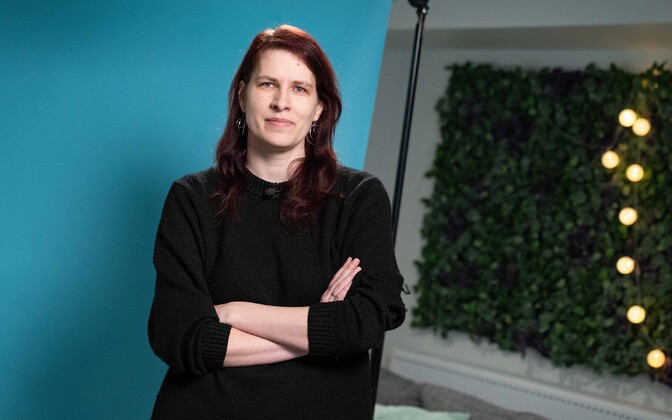
At the time, Reinson worked at Kantar Emor, studying whom people trust in financial decisions. Two names that frequently appeared in spontaneous responses were experienced banker and investor Indrek Neivelt and financial-literacy enthusiast Kristi Saare. "Because the pension topic is complicated, we rely heavily on opinion leaders or the views of those close to us," she says. Society was, figuratively speaking, split into two camps: supporters of one opinion leader considered leaving the pillar correct, while supporters of the other did not.
"It seems the first wave was more psychological; after that, it has been more of an economic decision," Reinson points out. There are three annual withdrawal windows, and each wave has included households that decided to take out their money. Still, all later waves have been more modest and the decisions more deliberate.
Leavers knew what they were doing
Reinson has mapped the demographic profile of a typical first‑wave leaver. She found that leavers were more likely to be people with a native tongue other than Estonian, payday‑loan repayers and large families. People with higher education were more likely to keep their second pillar. "The narrative of children as pension pillars may also have played a role: if you have children, you don't need to save separately because they will take care of you in the future," she says.
The main reason for leaving was distrust. Both second‑pillar leavers and people who do not save for retirement at all act out of distrust toward the pension system. "If non‑savers are given the chance to withdraw from a mandatory pillar, they are more likely to do so. This means their future financial gap will be even larger," Reinson explains.
Contrary to stereotypes, people's decisions were not influenced by ignorance of second‑pillar rules, such as income tax or inheritance. Leavers knew the rules just as well or even better than those who stayed. "Those who stayed did so somewhat blindly — they trusted the system and had heard that the second pillar is good, so they didn't feel the need to understand it in detail. It was more evident that leavers knew well what their decision meant in the short term," she clarifies.
In a newer study, Reinson also examined people's decisions to increase voluntary third‑pillar contributions. Participants received reminder emails a week before the deadline. "The most effective message was 'help secure your and your loved ones' future'. Contribution amounts grew the most among those who received this message," she recalls.

The big "winner" was the state
The real winners and losers of the pension reform will only become clear decades from now. Half joking, but based on facts, Reinson says the biggest winner was the state budget. "People probably didn't think about the fact that the state received 1.3 billion euros from the first withdrawal wave, on which income tax was paid. But I would put 'winner' in quotation marks, because in reality the state brought future costs into today's revenue," she says.
At the population level, future projections by the social and finance ministries indicate that those who stayed in the second pillar will clearly benefit. But Reinson cannot say what was best for each individual household. "Exaggerating a bit, maybe for families who used the withdrawn money to travel during school holidays five years ago, it was the right decision — maybe it prevented a divorce or made the children happier," she says.
However, those leavers who have no savings and no backup plan will likely be the losers. If people rely only on the first pillar and think they will never retire or that war will come first, their retirement will be poorer. "This is where major inequality arises, when they look at colleagues who saved in the second and third pillars all their lives and now enjoy a comfortable retirement," she notes.
Broadly speaking, the pension reform split society, she says: "We are now on two different paths. On one side are people who have only the first pillar, and on the other those who have saved in all three pillars for a long time."
The impact of this so‑called pension gap will first appear among the generation born in the 1980s, who will have saved — or not saved — for 40 years by retirement age. "This may create a new wave of perceived unfairness and political pressure to increase the first pillar or pay more subsistence benefits. I would say the pension reform will increase inequality in the future," she says.
Countries considering pension reform should, according to Reinson, treat Estonia as a cautionary example. Reforms should always be thoroughly thought through. "Estonia's reform was extremely radical because we allowed people to withdraw the state social tax portion. Internationally, this seems unbelievable: no other country has allowed people to take back money paid as social tax," she notes.
On the brighter side, Estonia offers a good example with the so‑called cooling‑off period for second‑pillar leavers. In other words, a person submits an application but does not receive the money immediately. By comparison, after a similar recent reform in South Africa, people can withdraw their pension literally from an ATM. "Estonia's system prevents such impulsive decisions," Reinson says.
--
Editor: Argo Ideon


