Ministry: We would like to see broader discussion on Nutri-Score
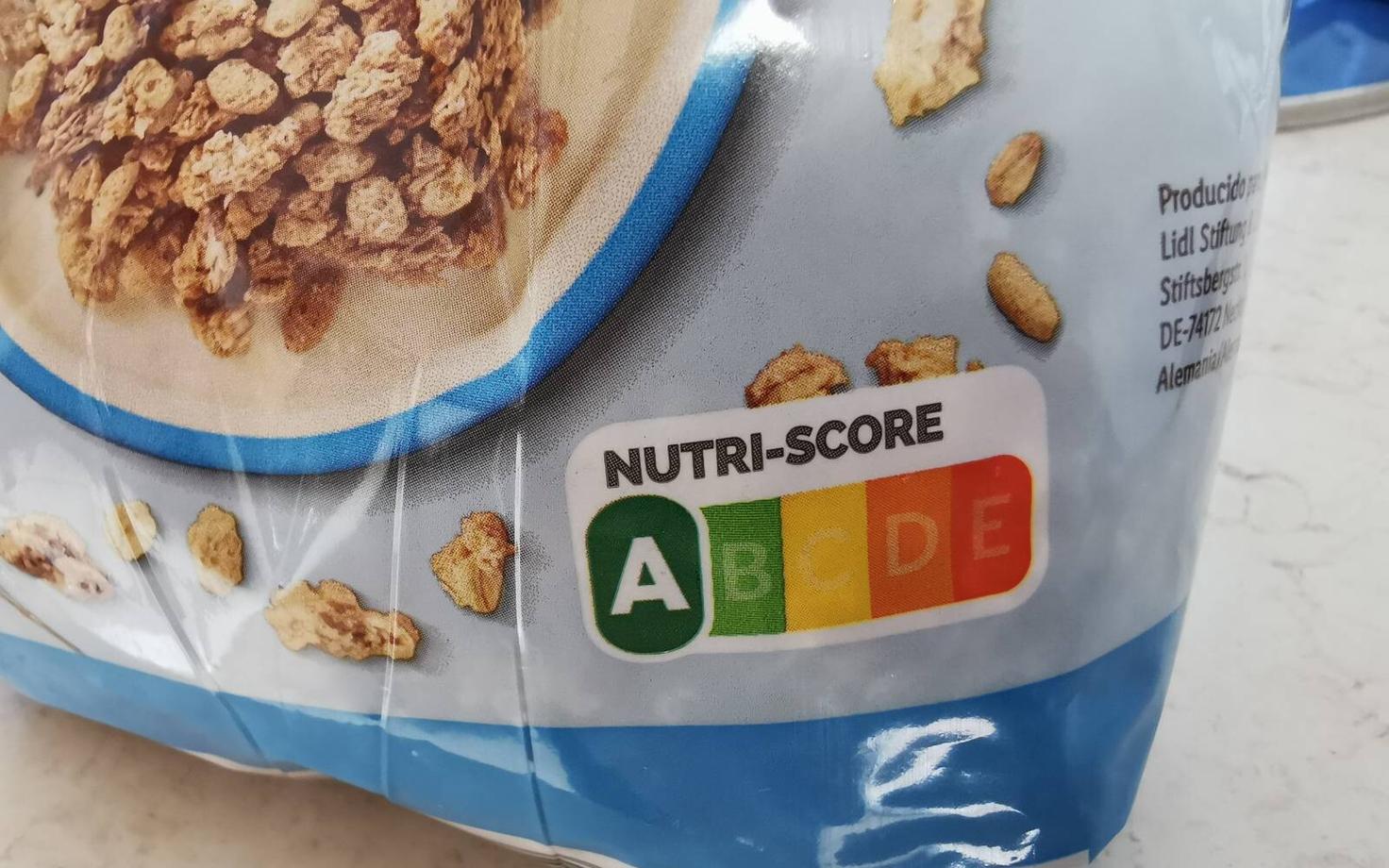
Nutri-Score labeling continues to spark debate among nutrition scientists, food producers and government ministries.
The Ministry of Regional Affairs and Agriculture wants to allow its use, but the Ministry of Economic Affairs says its impact and producers' objections need further review, and declined to sign off on legislation permitting voluntary Nutri-Score labeling.
The Agriculture Ministry argues producers' concerns are unfounded and that evidence supports simplified front-of-pack labeling.
Triinu Sillamaa, head of the Ministry of Economic Affairs' business environment department, told "Aktuaalne kaamera" the aim is a wider discussion so all sides can give their views and the studies now under way can be presented, adding the ministry is not radically opposed to the idea. "The purpose of our response was that we would not make hasty decisions," she said.
The Agriculture Ministry says it will respond to supporters and opponents alike. Secretary general Triin Kõrgmaa noted the label is voluntary and obligatory to no one. "If companies feel it is necessary and gives them a competitive advantage, helps them stand out from other producers, then our obligation as a state is to give them that opportunity," she said.
The Association of Estonian Food Industry has opposed the label, arguing it may create a misleading impression that a traditional local product is inherently bad, since it does not account for the product's natural composition or the quantity most people consume.
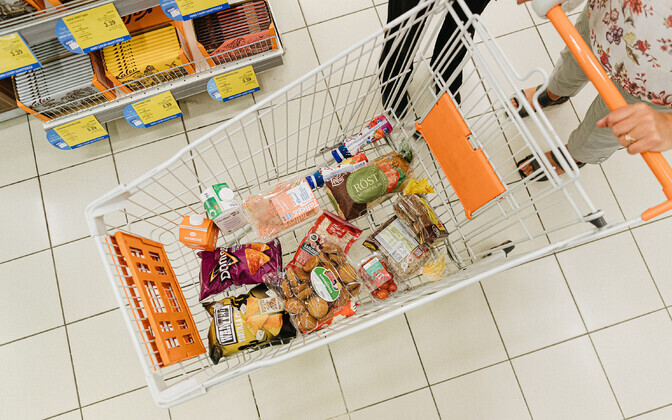
A study of 242 products sold in Estonia, published Tuesday, found the majority of Nutri-Score labels align with national nutritional recommendations. One problem area is sweeteners, which the algorithm counts only in the drinks category, not for dairy products.
A second issue is the lack of distinction between refined and wholegrain products, nutrition scientist Mirel Mesila noted. "The algorithm can't yet distinguish wholemeal from refined products. White rice and wholegrain rice can get the same rating," she said.
A second study compared whether people find it easier to decide what to buy or consume using Nutri-Score labels. University of Tartu researcher Kristjan Pentus said the labeling at least led people to choose healthier options more readily.
Economy Minister Liina Vahtras (Reform) this week declined to approve a bill allowing voluntary Nutri-Score labeling, saying the system, its alternatives and its impacts need more analysis and that industry objections hadn't been adequately addressed. Producers argue Nutri-Score is misleading and unproven, though pediatricians support its adoption. Vahtras cited an experiment across 60 supermarkets which found the label improved shopping-basket quality by just 2.5 percent, far smaller than laboratory findings. The labels' EU-law compliance is before the European Court of Justice.
The agriculture ministry, which drafted the regulation, says producers' concerns are unfounded and that evidence supports simplified front-of-pack labels.
Nutri-Score is a nutritional labeling system created in France, using a color-coded letter scale from dark green A to red E to show the overall nutritional quality of packaged foods per 100 grams or 100 millilitres.
--
Follow ERR News on Facebook and Twitter and never miss an update!
Editor: Andrew Whyte, Johanna Alvin
Source: 'Aktuaalne kaamera'


