Union warns Eesti Energia staff reductions could affect power plant safety
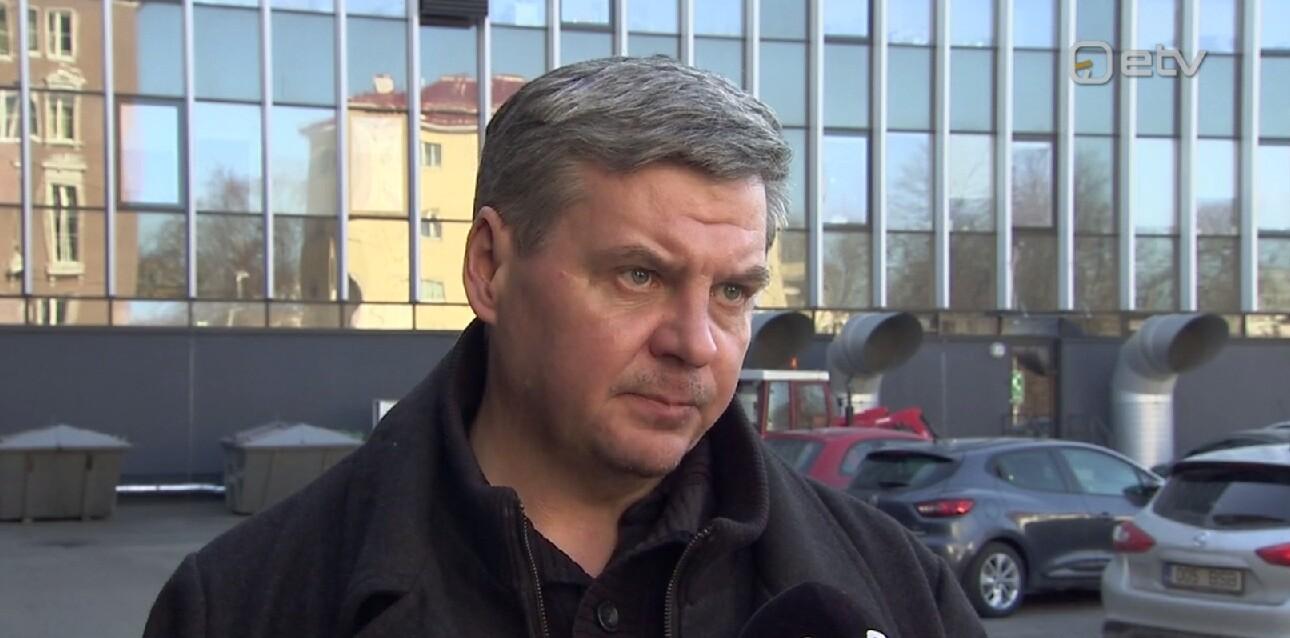
Sander Vaikma, head of the Estonian Energy Workers' Trade Union, says the reported figure of 390 job cuts at Eesti Energia is only a preliminary estimate. He warns that the planned layoffs could also affect power plant maintenance and repair work, raising potential safety concerns.
State-owned energy group Eesti Energia is planning large-scale layoffs. The company's previous major round of cuts took place in 2019. At the same time, Eesti Energia hired about 800 people in 2023. Management says the latest decision is aimed at improving efficiency and strengthening the company's position in the energy market.
Vaikma acknowledged that an employer's desire to improve efficiency is understandable. The energy market is highly volatile, and companies must take uncertainty into account. However, the consequences for employees can be severe.
Layoffs a catastrophe for employees
"For every employee, a layoff is a catastrophe. Even if only one person loses their job, it is a catastrophe. If 300 people are laid off today, then it is a catastrophe 300 times greater," Vaikma said.
Finding a new job in Ida-Viru County, especially one with comparable pay, will not be easy, Vaikma noted. The situation could be particularly difficult for people with loans and leasing obligations. The loss of a steady income may create not only serious personal financial difficulties but also financial problems for local governments, whose budgets depend on working residents.
At the time of the interview, the unions had not yet received final lists of the positions and departments affected by the layoffs. Vaikma said the information is expected to emerge during consultations with the employer. Earlier media reports suggested that around 330 jobs could be cut in Ida-Viru County and about 60 in Tallinn. However, the union representative stressed that those figures should not yet be considered final.
The unions' main objective in negotiations is to reduce the number of layoffs as much as possible. They also intend to closely review the lists proposed by management and assess whether staff reductions could create additional workplace safety risks.
"The first goal is to reduce the number of layoffs as much as we can. The second is to help those people whose jobs are ultimately cut," Vaikma explained.
The unions hope to use cooperation with the Unemployment Insurance Fund and their own social assistance funds to support workers who lose their jobs.
Staff reductions and power plant safety
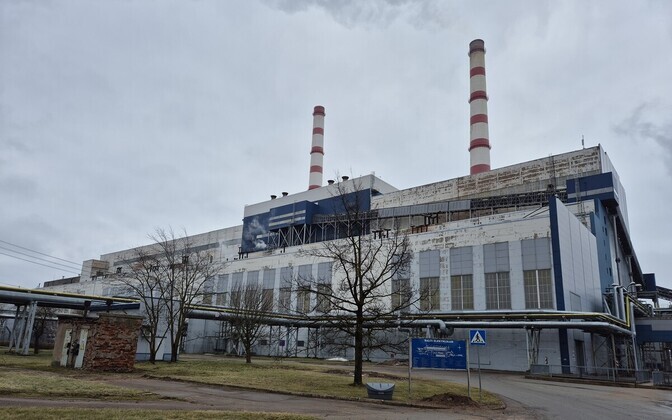
The unions are also concerned about management's plans to outsource some functions of support units to third-party companies. This raises questions about whether the quality of maintenance and repair work at power plants could suffer and whether additional risks could emerge.
Vaikma noted that the energy sector traditionally places a strong emphasis on safety. Eesti Energia has strict safety rules that also apply to contractors. Nevertheless, unions intend to separately evaluate any proposals where workforce reductions could affect the safety of production processes.
Large-scale layoffs could also change working conditions for employees who remain with the company. Whether workloads will increase and whether that could lead to higher salaries remains unclear. According to Vaikma, workers should not expect automatic pay raises after colleagues are laid off. Nor will they have guarantees that they will not face another round of layoffs in the future.
He recalled that after previous large-scale layoffs, employees were able to count on relative stability for five or even 10 years. However, workforce optimization eventually returned to the agenda. As a result, even those who keep their jobs cannot be fully confident about their long-term prospects at the company.
For now, the unions are focusing primarily on negotiations with Eesti Energia's management. Vaikma described relations with the employer as constructive, while emphasizing that management and labor representatives have different interests. If consultations fail to produce results, workers' representatives are not ruling out further collective action.
However, there are currently no concrete plans for protests or a strike. According to Vaikma, a strike during the planned layoffs could prove ineffective because the employer could simply postpone the dismissals until a later date.
The question of possible government intervention also remains open. Eesti Energia is state-owned, and the head of the Estonian Energy Workers' Trade Union noted that public statements by government representatives have so far offered little reason to expect active support for employees.
Oil shale industry has a future
Despite the planned staff reductions and uncertainty in the energy sector, Vaikma is relatively optimistic about the future of Estonia's oil shale industry.
In his view, the oil shale sector will continue operating in the future. The key question is what products it will produce. Global demand for oil shale products, including shale oil, is expected to remain.
"I am confident that the oil shale industry will not close down or be eliminated anytime soon," Vaikma said.
--
Editor: Artur Tooman, Argo Ideon
Source: rus.err.ee


