Estonian scientists create new comprehensive model for measuring child welfare
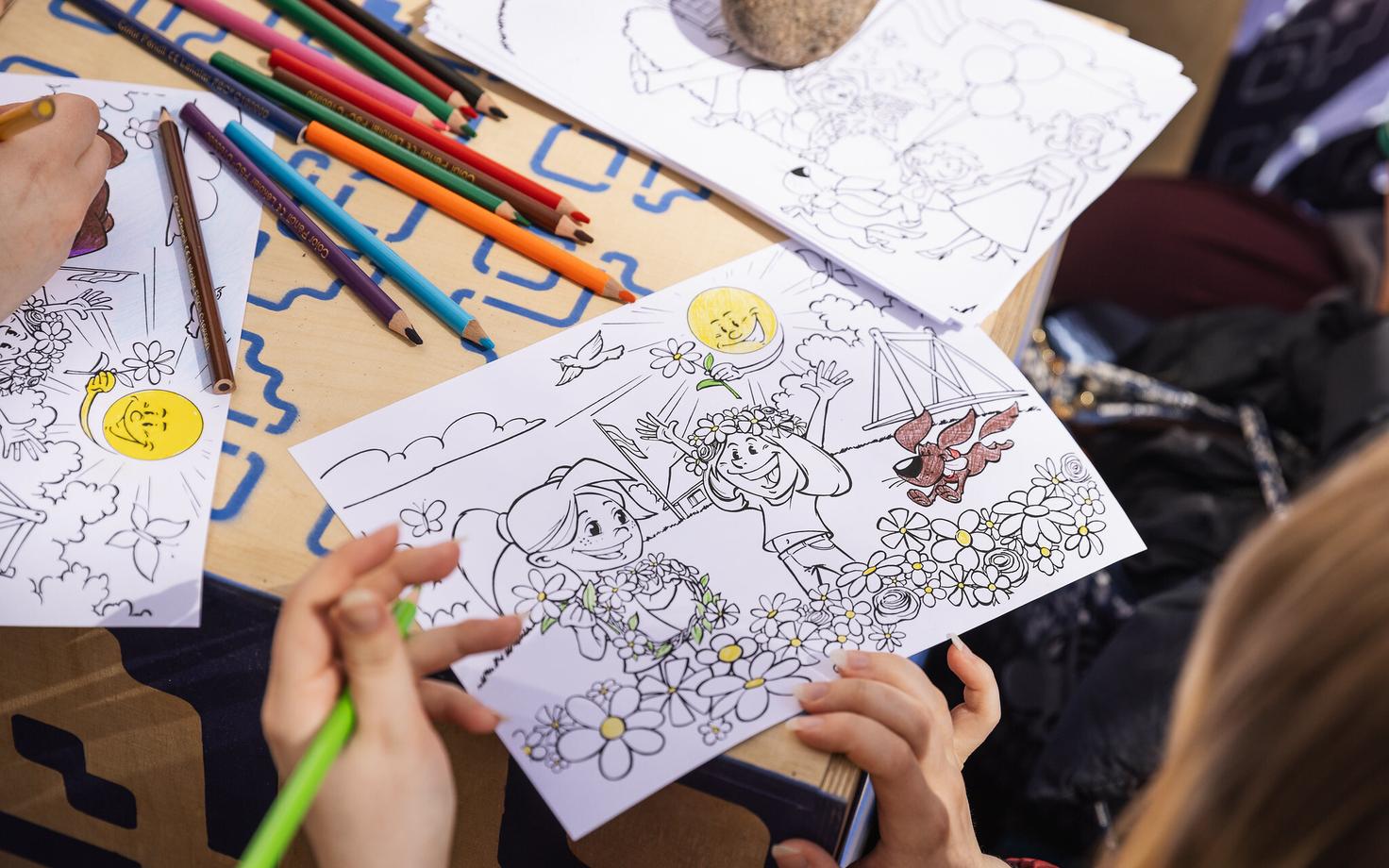
A new Estonian child well-being model aims to provide a more comprehensive picture of how children are doing, helping policymakers identify inequalities and direct support where it is needed most.
The question "Is a child doing well?" cannot be answered based solely on grades, health indicators or family income. A more revealing indicator of a child's well-being may be whether they feel lonely despite having friends or whether they constantly feel stressed despite doing well in school.
A child's well-being depends on more than just having their basic needs met or doing well in school. Relationships, a sense of safety and belonging, self-confidence and the opportunity to feel that their voice matters are equally important. A child who earns good grades and is physically healthy may still experience loneliness or constant stress, while another child may find support in close relationships and feel good even when everything is not perfect.
Numerous studies involving children have been conducted in Estonia, but the data has so far remained fragmented and a comprehensive overview of children's circumstances is lacking. Understanding children's well-being requires looking beyond individual indicators and areas of life, listening to children themselves and considering the full picture of their lives.
This understanding forms the basis of Estonia's cross-sectoral child well-being model, which we developed with the ongoing involvement of children and young people aged 14 to 20 from diverse backgrounds, life experiences and levels of experience in participation. We also collected data separately from preschool children, children with special needs, children with immigrant backgrounds, children with a history of offending, children in alternative care and children at risk of social exclusion. The aim was to account for factors affecting the well-being of children who face greater risks of vulnerability.
The model covers eight areas: health, material resources, environment and living conditions, personal development and learning, time use and leisure, safety and protection, relationships, and culture and integration. The model treats these areas as interconnected and distinguishes between different levels of influence, including the child, family, peers, educational institutions, local governments, the state and society.
What do the indicators tell us?
The set of indicators used to assess child well-being includes approximately 250 different measures. For example, it is possible to separately track the proportion of children who are satisfied with their lives or with how safe they feel. If satisfaction with personal safety is lower in a particular region or group of children, it is worth examining various safety indicators, such as the proportion of children who feel safe at home, at school or in their neighborhoods. Such comparisons help identify areas where further investigation is needed.
To identify differences in children's well-being and potential inequalities, children are grouped according to gender, age, language, ethnicity, family financial circumstances, family structure and whether they have special needs. For example, an initial analysis using the model confirmed that children growing up in financially disadvantaged families have significantly lower levels of well-being across various areas than children from families in average or good financial circumstances.
However, the available data does not allow children's well-being to be monitored equally comprehensively in all areas, as the scope and frequency of the indicators are somewhat limited by the underlying data. For example, most of the underlying data is available only at the regional level rather than the local government level. The data also often excludes children aged 0 to 6, although it generally covers children aged 7 to 17. The underlying data for the indicators is typically updated annually or at least every three to four years.
What will the model change for Estonian children?
The model and its set of indicators help provide a more comprehensive and regularly updated picture of children's well-being and identify areas where children need greater attention or support. It is not enough to know how children are doing overall; it is also necessary to monitor the well-being of children facing more difficult life circumstances or requiring additional support.
The model and indicator system form the basis for Estonia's forthcoming child well-being dashboard, a data tool that brings together key indicators of children's well-being in one place. Among other things, national and local government policymakers will be able to use it to identify strengths and shortcomings in children's well-being, set development goals and direct resources toward areas of greatest need. For example, the findings could support decisions to fund additional school psychologists in regions where children's mental health indicators are below average.
The model lays the foundation for more evidence-based child policy by supporting a comprehensive, data-driven understanding of children's well-being in Estonia. At the same time, it is important to continue improving data quality, disaggregation and coverage to reduce the number of groups of children who remain "invisible" in the data, promote data-driven equity and ensure that monitoring of children's well-being reflects the circumstances of all children as accurately as possible. The ultimate goal is clear: to ensure that every child in Estonia has the opportunity to grow and develop in a healthy and supportive environment.
More information about the model is available on the Ministry of Social Affairs' child well-being data webpage.
--
Editor: Marcus Turovski, Johannes Peetsalu


