Over 100,000 without a family doctor but no single fix, experts say

Nearly 110,700 people in Estonia are on patient lists without a permanent family doctor, up from 72,500 four years ago, a new National Audit Office analysis found.
Retirements are set to outpace new entrants into the profession, and the state, doctors and the medical association disagree on whether the patient-list model itself still works.
The disagreement runs deeper than funding too. Katrin Rehemaa, head of the Estonian Medical Association, says the patient-list model established in the early 1990s no longer works. "The model where everyone has their own family doctor who looks after them and their family members and knows their patients unfortunately no longer works very well," Rehemaa said. She argues the fix is to reorganize the division of labor and take non-medical duties off doctors — work that nurses, assistants and support staff could absorb.
Social Affairs Minister Karmen Joller (Reform), herself a family doctor, rejects that. "When I became minister, I asked one of our health care experts what could be improved in the health care system," she said. "He said our family doctor system was almost perfect. We have implemented all the measures recommended by WHO." She cites research showing patients with a long-term relationship with their family doctor live longer and are healthier.
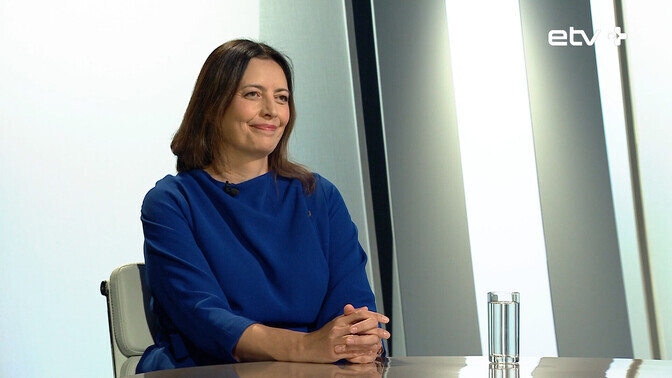
Elle-Mall Sadrak, head of the Estonian Society of Family Doctors, meanwhile says the problem is not a shortage of qualified specialists but their distribution. "There are actually enough doctors in the system, because there are nearly 900 qualified family doctors working in the country for around 780 patient lists," she said. Some cover more than one list or work part-time. Doctors need better incentives to work where shortages are most acute.
Sadrak sees a bill currently at the Riigikogu, which would introduce special measures for at-risk and crisis areas, as the main route to relief. "The state is already taking steps, and a bill addressing at-risk and crisis areas should be coming soon, allowing alternative solutions to be used to temporarily alleviate a crisis," she said. That could mean more flexible working — a doctor present three or four days a week rather than all five, with some remote work permitted.
She also warns that doctors already in the system need protection from excessive workload. "We need a mechanism that would allow patients who are mentally or physically abusive toward their family doctors to be removed from their patient lists," Sadrak said. "Such mechanisms do not currently exist."
Training is part of the answer, though a slow one. A record 46 new family medicine residents were admitted this year, and Joller acknowledges the timeline. "Training a family doctor takes four years, so there are no quick solutions." Rehemaa notes that not all graduates take on patient lists, with some moving into private practice where they see patients without responsibility for a fixed list. Joller argues many return to lists after two to five years once they know what practice suits them.
The state's other levers are pay and administrative relief. The Health Insurance Fund has raised capitation payments for doctors treating more complex cases, and a project launched this November uses artificial intelligence to help family doctors document their work faster.
The demographic pressure is the hardest fact. The average age of family doctors is rising, and more than half of those managing patient lists are now 60 or older. The National Audit Office says the Ministry of Social Affairs must therefore design a system that accounts for long-term workforce shortages — and that shortages cannot be solved by training more doctors alone, but by retaining the ones already working.
Follow ERR News on Facebook and Twitter and never miss an update!
Editor: Andrew Whyte


