New electric trains to begin service on Tartu line in February
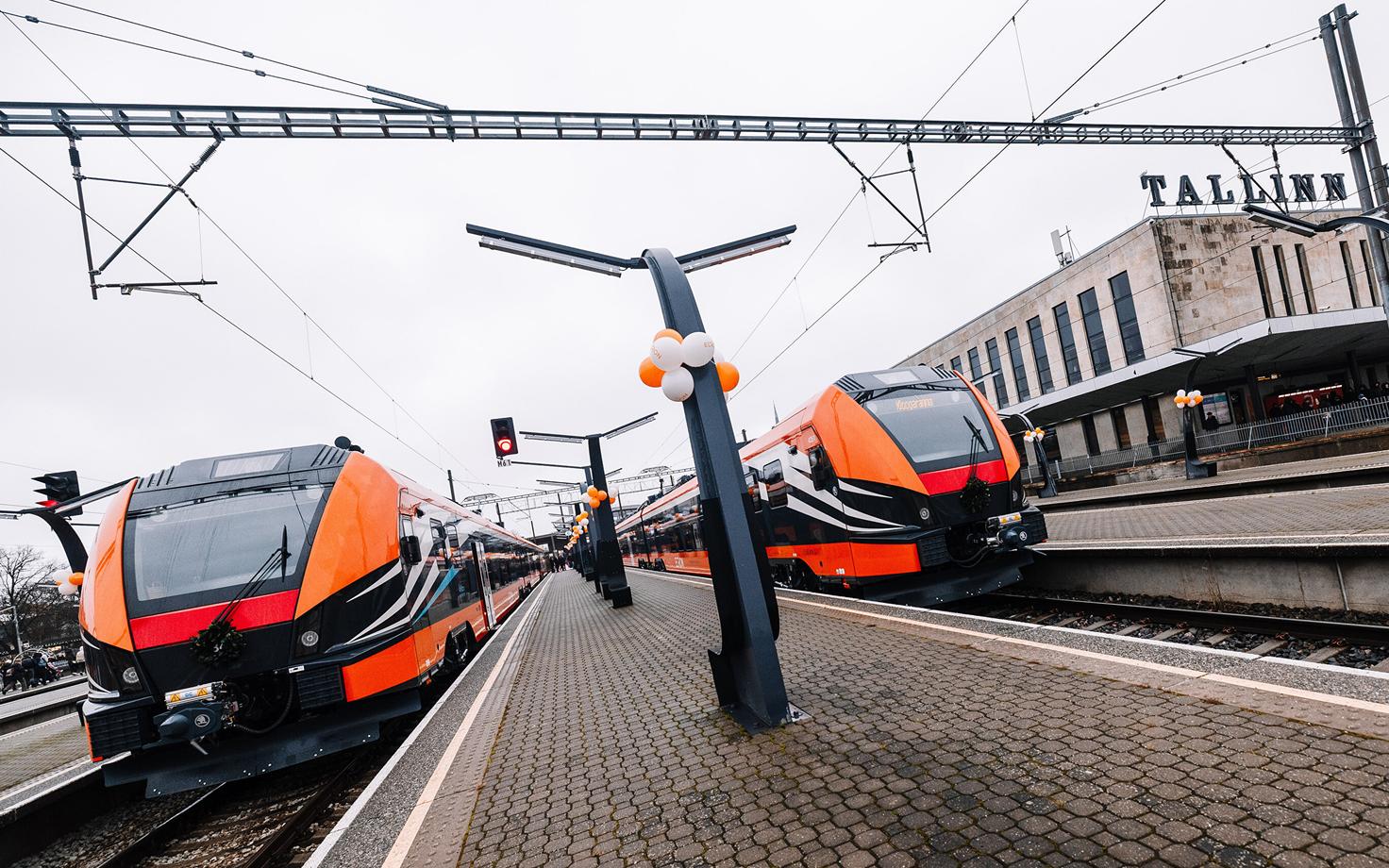
Travel times between Tallinn and Tartu will fall below two hours again by mid-January when infrastructure work is completed, with Elron's new Škoda electric trains expected to enter service on the route in February.
Passengers will continue to face some disruptions until mid-January, after which travel time between Tallinn and Tartu will be reduced to one hour and 55 minutes.
Travel times on the Tartu line will remain as long as two and a half hours in November before beginning to decrease in December. Beginning in the summer of 2027, the fastest trains will cover the Tallinn–Tartu route in one hour and 45 minutes.
"Based on information from Siemens Mobility Oy and GRK Rail Oy, we can say that the final work needed to introduce the new traffic control system on the Tartu line is in its final stage," said Merle Kurvits, chair of the management board of Eesti Raudtee.
"The most intensive work will take place in November, and it is being carried out on an active railway line. That is why passengers should pay particular attention to timetables during this period. It is inconvenient, but we ask for a little more patience. Journeys will become faster starting in December, and by mid-January it will be possible to travel from Tallinn to Tartu in less than two hours," Kurvits said.
"In a meeting with us, Siemens representatives confirmed that the construction schedule will allow the new electric trains to begin operating on the Tartu line in February," Infrastructure Minister Kuldar Leis said.
"The addition of electric trains will also make it possible to reassign existing diesel trains to other routes and increase rail service frequency elsewhere in Estonia."
Eesti Raudtee is carrying out the infrastructure upgrades station by station on the Tartu line. The railway will not be closed during construction because doing so would deprive passengers of an important transportation option and shift freight traffic onto roads.
The project involves replacing the system that manages train traffic and ensures rail safety. Passengers should expect timetables to change more frequently than usual in construction areas, although changes will generally be measured in minutes rather than hours. If construction delays occur, Eesti Raudtee will immediately notify Elron so passengers can be informed of timetable changes.
Infrastructure work is also continuing on the Narva line, where travel times will be reduced in November from the current two and a half hours to two hours and seven minutes. Beginning in January 2027, passengers will be able to travel from Tallinn to Narva in less than two hours, with the journey falling to one hour and 50 minutes beginning in June.
With funding from the European Union, Eesti Raudtee is upgrading infrastructure, signaling, and safety systems across much of Estonia's rail network. The work is being carried out by a consortium of Siemens Mobility Oy and GRK Rail Oy under a contract signed in November 2020. The Tapa–Tartu section is part of that agreement.
--
Editor: Marko Tooming, Argo Ideon


