New book traces centuries of Estonian glove-knitting traditions
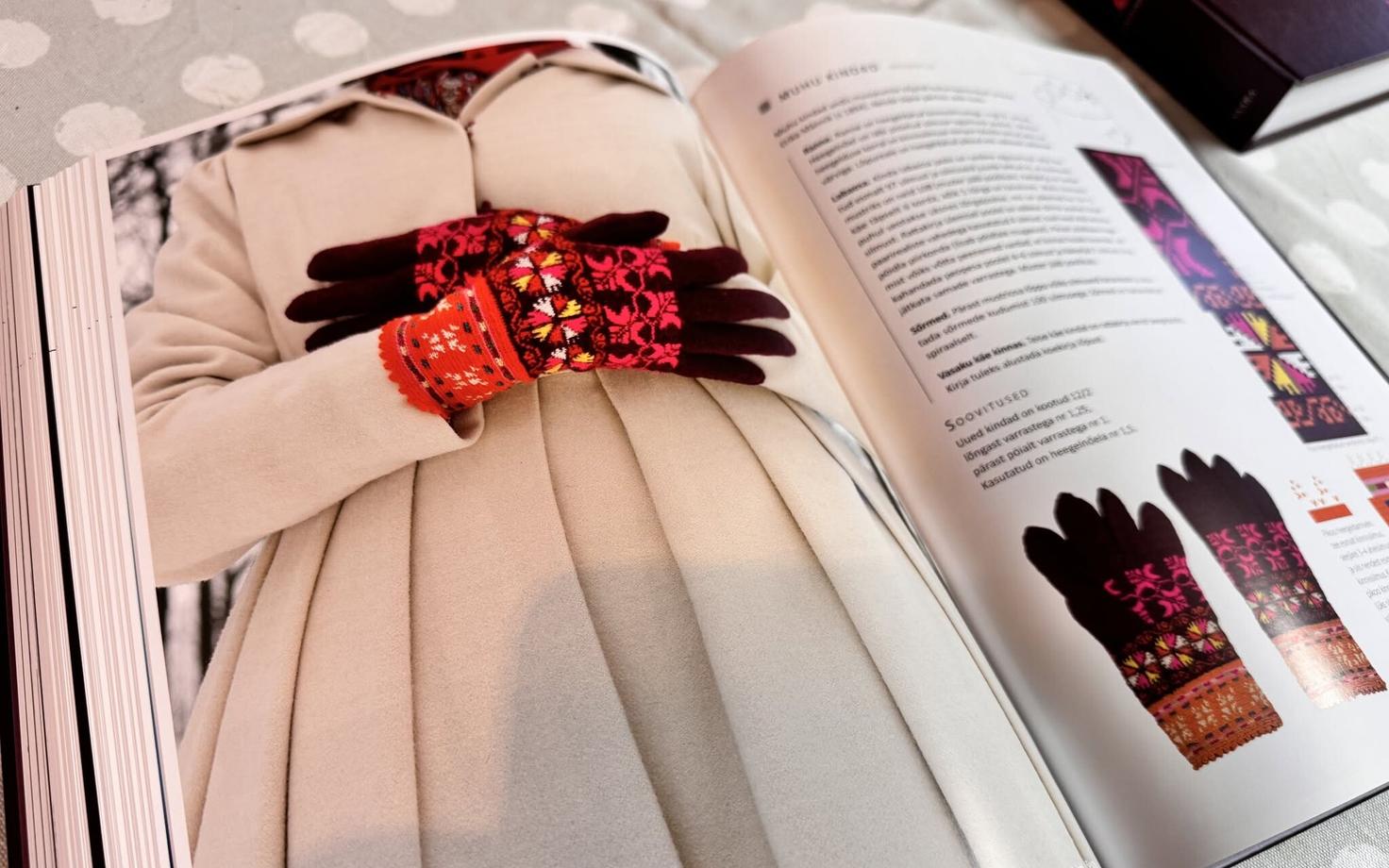
A new book explores Estonia's rich knitted glove traditions, tracing their history back to the 15th century and documenting regional patterns and even tested rare techniques.
A 13-year research project found that knitted gloves date back much further in Estonia than previously thought. The oldest known glove found in Tallinn dates to the 15th century, pushing their documented history back several centuries earlier than previously believed.
The book, "Estonian Knitting 4. Gloves," reveals how knitted gloves were once worn as festive accessories at weddings and other celebrations, even in summer. Their patterns reflected the knitter's skill and the parish where she lived.
In some traditions, gloves also carried symbolic meaning. "If a man in Muhu was brewing beer, he had to be wearing red gloves and shout while pouring it," explained Anu Pink, one of the book's two authors.
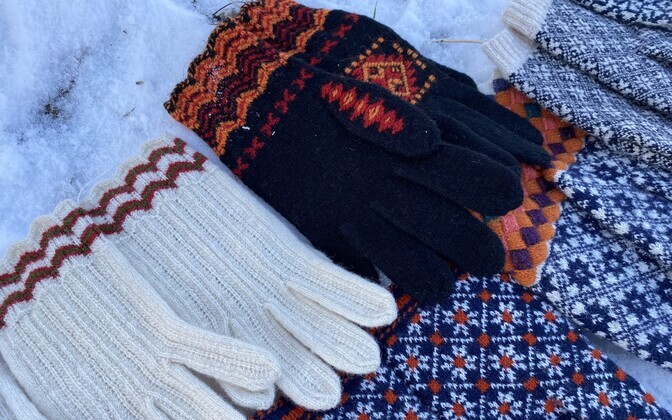
Researchers were surprised by the rare techniques and unexpected color combinations found across different regions. Pink also noted that even poorer Estonians seemed to knit beautifully patterned gloves.
Tested patterns
Co-author Kristi Jõeste acknowledged that reconstructing historical techniques for the book proved challenging — even experienced knitters had to spend considerable time testing methods to work out how the original gloves might have been made.
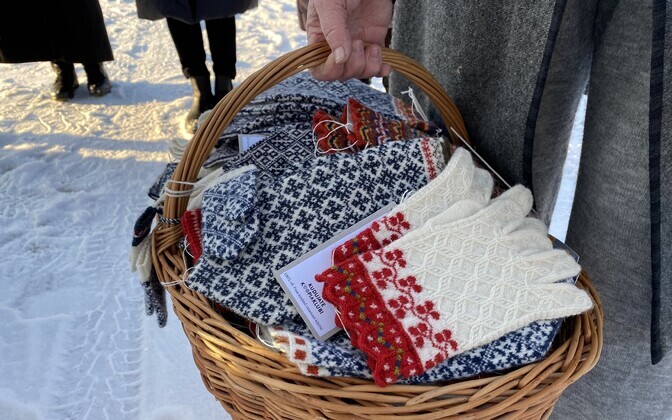
"We can't say with 100 percent certainty exactly how they were made, but if we can achieve a similar result, that's pretty good already," Jõeste said.
To make the patterns accessible to modern knitters, skilled practitioners tested all 211 charts included in the book. Some chunkier-knit Southern Estonian gloves can be knitted in about 20 hours, but densely patterned gloves from Muhu, for example, still take at least 40.
Everyday accessories
Knitter Jana Hindrikson said fit is just as important as appearance, with careful stitch distribution across the fingers helping ensure the finished gloves are comfortable.
"My family and I all wear hand-knitted gloves as everyday gloves," she said. "They're warm, durable and very beautiful."
Although knitting is receiving less attention in school handicrafts classes these days, the tradition is being kept alive by both young people reconnecting with their roots and international enthusiasts inspired by Estonian patterns.
The authors say the four-volume "Estonian Knitting" series will continue, with more research still to come.
--
Editor: Annika Remmel, Aili Vahtla


