Estonia's judges may take pay dispute to European Commission
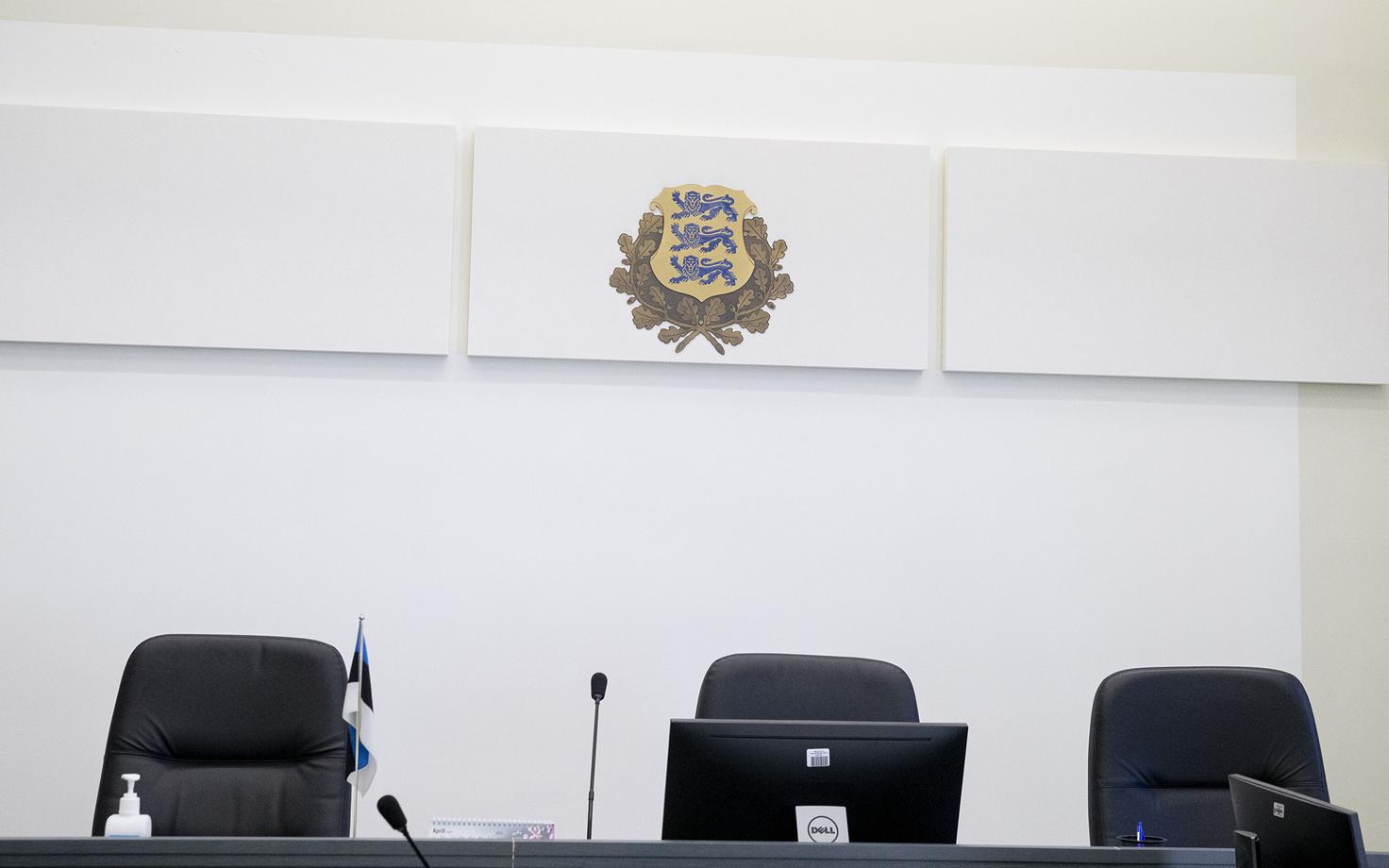
Estonian judges may turn to the European Commission in the face of a four-year pay freeze, but Minister of Finance Jürgen Ligi (Reform) believes everyone must currently make savings.
Judges are concerned about a decision in the state budget strategy to curb salary growth for senior public officials over the next four years.
Judges have a special status under the Constitution, and their salaries are also linked to the obligation to hold office for life. As reduced indexation was initially supposed to end in 2028, the government decided to extend it until 2031.
Although judges are outraged, Ligi said he currently sees no reason to discuss judges' special status.
"The initial decision has been made, and it is not reasonable to discuss judges' special status. What is reasonable to discuss is whether those who currently fall outside this regulation should also have their regulations changed, primarily the Riigikogu," he said.
The minister added that indexing salaries and linking them to average wages or employment is a fairly safe approach.
"Nothing unfair or disproportionate is happening there. We are going through difficult times, and in a situation where the public sector is making cuts across the board, it is difficult to argue that anyone is exempt from the inevitability of cuts," he explained.
Ligi compared the current situation to the financial crisis, when there were also major political risks, but relief could then be expected from the introduction of the euro. Now the situation is more serious.
Anu Uritam, a Harju County Court judge who heads the Estonian Association of Judges, told ERR that this argument is understandable, but judges are unwilling to accept the situation.
"Which areas the state cuts and which it invests in is a political decision. We are going through difficult times, but that has not prevented the state from investing in major construction projects, from Süku to Rail Baltica. So ultimately, it is a political decision where the state chooses to allocate its resources and where to make cuts. As for the judicial system, the administration of justice is one of the state's core functions, and a state cannot function without it," she said.
Uritam explained that judges' workloads have increased, for example, due to the migration crisis, and that finding new judges is becoming increasingly difficult because the judicial system has undergone several budget cuts.
She added that by reducing indexation, the state has already broken its promise regarding judges' social guarantees.
Uritam therefore does not rule out raising the issue at the international level as well.
"One option we have not yet used is to approach the European Association of Judges through the Estonian Association of Judges and ask it to draw up a resolution supporting Estonian judges. This would be forwarded to the governments of European member states, and we could also inform the European Commission. In other words, we will try to draw attention to the problem internationally as well," she promised.
--
Follow ERR News on Facebook and Twitter and never miss an update!
Editor: Helen Wright


