EU directive forces 6-year renovation deadline on old non-residential buildings
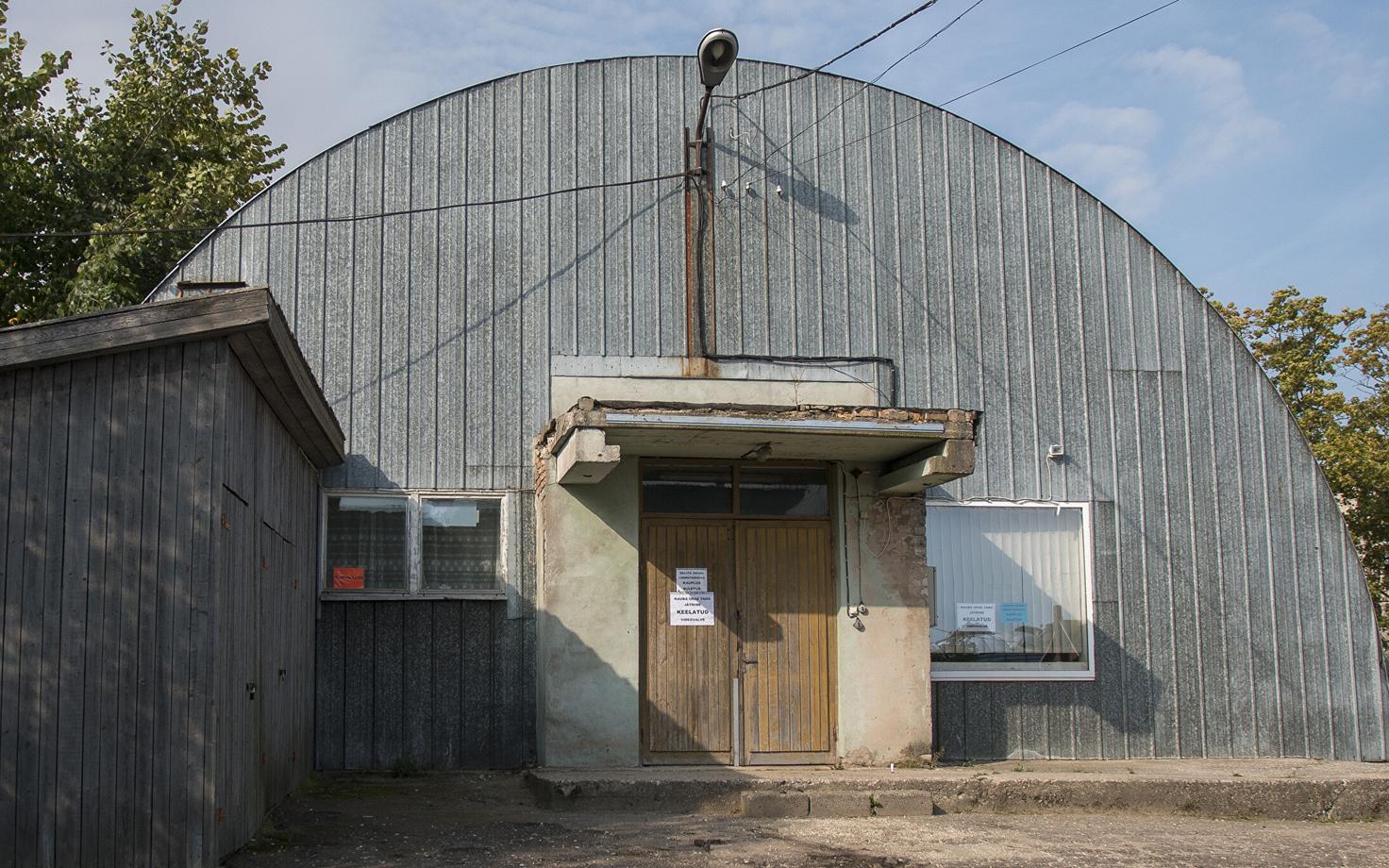
Owners of old non-residential buildings must renovate them within six years under a Climate Ministry plan, a requirement the real estate sector says will cause problems in rural areas.
The plan will be codified in domestic legislation, which in turn transposes an EU directive.
Buildings in energy classes G and H are required to reach at least class F by 2030, and class E by 2033. Renovation costs are estimated at nearly €290 million, with a payback period of about six years.
Class H and G buildings are generally old and are not insulated. A 1970s brick apartment building in Lasnamäe for instance might be rated at F, while later 1990s buildings with individual improvements such as new windows might reach level E.
The Ministry of Climate plans to amend the Building Code and bring it into line with a European Union directive, which requires renovation of non-residential buildings in poor condition — commercial and public buildings, warehouses and office buildings among them.
The requirement covers buildings in the poorest energy classes. Those rated G or H must reach at least class F by 2030 and at least class E by 2033. Renovating them will cost nearly €290 million in total, with an average payback period of about six years, according to the draft legislation. Renovated buildings have lower heating costs and rise in value.
Ingvar Allekand, chairman of the EKFL, the national real estate association, told ERR the change would create a major problem, affecting not only property owners but the wider economy. He said it would impose unreasonable costs and that businesses, particularly in rural areas, would struggle to cope.
Allekand said: "We already have a problem today with agricultural businesses closing their doors. Regional businesses are also closing down, and jobs are being lost. With this amendment, we are simply adding fuel to the fire."
Allekand said Estonia should reconsider how it transposes the directive, arguing member states have considerable freedom in implementation, and that a more lenient form is the solution.
Lauri Suu, head of the construction department at the Ministry of Climate, told ERR the requirements for these buildings are part of a broader amendment covering all buildings in which people carry out activities, with requirements differing by building type. He said the draft will soon reach the Riigikogu, where amendments can be proposed.
Responding to the association's call for the most lenient possible implementation, Suu said that is already happening. "We have indeed implemented the absolute minimum package on our part, meaning we are not doing anything more than the directive requires as a minimum," he said.
The EU Directive requires renovation of non-residential buildings in poor condition, including commercial and public buildings, warehouses and offices. Member states decide how to transpose it. The draft legislation will soon reach the Riigikogu.
--
Follow ERR News on Facebook and Twitter and never miss an update!
Editor: Andrew Whyte


