Marju Kõivupuu: Halloween won't displace Estonia's mardi and kadri traditions
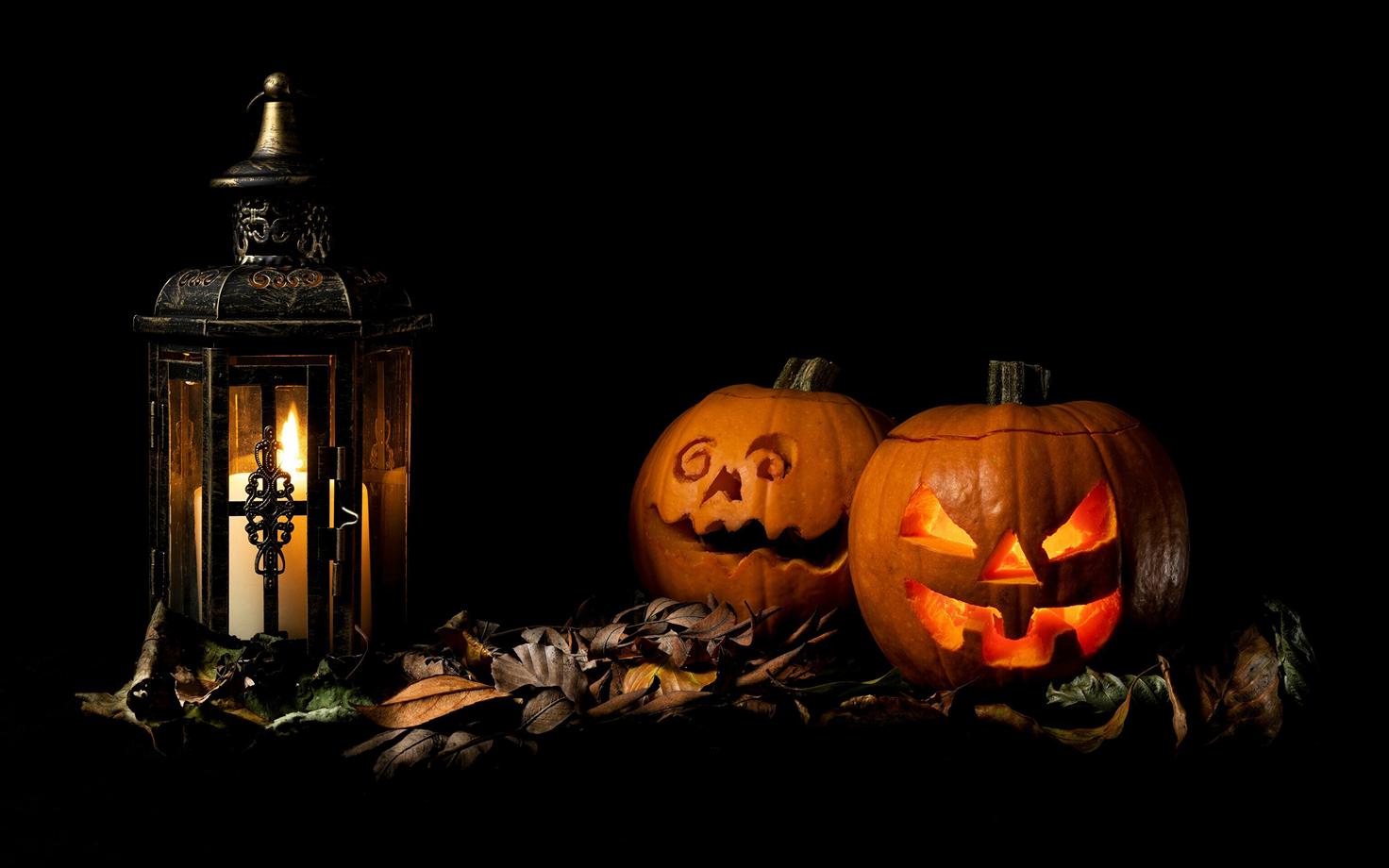
No holiday pushes another out of the calendar automatically — people themselves can make the choice about which rituals live on, folklorist Marju Kõivupuu finds.
In the same way, Halloween, which in its present-day form is an import from North America, will not in and of itself destroy Estonians' twin mardi- and kadrisants festivals, held on November 10 and November 25 respectively.
"I have said time and again that no holiday displaces anything on its own, these are choices made by people. For me as a researcher it is interesting to look at what basis we make these choices on," Kõivupuu found in an interview given to R2 hommik.
The folklorist noted that representatives of various faiths tend to label each others' rituals. "That false notion derives precisely from the fact that this or that faith or religion starts to consider itself 'higher' and via that terming belittles others. Christianity took over the holidays connected with marking the old souls' day and honoring the dead, worked them into something more amenable to itself and took them into use," Kõivupuu offered by way of an example.
The same logic holds for Halloween, she said. "Halloween's roots too are indeed in pre-Christian Celtic customs, from which the Christianized Germanic peoples took over that tradition. We now know it as a commercial, entertaining children's holiday that arrived in Europe from America via a circuitous route," the folklorist went on.
Kõivupuu recalled that the Irish carved lanterns which are now characteristic of Halloween from turnips and swedes, but on the European side of the pond. In America, the Europeans found new types of crops, and swapped out the older root vegetables for the pumpkins we now associate with the holiday, just for convenience's sake.
As a theme running through many cultures, the darkening autumn-winter nights serves to bring ancestors' souls back to earth. "If we compare it with our souls' time, then that cloaking is the result of the fact that, according to old beliefs, there is a certain time of the year when the spirits or souls of dead ancestors — whatever we term them — return to earth but want to take the living with them from here," the expert continued.
Kõivupuu added that customs need to be able to breathe, to be dynamic, to stay alive: "A tradition lives when people develop it further. If we give something up, then it stays behind us, but presumably this Halloween was so important that it was adapted according to circumstances."
Equallly, an intentional support and international attention have their place too. "Very few people also know that the Estonian folklore council is currently working in the direction of getting our mardi and kadri day tradition onto UNESCO's representative list of intangible heritage," said Kõivupuu.
Holidays' campaigns on the store shelves
Clever marketing also adds spice to these red-letter days. As a result, international corporations create convenient ready-made solutions so people can celebrate holidays. In the same way, domestic candy producers try to offer children special kadrisants sweets, with the major difference from Halloween being, as Estonian traditions, their lack of a global reach.
As a wider trend, traditional calendar holidays are pushing ever earlier into the commercial sphere, sometimes not even in the most obvious areas. "I went to a building supplies shop at the start of September; I needed a few screws there, and the first thing you could see, in September was already the Christmas trees and elves. I'm sorry, but we still have very plenty of holidays in between; but we can't wait for the holidays any more, they push in from every side," Kõivupuu shared as an anecdote.
The folklorist noted at the same time that more domestic holidays tend to fall below those red-letter days with a bigger commercial footprint, even when children learn the traditional ways thoroughly and wait for sweets at the door when they go "santing" (specifically "mardisandid" on St. Martin's Day (Mardipäev) and "kadrisandid" on St. Catherine's Day (Kadripäev) and originally more akin to carol singing than trick or treating). "Let's be frank, it still stays very, very much in the shadow of that pumpkin holiday, or Halloween," Kõivupuu conceded.
--
Follow ERR News on Facebook and Twitter and never miss an update!
Editor: Jaan-Juhan Oidermaa, Andrew Whyte
Source: R2 Hommik


