Ave Schank-Lukas: Europe's future in our hands but much remains to be done
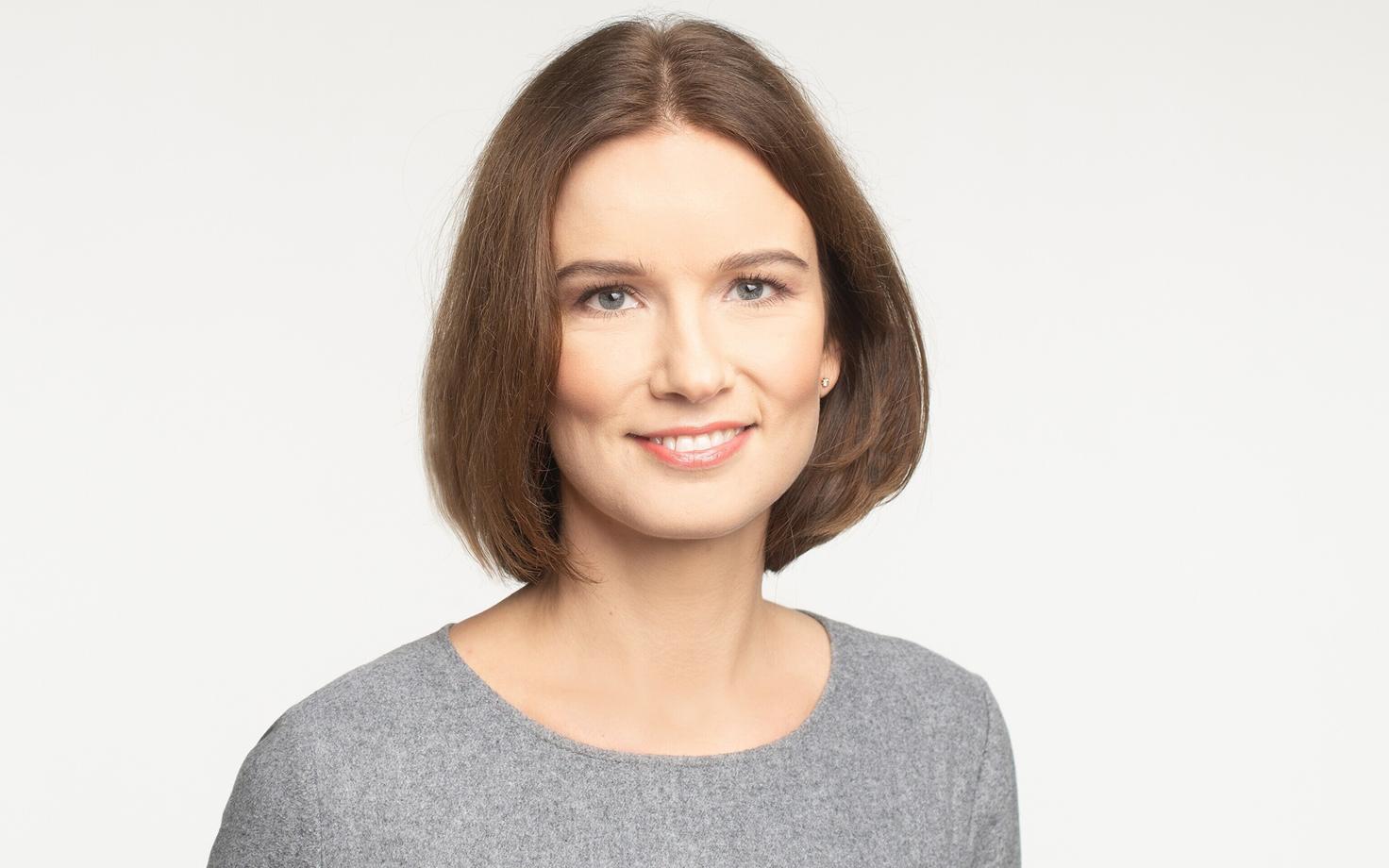
Europe is working to take the lead in the industries of the future, from artificial intelligence to electric vehicles, while also investing in skills, Ave Schank-Lukas writes.
In September 2025, European Commission President Ursula von der Leyen began her annual address by saying: "This must be Europe's independence moment." In other words, in an increasingly unpredictable world, Europe must take greater responsibility for its own future.
Europe has also accomplished a great deal toward that goal over the past year. We are investing more in our security, strengthening our competitiveness, accelerating the transition to clean, homegrown energy and forging new partnerships around the world. Achieving a more independent Europe will take time, but the first effects can already be felt, including in Estonia.
Across Europe, one lesson stands out: We cannot solve problems alone. Whether we are dealing with threats to our security or fundamental values, economic competition and technological change or extreme weather conditions from Spain to Croatia, tackling these challenges requires a strong and united response, as well as solidarity, because they affect us all.
A more competitive Europe
European independence begins with a strong and competitive economy. Over the past year, legislation has been simplified to make it easier for businesses to operate across borders. The "EU Inc" corporate structure will help businesses get started, expand and take advantage of the single market of 450 million consumers. The Savings and Investments Union will help businesses raise capital to develop their operations.
Europe is working to take the lead in the industries of the future, from artificial intelligence to electric vehicles, while also investing in skills. We are reducing energy costs and accelerating the transition to clean, affordable, homegrown energy. As international trade becomes increasingly unpredictable, we must diversify our range of partners and reach new agreements with trusted partners around the world.
Estonia also has many good examples of innovative companies that are strengthening both Europe's economic independence and its overall security with support from the EU budget. The NEO magnet plant built in Narva is unique in Europe, producing magnets needed by strategic sectors including the automotive and renewable energy industries. Jälle Technologies turns used batteries back into a valuable resource, reducing Europe's vulnerability and dependence on third countries.
The AI Leap, which integrates artificial intelligence into the education system, is another area where Estonia can set an example with its ingenuity and forward-looking approach.
A more secure Europe
Europe must take responsibility for its own security. Through SAFE, the EU funding instrument created to strengthen defense capabilities, member states can invest jointly to ensure Europe is better protected. These investments will strengthen the defense industry, close capability gaps and support the creation of skilled jobs.
Estonia will use the €2.1 billion it receives through SAFE primarily to bolster its air defense capabilities, as well as for other defense investments.
Being prepared for potential threats is equally important. With EU support, we are strengthening military mobility infrastructure so that troops and equipment can reach where they are needed as quickly as possible in a crisis. The Eastern Flank Watch and the European Drone Defense Initiative have been launched to enhance Europe's drone technology capabilities.
Europe's security begins in Ukraine. In addition to the more than €220 billion already allocated, the EU will provide a further €90 billion in 2026 and 2027 for Ukraine's civilian and military needs. Twenty-one packages of sanctions against Russia have been adopted and the first negotiating clusters have been opened on Ukraine's path toward EU membership.
Europe's stronger position in the world
Independence means making choices. Europe is working to further strengthen its position in the world and join forces with trusted partners. These partnerships help protect our interests and shape the world around us in line with our values.
Europe must keep its door open. In addition to Ukraine, the first negotiating clusters in the EU enlargement process have also been opened with Moldova, while progress has been made on enlargement toward the Western Balkans. A larger union is stronger economically, politically and strategically and helps prevent gray zones from emerging beyond our borders.
Protecting European values
European independence also means standing by our values and defending them. Several initiatives have been launched across Europe to strengthen democracy, helping to safeguard its foundations and prevent foreign interference.
The proposal for the EU's new long-term budget increases investment in opportunities, skills, innovation and social inclusion, while strengthening protections for the rule of law.
Europe undoubtedly needs to keep pace with developments in the digital world, but we must also take into account the risks that children and young people in particular face online. Here, too, Estonia can set a good example for the rest of Europe. Eesti.ai teaches people how to use artificial intelligence to learn and work more effectively and how to put AI to work for their own benefit and for the economy as a whole.
Although the past year has once again been challenging for Europe, a growing number of Europeans believe we are stronger together. Nearly nine in 10 people, particularly young people, believe European countries should act with greater unity.
We have accomplished a great deal, but if we want to preserve our freedom to decide our own future, we must press ahead with even greater determination. We will hear about Europe's priorities for the coming year on September 16 when President Ursula von der Leyen delivers her 2026 address to the European Parliament.
--
Editor: Marcus Turovski


