Czech defense contractor: We warned our government against Datasel
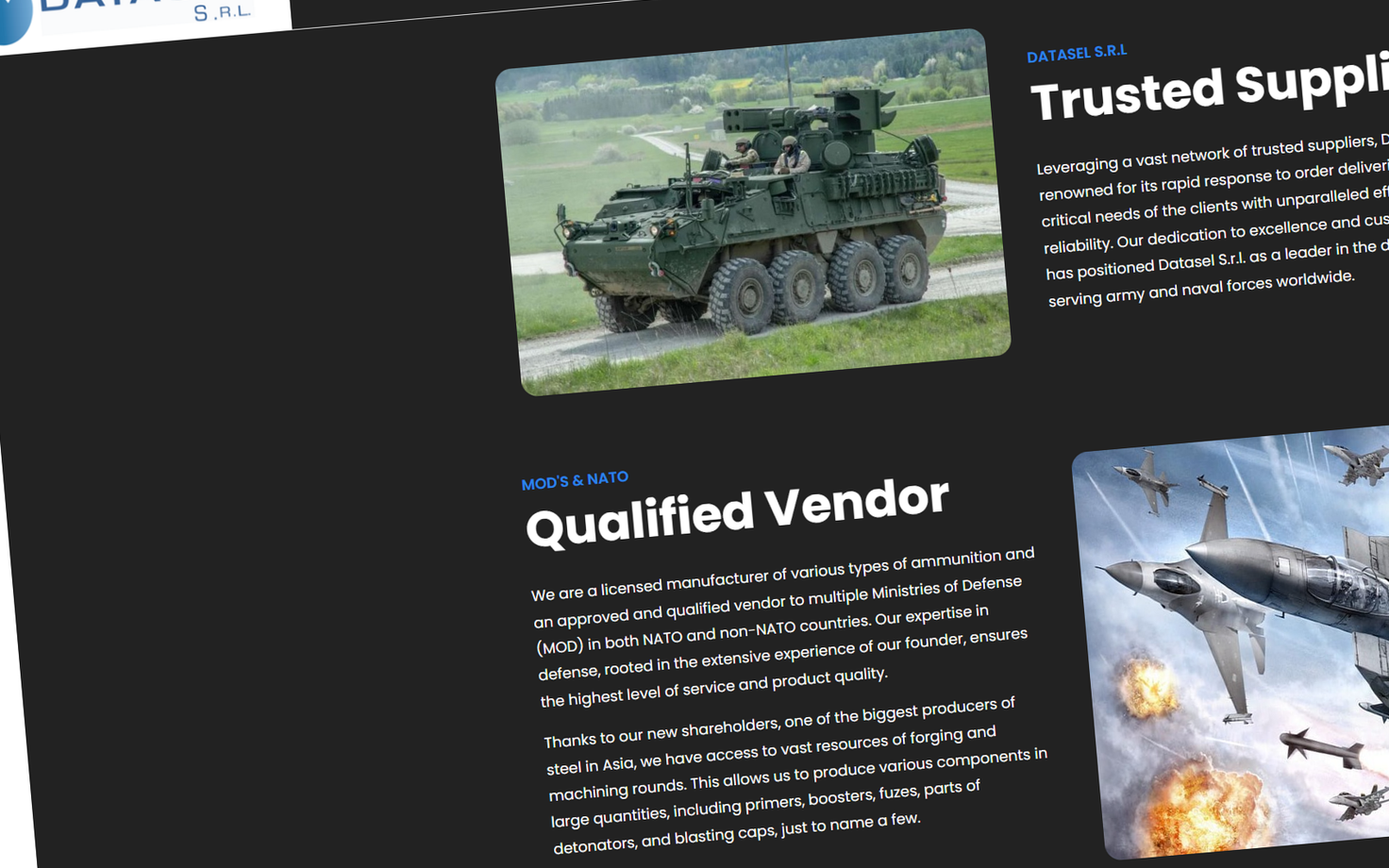
Czech ammunition manufacturer STV Group told Delfi that Indian company Datasel, with which Estonia signed a contract, is a textbook example of a fraudulent company. STV Group has also been defrauded by Datasel and left without the goods it ordered.
STV Group representative Dominik Drda acknowledged that he is closely following the scandal in Estonia because Datasel advertises STV's products on its website and because STV itself has been defrauded by the same Indian company.
"They lie all the time and use every opportunity, however small, to avoid fulfilling their contractual obligations," Drda told Delfi.
In 2024, STV ordered ammunition from Indian company Datasel, but later discovered that it was an intermediary posing as a manufacturer. Datasel managed to deliver only 10 percent of the goods agreed upon and failed to return an advance payment worth millions of euros to STV. To resolve the situation and recover the money it is owed, STV Group is preparing to take Datasel to court. As the Czech government is procuring weapons for Ukraine as part of an international initiative, STV warned the government that Datasel was unreliable.
"We advised them not to let Datasel defraud them and not to enter into any contracts with the company. Fortunately, they listened to us," the STV Group representative said.
Estonia sought to purchase artillery shells for Ukraine and paid a total of €70 million in advance to the Indian company, which had never previously sold a single shell. Instead of complete military materiel, however, Estonia received a succession of new promises, and the dispute is now in court.
In August 2024, the Estonian Center for Defense Investments (RKIK) signed its first sales contract with Datasel and transferred the first €15 million. The money did not come from Estonia's state budget, however, but from the European Peace Facility.
RKIK's current director general, Elmar Vaher, said he would not have signed the contract and that the decision was made by a very small group of people. He said, for example, that RKIK's head of procurement at the time knew nothing about it.
Magnus-Valdemar Saar, who headed RKIK at the time, disputed this account. He acknowledged that purchasing ammunition from third countries carries risks, but said no major decisions were made without the approval of ministry leaders.
--
Editor: Marcus Turovski, Johanna Alvin
Source: Delfi


