Cultural Endowment chief: Casino tax break hopes based on a 'fiction'
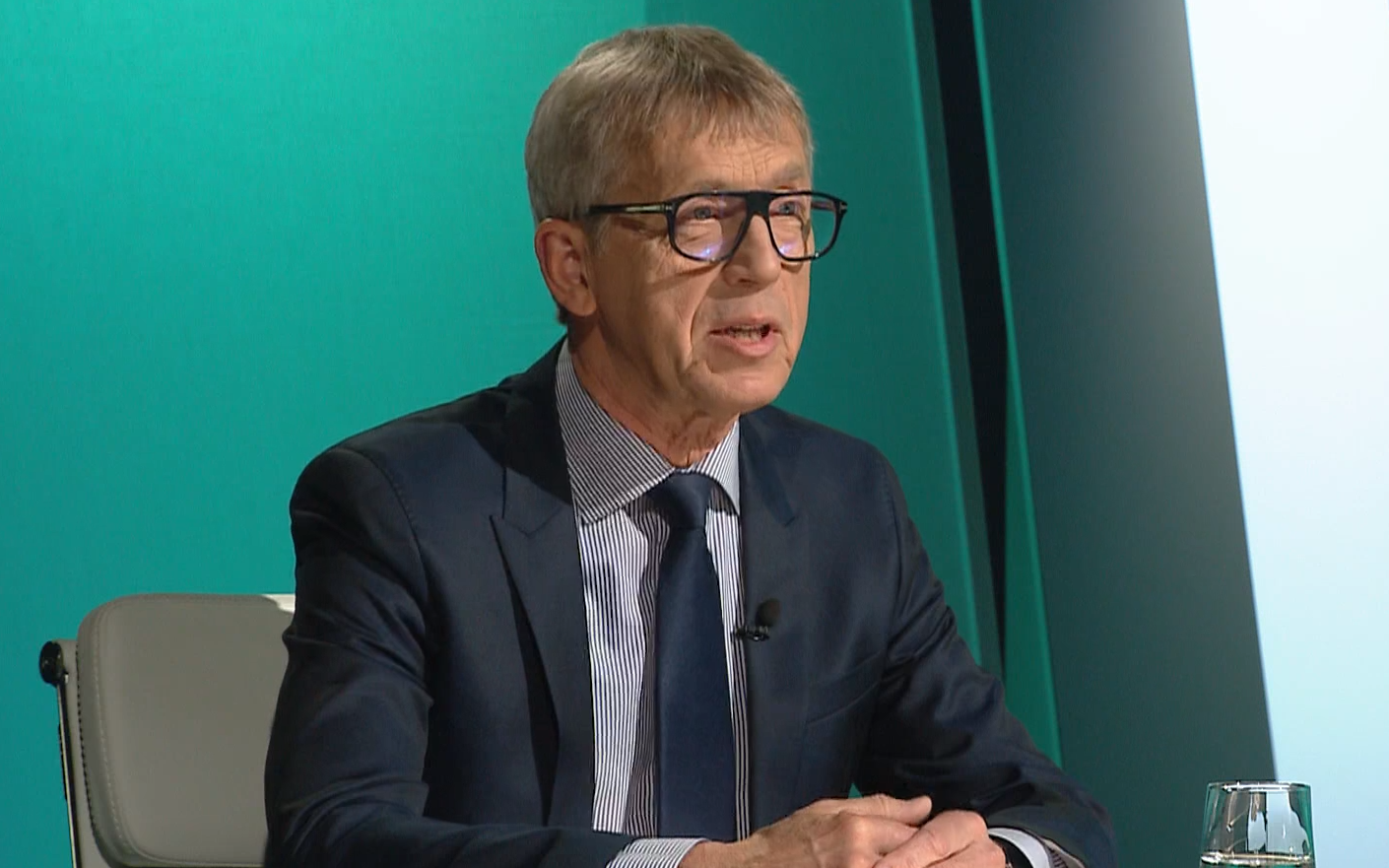
Hopes behind Estonia's online casino tax cut were based on fiction, Cultural Endowment (Kultuurikapital) head Margus Allikmaa said.
Allikmaa told "Esimene stuudio" that information from casino operators was taken on trust more than the Finance Ministry's was, while every day at the lower rate costs culture and the Estonian state as a whole. He has called for the rate to return to its original 7 percent.
The cut, passed last December, is reducing the rate from 6 percent to 4 percent in increments by 2029. However, a hoped-for surge in casino license applications in Estonia which would have offset the tax break has not materialized.
Receipts fell 9.7 percent in the first seven months of 2026, and the Cultural Endowment expects a €6–7 million shortfall next year.
"If we now try to analyze this situation with hindsight, the intention was certainly very good. Estonia needed a large arena, and money was needed to build it. Most likely, in some way, information reached the casino operators that if the tax rate were significantly reduced, a lot of money would come in. And apparently this was seen as one possible solution, one possible way to finance this large arena. And on the strength of that belief, all these decisions were pushed through, even though, when the issue first came up, there were already quite a lot of warning signs that things might not turn out that way," Allikmaa said.
According to Allikmaa, it is very difficult to comment on why information from overseas casino operators came to be trusted more than information from Estonia's own Ministry of Finance.
Allikmaa expressed hope that the legislation will be reversed. "Every day that we continue with this low tax rate, we are losing money, and both the state budget and, in fact, the Cultural Endowment are losing out, because the Cultural Endowment receives 47.8 percent of this revenue. And for every cent less that comes in, half a cent less also goes to the Cultural Endowment. So it would be sensible to first halt the tax reduction now, so that next year there would not be another 0.5 percentage point reduction, but we would initially remain at the current 5.5 percent."
He added the rate could be kept unchanged without applying the six-month notice period, because the tax environment would not change. "And perhaps after that, either in six-month or annual steps, we should still return to the tax rate that was envisaged in the 2023 state budget strategy for the years 2024 to 2027," Allimaa said.
"In 2025, taxable turnover, according to gambling operators' data, or more precisely, according to the Estonian Gaming Association, was €450 million. This is, so to speak, the money wagered by players minus winnings, and what remains is then taxed. And if that was €450 million, then one percentage point is €4.5 million. And from here, everyone can calculate for themselves whether we give up this additional percentage point, or €4.5 million. And if it eventually reaches four percent, then we will have simply taken €10 million or more out of the state budget. Or we raise it back to seven percent and bring that money into the state budget and to culture and sports," he continued.
Regarding Eesti 200 and its MP Tanel Tein, who championed the cut, Allikmaa said they could concede their mistake.
"That's how life is sometimes: things occasionally go wrong, and sometimes you do something and it just doesn't work out. Generally speaking, I respect all these people, and they are intelligent people. An intelligent person admits their mistakes and rectifies them. I think by now everyone has realized that this did not turn out particularly well and that those expectations and hopes were based on some sort of fiction. And I very much hope that this mistake will be corrected," Allikmaa, who was ERR board chair 2007-2017, concluded.
Despite the cut, only two new license applications followed, one of them refused. The tax break applies to online casino operators whose customers are in other countries, rather than those aiming to enter the Estonian market. Such operators usually obtain gaming licenses from various jurisdictions which issue them including Malta and the Isle of Man.
The Cultural Endowment funds major culture related projects which in recent years have included the National Library renovations and the new ERR TV house. Gambling tax revenues including on operators serving customers in Estonia are a major source for cultural funding. Sport also falls under culture's remit, and a new national sports arena is planned for either Tallinn, Tartu or Pärnu.
--
Follow ERR News on Facebook and Twitter and never miss an update!
Editor: Andrew Whyte, Aleksander Krjukov


