Saaremaa wants to improve apartment buildings' crisis preparedness
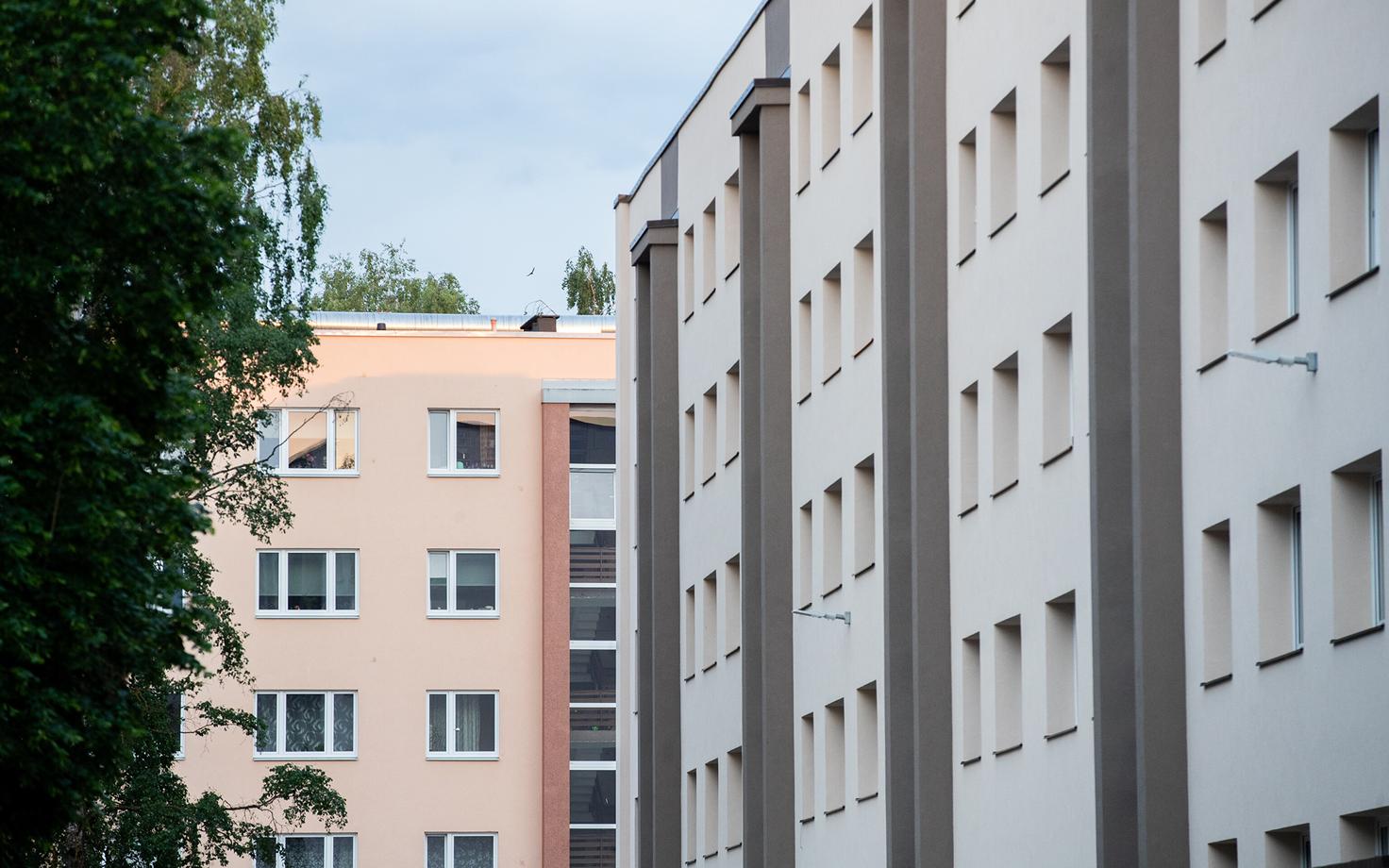
Residents on the island of Saaremaa are continuing to boost crisis preparedness after being hit by several big storms in recent years, and want to make sure heating substations remain operational during power outages.
In recent years, the island has battled several intense storms and found itself isolated from the mainland during the COVID-19 pandemic, during which it briefly had one of the highest infection rates in Europe.
Kuressaare Hospital now has isolation wards with separate entrances, and its medicine stocks are 50 percent larger than before. Following power outages, Elektrilevi invested millions of euros in clearing Saaremaa's power lines and making overhead lines more storm-resistant.
Margus Lindmäe, head of the Saaremaa rescue district, said he could not predict what the next disaster would be, but above all, people must be prepared for entirely new surprises.
Edward Laane, a member of the management board of Kuressaare Hospital, said that an exercise simulated a flood in which the water level rose by nearly 2.5 meters. "A large part of Kuressaare and Nasva was flooded. The hospital remained above water, but it was still a very significant flood," he described.
Laane said Kuressaare Hospital faces a problem because if the sewer system becomes full, water can reach the basements. "We will certainly include a pump and flood barriers in next year's budget so that we are prepared for unexpected situations."
Apartment buildings are considered the most vulnerable in the event of a major crisis. Aare Tiitma, an electrical engineer at heating company Kuressaare Soojus, noted that if the power goes out, an apartment building's heating substation can no longer supply the building with heat. "The pumps and valves stop working," he explained.
The state offered apartment buildings the opportunity to apply for a grant to install such a system.
Tiitma said that around 10 buildings have installed the necessary infrastructure to use a generator for their heating substations. "But there are around 170 residential buildings in Kuressaare connected to district heating," he added.
Ellen Nossenko, a member of the management board of the Tolli põik 2 apartment association, said that last year, when the generator was already in place, there were occasional power outages lasting several hours. "It was winter, and our building remained warm, which means that the heating substation continued to operate," she stated.
Lindmäe, however, said that the power would have to go out during freezing winter weather for people to understand that an apartment building's heating substation cannot deliver heat to the apartments. "People learned what there was to learn from the crises that have occurred," he added.
--
Follow ERR News on Facebook and Twitter and never miss an update!
Editor: Helen Wright, Merilin Leetna


