Estonian government adds €4.8 million to keep buses, trains and ferries running

The government has allocated nearly €4.8 million from its reserves to maintain current bus, train, ferry and flight connections until the end of the year, following fuel price rises.
The extra funding covers the effects of higher diesel and gas prices following the Iran war; natural gas prices have been up by nearly a third in the third quarter of this year.
Without the top up, services would need to have been cut. The decision followed a request from Regional Affairs and Agriculture Minister Hendrik Johannes Terras (Eesti 200). This year's budget set €174.7 million for public transport subsidies, plus about €47 million in ticket revenue, but the ministry said rising fuel costs mean existing funds are not enough to maintain service levels to year end.
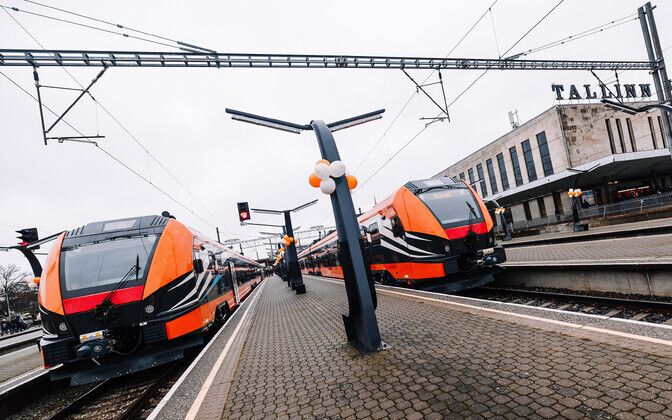
"Over the year we have looked for savings in public transport and cut costs where it affects passengers as little as possible," Terras said, adding t he ministry had reached its limit. "As of now we have reached the point where further cuts would mean directly fewer connections."
Diesel and compressed natural gas prices affect public transport costs most. Oil prices have risen significantly since the Iran war escalated in March, and gas rose 32.6 percent in the third quarter. Fuel price changes feed into service prices through indexation clauses in contracts for county bus and ferry lines, while rail operator Elron's costs are also being affected by higher electricity costs than forecast.
The ministry forecast a funding shortfall of nearly €4.8 million by year end. Without the money, county bus mileage would have been cut by about a million line-kilometers, roughly half of Jõgeva County's annual total. Ferry services to the larger islands would have lost about 3,400 trips, roughly two months of sailings, and the Viljandi rail line about a month.
--
Follow ERR News on Facebook and Twitter and never miss an update!
Editor: Andrew Whyte, Mirjam Mäekivi


