Interior ministry to relax Estonia's surname change restrictions
A draft amendment to the Names Act would remove restrictions on adopting surnames that are either too rare or too common. The Institute of the Estonian Language opposes lifting these restrictions.
Under the current system, people cannot adopt a surname that is too rare, meaning one held by fewer than 20 people. They also cannot adopt a surname that is too common, meaning one held by more than 500 people. The restrictions do not apply, however, when someone gets married or takes an ancestor's surname.
The new Names Act would eliminate restrictions on adopting surnames that are either too rare or too common.
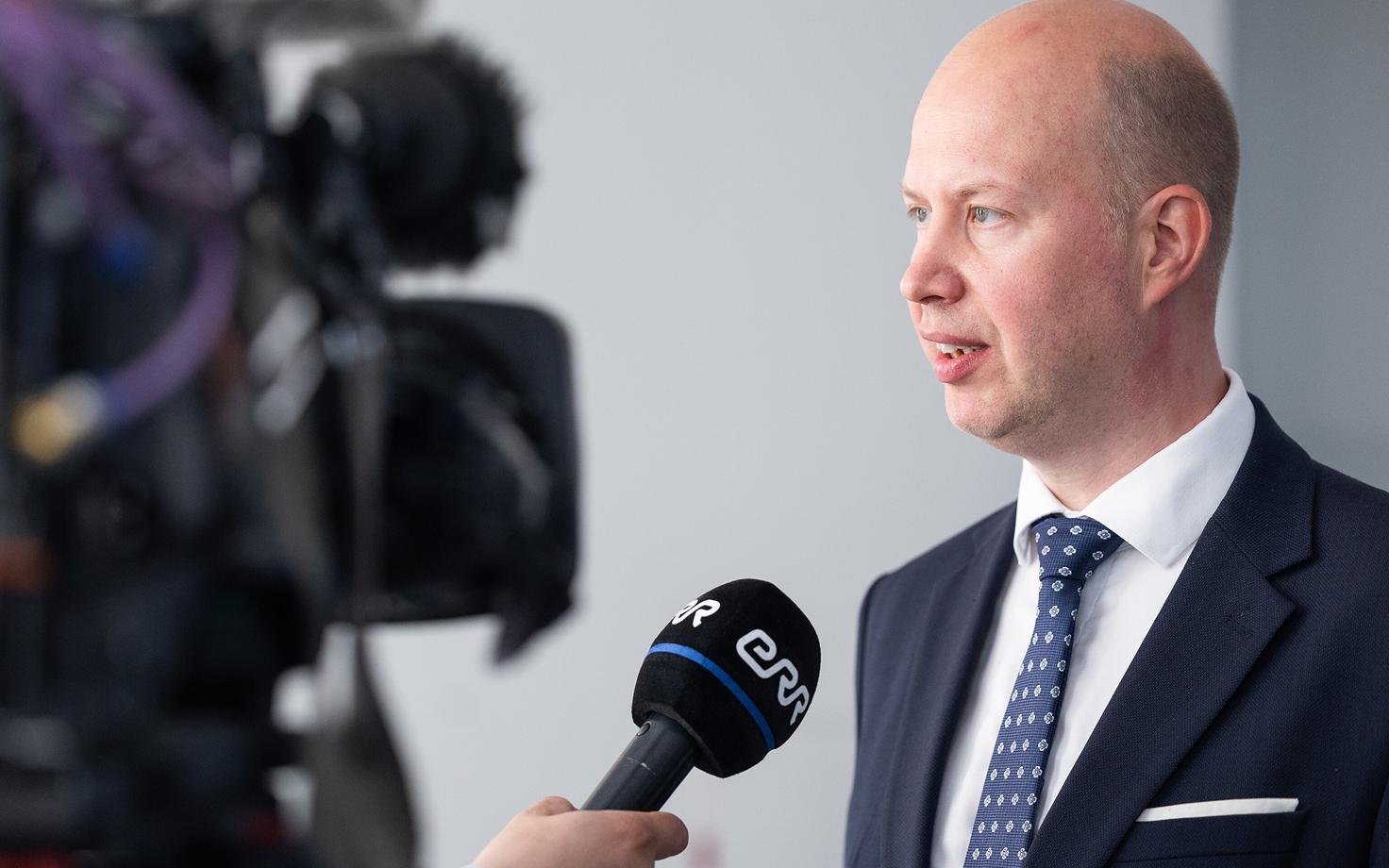
"We have opted to ease the restrictions. People will be able to decide for themselves, when choosing a surname freely, whether they want one that is very, very common or one that is moderately common or rare in Estonia. This was purely a political choice," Interior Minister Igor Taro explained.
The Institute of the Estonian Language (EKI) opposes lifting the restrictions. Fred Puss, an onomastics expert at EKI, said people already have a fairly wide selection of ancestral surnames to choose from.
"That gives everyone a choice of around 100 names, provided they have Estonian ancestors, of course. That's quite a large selection of names that are not subject to any restrictions. People can also choose an entirely new name, which is not subject to any restrictions either," Puss said.
"Taking a very rare surname, for example, one held by just five people or even fewer, when the person wishing to adopt it has no connection to those people, seems somewhat unacceptable to the Institute of the Estonian Language or at least not a particularly good choice," Puss added.
Under the bill, there would also be no restrictions on adopting very common surnames.
"Allowing people to adopt very common surnames is a matter of political choice, concerning whether it should be easier to distinguish one person from another. Nowadays, however, personal identification codes serve that purpose in official procedures, so the prevalence of a surname should not be a factor," the researcher said.
Puss noted that different countries take different approaches. "In Sweden and Denmark, for example, it's actually the opposite: Of existing surnames, people can only adopt those held by at least 2,000 people. So only very common surnames can be adopted, not less common ones."
According to Puss, Estonia's pool of surnames has been enriched considerably over the course of history and the fact that many surnames have only a small number of bearers is a distinctive feature of Estonia that should be preserved. Taro, however, believes the change should not undermine the diversity of surnames.
"It's certainly a very good argument that we should preserve the diversity of surnames and that people should be identifiable by name to avoid confusion. At the same time, freedom of choice doesn't actually restrict that diversity. The Estonian language offers excellent opportunities to invent and create all kinds of surnames by combining words," Taro explained.
The most common surnames in Estonia are Tamm, Ivanov(a), Saar, Mägi and Sepp.
--
Editor: Marcus Turovski, Mirjam Mäekivi


