Kiisa reserve power plant's yearly maintenance cost almost €2 million
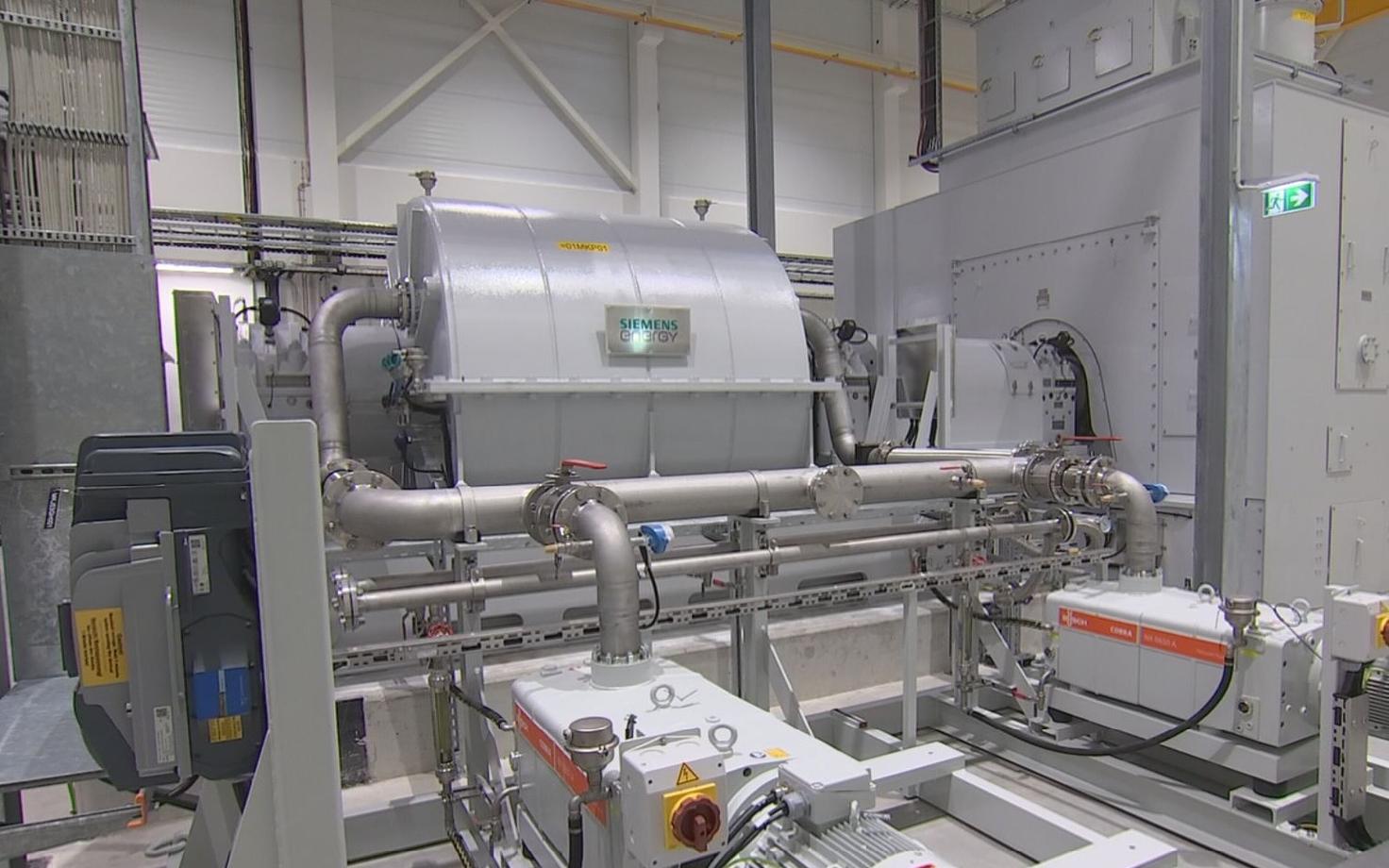
The Kiisa emergency power plant, which currently also participates in the frequency reserve market under a special permit, incurred €1.8 million in fixed costs last year.
Last week, Estonia's transmission system operator Elering announced that it was beginning preparations to lease out its two gas-fired power plants in Kiisa. The move follows a new directive from Minister of Energy and the Environment Erkki Keldo as the government had backed a proposal by then-Minister Andres Sutt last April to begin preparations for the sale of the Kiisa power plant.
The Kiisa plant's value to the state and Elering will diminish in a few years, as an exemption granted by the European Union allowing the plant to participate in the Baltic frequency reserve market when needed expires in 2028. After that, its use would be restricted to its original purpose: operating only in the event of grid disruptions or insufficient generating capacity.
However, maintaining the two gas-fired power plants, which have a combined capacity of 250 megawatts, as emergency backup facilities is not cheap. Operating costs totaled €1.8 million last year, with the same amount projected for this year, Elering communications specialist Kätlin Klemmer told ERR.
Elering covers the plant's fixed costs through revenue from its regulated operations, she added.
However, allowing the Kiisa plant to participate in the frequency reserve market is not intended to cover its fixed costs, Klemmer noted.
"Including Kiisa in the frequency reserves is not primarily a measure to cover the plant's maintenance costs. Its main economic benefit lies in costs avoided by end consumers: Elering has had to purchase less reserve capacity from the market by an amount equivalent to Kiisa's capacity, thereby reducing the cost of balancing capacity on consumers' electricity bills," she said.
Market participants have been critical of the Kiisa plant's participation in the frequency reserve market, pointing out that Elering is effectively purchasing a service from itself.
The cost of purchasing reserves from the market is borne by electricity consumers. This year, a balancing capacity fee of €3.73 per megawatt-hour was added to electricity bills, which is expected to cost an average household consuming 250 kilowatt-hours per month an additional €1.20. Previously, Elering covered the cost of purchasing reserve capacity itself, using congestion revenue.
If the two Kiisa plants are leased out, the question arises of how Elering will use the money saved on maintenance costs and the revenue generated from leasing them. Klemmer said that since the precise terms of the lease have yet to be determined, any changes in maintenance costs will depend on those terms.
She added that the costs associated with the Kiisa power plant included in Elering's network tariffs would be reduced by the amount of rental income received.
However, the lessee of the Kiisa plants would not automatically become eligible for the subsidies currently associated with keeping the plants in reserve, Klemmer noted.
"Eligibility to participate in any potential future support measures will depend on the specific terms of those measures and it is not possible to assess this with certainty at present," she said.
The maintenance costs of the Kiisa plants pale in comparison with those of the oil shale-fired power plants owned by Eesti Energia, which run into tens of millions of euros. While Eesti Energia previously covered these costs itself, they are now also borne by electricity consumers through a security of supply fee. The fee, which was added to electricity bills in January, stands at €7.58 per megawatt-hour this year, excluding VAT.
Elering and Eesti Energia signed an agreement last year to ensure the ability to operate the electricity system independently, providing the basis for this support. Under the agreement, maintaining the required 1,036 megawatts of generating capacity costs a maximum of €59.5 million per year.
--
Editor: Marcus Turovski


