Therapist: No skills needed to benefit from creative arts therapy
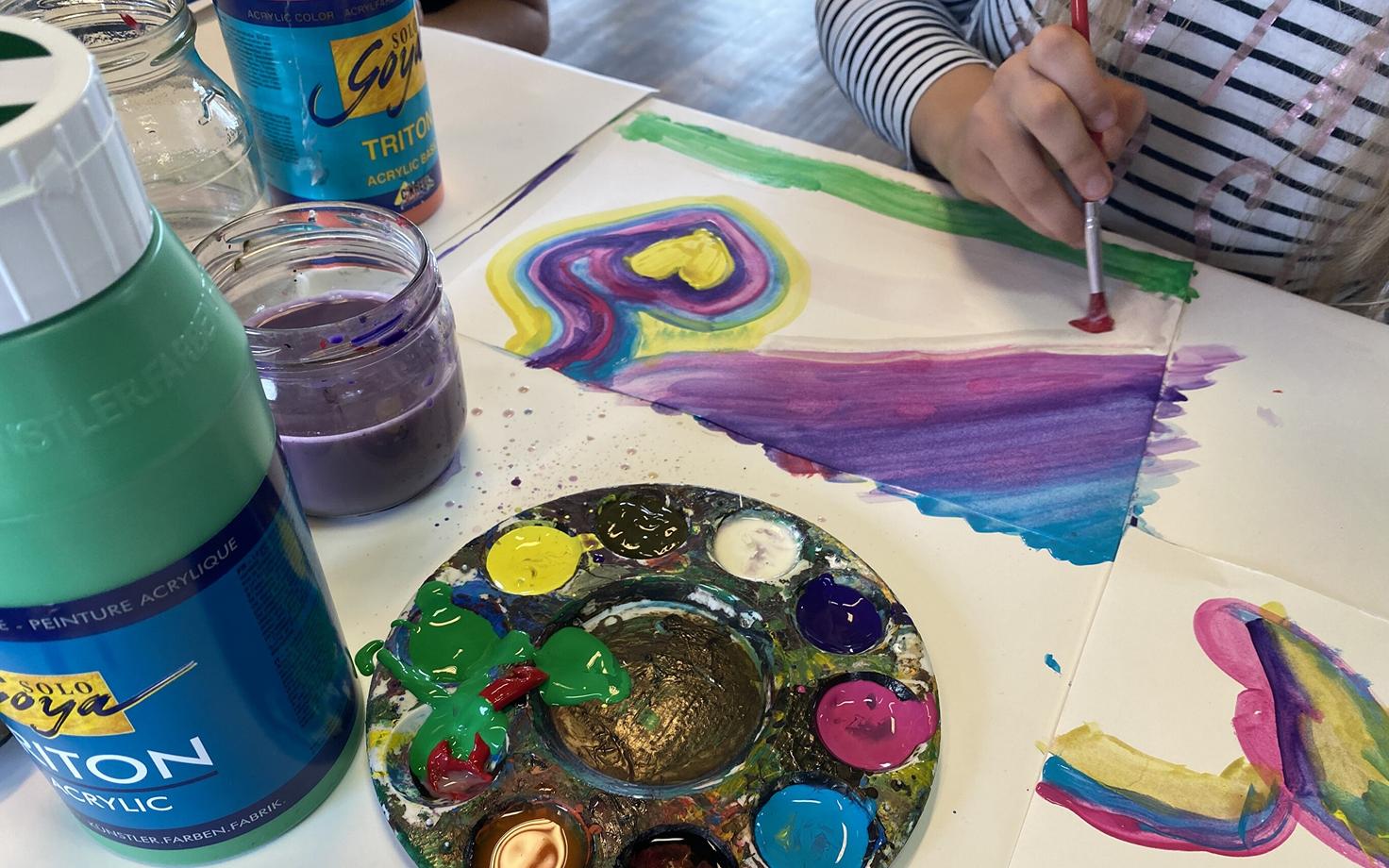
Creative arts therapy can help people of all ages express emotions and memories beyond words, with no artistic skills required, Estonian therapist Epp Sussen says.
Sussen, a board member for the Estonian Society of Creative Arts Therapies (ELTÜ), said people are used to talking, but memories and experiences often involve colors, sounds and sensory impressions that can't easily be put into words.
She said visual art therapy, for example, can benefit people of all ages, from children to elderly adults, and help with everything from personal reflection and career decisions to depression or recovery from something.
"There are so many different possibilities and very few contraindications," she added.
Fellow creative arts therapist Katre Eesmaa said people are often reluctant to try therapy because they believe they can't draw, for example. However, no form of creative arts therapy requires participants to know how to draw, paint, dance or play a musical instrument.
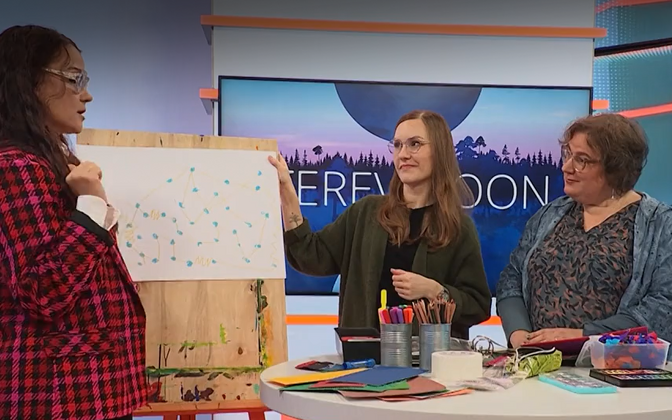
Eesmaa said there is a simple exercise that can help take pressure off facing a blank sheet of paper. "You draw 30 to 40 dots all over the paper, then connect them with lines," she explained.
Working at an easel can also allow people to step back and view their work from a distance. With abstract images, they can even turn the paper upside down to see what shapes or patterns emerge.
Once someone finds a suitable shape or image, then they can start to color it.
No talking necessary either
Sussen emphasized that the picture doesn't have to look good.
"People often get hung up on having to make something beautiful, but what matters more is the process," she noted, adding that even simply the act of squeezing and splattering paint can sometimes help.
"Plenty of young folks don't want to talk in therapy; they'd rather sit quietly and work on their drawing," Sussen said. "Drawing and painting can help them let out some of the emotions they're holding inside."
She explained that creative arts therapy can help people tap into different inner resources. While talking engages the rational mind, letting go and trusting the creative process rather than getting stuck on seeking the "right" color, for example, can help people discover something new within themselves.
The ELTÜ board member also stressed that creative arts therapists in Estonia don't make diagnoses.
"If someone draws a completely black picture, we're not diagnosing them with depression," Sussen said. "They can tell us themselves what the color black there means to them."
--
Editor: Aili Vahtla


