Foreign ministry: The state cannot directly control Silmet's business decisions
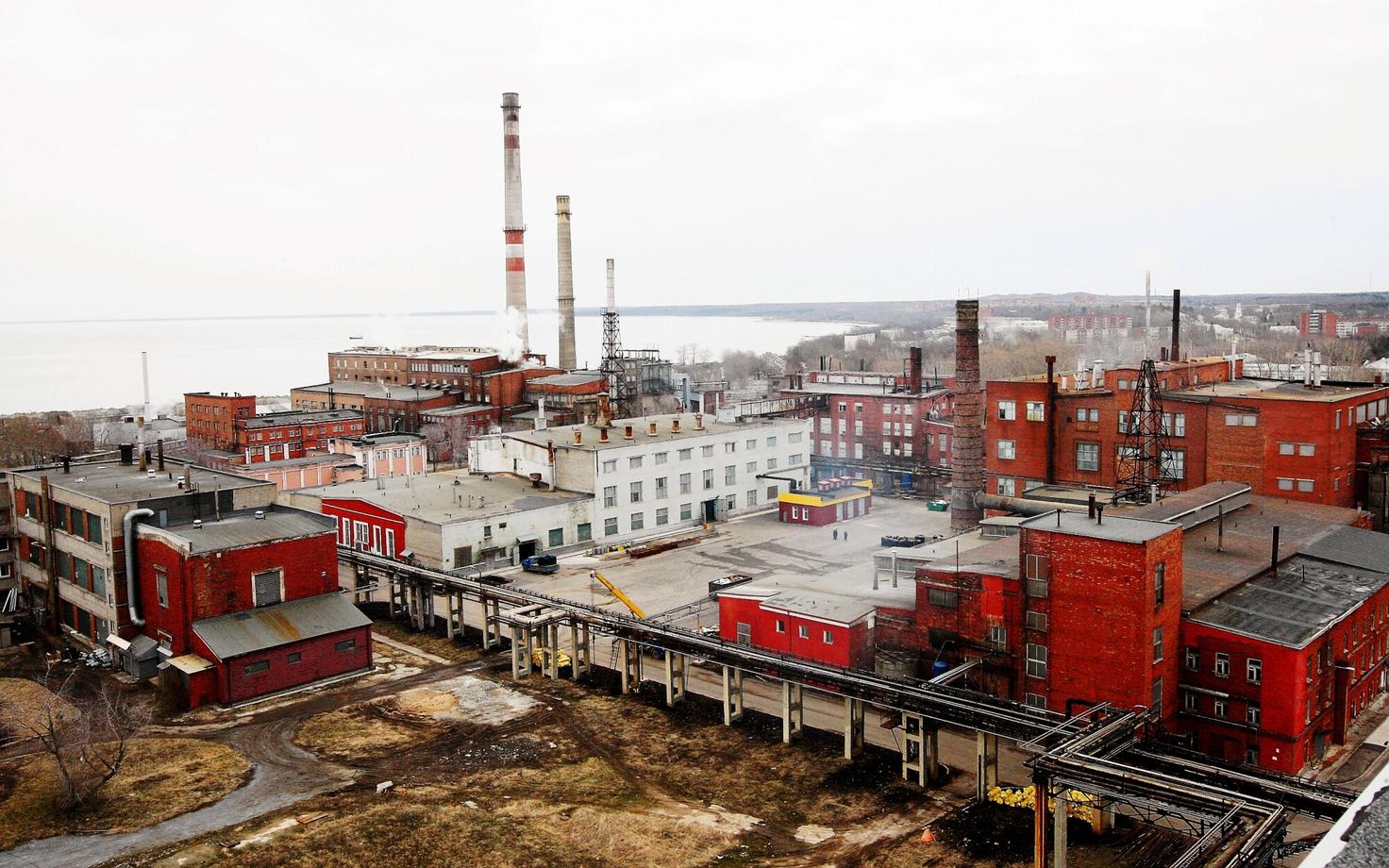
Although the Ministry of Foreign Affairs says it has pressured Silmet to stop using Russian raw materials, the company has yet to do so.
Foreign Minister Margus Tsahkna (Eesti 200) said the ministry has pressured chemical and metallurgical manufacturer Silmet to stop using Russian raw materials. The minister has now promised to set a deadline for the company to end its use of Russian raw materials. Tsahkna believes the company could stop using Russian raw materials as early as the beginning of next year.
ERR asked the Ministry of Foreign Affairs what specific pressure it had exerted, why the company had not complied and whether the ministry or the minister bears responsibility for the fact that, in the fifth year of the war in Ukraine, an Estonian company continues to purchase raw materials from Russia.
In its response, the Ministry of Foreign Affairs noted that the company's dependence on Russian raw materials has been publicly known for a long time. According to the ministry, Estonian media were reporting on the issue as early as 1995.
"However, dependence on Russian raw materials is not only a business risk but also a strategic vulnerability that Russia could exploit for its own benefit. It is therefore important to eliminate this dependence as quickly as possible," the ministry emphasized.
The ministry said it maintains regular contact with Estonian companies, including Silmet, stressing the need to find alternatives to Russian raw materials and end dependence on them.
"Silmet is a privately owned, publicly traded company that belongs to an international group based in Canada. The state cannot directly influence the company's business decisions or continuously monitor the details of its operations. Nor can the state independently assess when and to what extent the company has worked to identify alternative sources of raw materials," the ministry said.
At the same time, the ministry emphasized that it has consistently worked to support Silmet in identifying and establishing supply channels for raw materials from outside Russia. "To this end, we have, among other things, cooperated with the European Commission, which is responsible for the European Union's common trade policy."
According to the ministry, an important step in this direction was taken on October 9 when the European Commission selected Silmet's development project, Silmet 2.0, as one of 46 new EU strategic projects. The project aims to modernize the plant's production capabilities, enable the use of alternative raw material sources and reduce European industry's dependence on Russia.
The ministry noted that strategic project status will put Silmet in a better position to carry out its development plans and reduce its dependence on Russian raw materials.
According to the ministry's information, potentially suitable sources of raw materials for Silmet can be found in Latin America, Asia and Africa. The company itself is best placed to assess the technical suitability of specific raw material sources, taking into account the particular requirements of its production processes and technology.
"Silmet itself should explain to the public as soon as possible how it intends to end its dependence on Russian raw materials," the ministry emphasized.
The ministry also noted that growing international competition is making it more difficult to find alternative supply channels. Major industrialized countries are actively competing for limited raw material resources, affecting both their availability and supply opportunities.
"Estonia's goal remains to support Silmet's efforts to diversify its raw material supplies and reduce its dependence on Russian raw materials. Achieving this goal will require investment and technological changes by the company itself, as well as cooperation at the European Union level to improve access to alternative supply channels and strengthen Europe's security of supply for strategic raw materials," the ministry said.
ERR News reported on Thursday that a Russian company supplying rare earths to Estonia's Silmet was removed from the European Union's proposed 22nd sanctions package at Estonia's request.
--
Editor: Valner Väino, Marcus Turovski