Minister: We have been pressuring Silmet to cut Russian raw material reliance
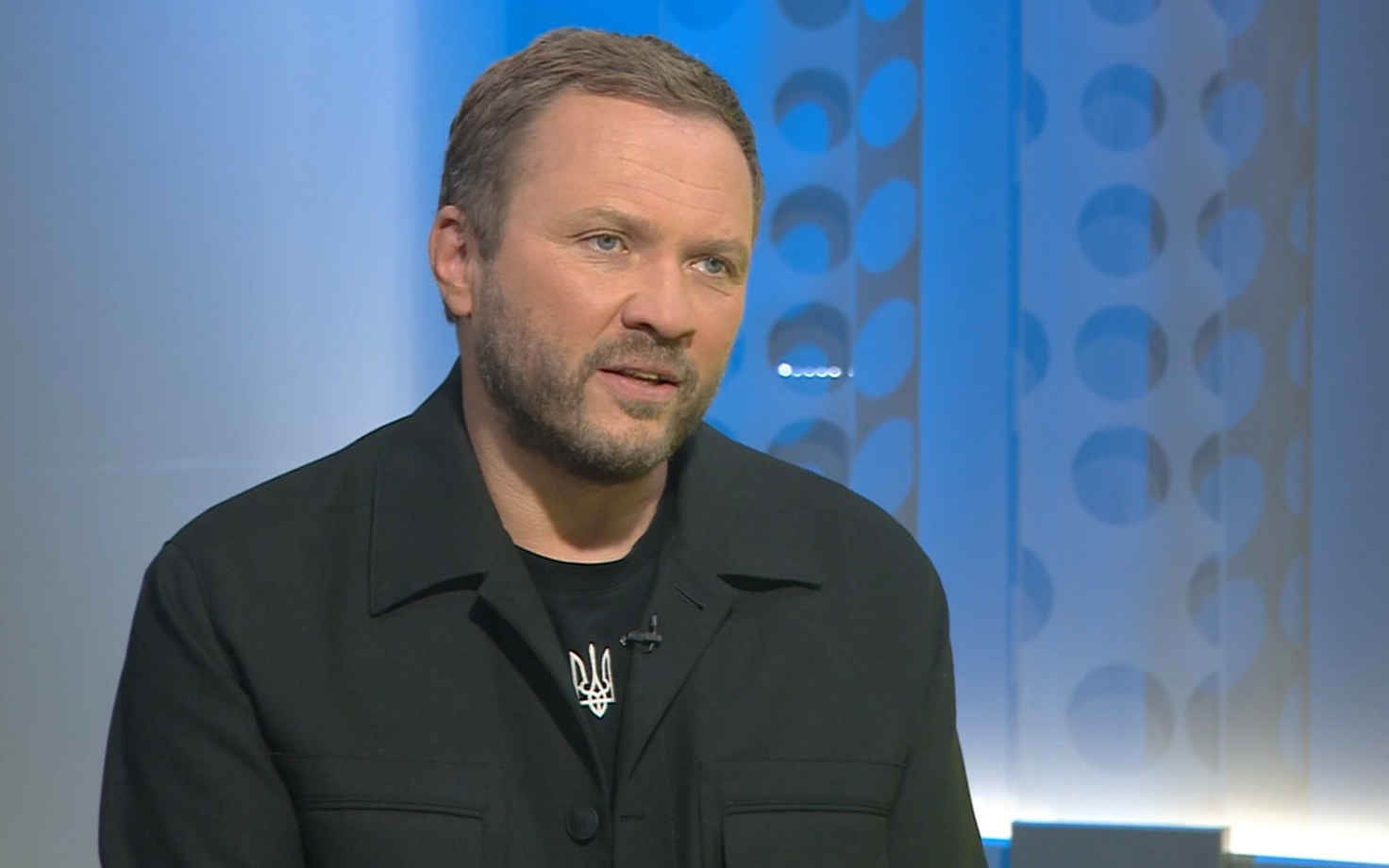
Foreign Minister Margus Tsahkna says an Estonian rare earth processing firm must set a deadline for ending its use of Russian raw materials, suggesting early next year as a target.
Tsahkna said Estonia has been pressuring the Sillamäe-based NPM Silmet and its owner Neo Group to find alternative suppliers, and that a deadline must now be set.
The European Commission on Friday selected Silmet 2.0 as one of 46 new strategic projects aimed at securing the EU's supply of critical raw materials; Estonia this week pushed to exclude a Russian supplier to NPM Silmet from the EU's proposed 22nd sanctions package.
Tsahkna said the project must come with a firm deadline for ending the company's reliance on Russian raw materials.
"We will work with the European Commission to set a clear deadline for NPM Silmet to stop using Russian raw materials," he told told "Aktuaalne kaamera," adding: "We cannot allow an industry critical to Europe's security to remain dependent on supplies from an aggressor state."
Asked what that deadline might be, Tsahkna said: "We're talking, I think, optimistically about the beginning of next year, next year, which is a pretty fast pace."
Tsahkna confirmed the Foreign Ministry and the government have been pressuring Silmet and Neo Group. "There has actually been pressure, and the Ministry of Foreign Affairs and the Estonian government have also been cooperating more broadly with both Silmet and Neo Group," he went on.
He said attempts had been made to find new supply sources, including in Brazil, but that so far it had not been possible to end the dependence on Russia. The supply chain runs through the Solikamsk plant, owned by the Russian state nuclear corporation Rosatom.
Tsahkna said Estonia had requested an exemption for the Rosatom-linked supply chain. "We demanded that this supply chain not be interrupted and that Silmet not cease its activities and that the entire European technology industry not be put under attack through this," he said. He added that Estonia has also supported sanctioning Rosatom, but does not see appetite for it in Europe.
Prime Minister Kristen Michal has said the decision is not in line with Estonian values. Asked about this, Tsahkna said the two issues should be separated: pressure on Russia through sanctions, and standing up for Estonian industry.
"I've talked a lot with the Prime Minister about this issue, and we agree that these steps need to be taken, no matter how unpleasant it is," Tsahkna said.
Ukraine has already sanctioned the factory. Tsahkna said he would meet Ukrainian Foreign Minister Andriy Sybiha on Monday.
Earlier this week, Estonia successfully pushed to exclude a Russian company supplying rare earth metals to NPM Silmet from the EU's proposed 22nd sanctions package.
Background:
The European Commission on Friday selected Silmet 2.0 as one of 46 new strategic projects aimed at securing the EU's supply of critical raw materials and reducing reliance on third countries. NPM Silmet processes rare earth metals at its Sillamäe plant for use in electronics, medicine, automotive, aviation and defense industries across the EU.
Earlier this week, Estonia pushed to exclude a Russian company supplying rare earth metals to NPM Silmet from the EU's proposed 22nd sanctions package, which is awaiting formal approval. Estonia's representation in Brussels confirmed the request, saying the company supplies NPM Silmet with materials of strategic importance to Europe, and that Estonia will reconsider adding the company and an individual associated with it to the sanctions list next year.
EU ambassadors agreed on October 7 to sanctions targeting 743 individuals and 826 companies linked to Russia's military-industrial complex. The package awaits final approval by member states' foreign ministers and is expected to take effect in the coming days.
--
Follow ERR News on Facebook and Twitter and never miss an update!
Editor: Andrew Whyte