Justice minister vows new gender equality bill will reach vote before elections
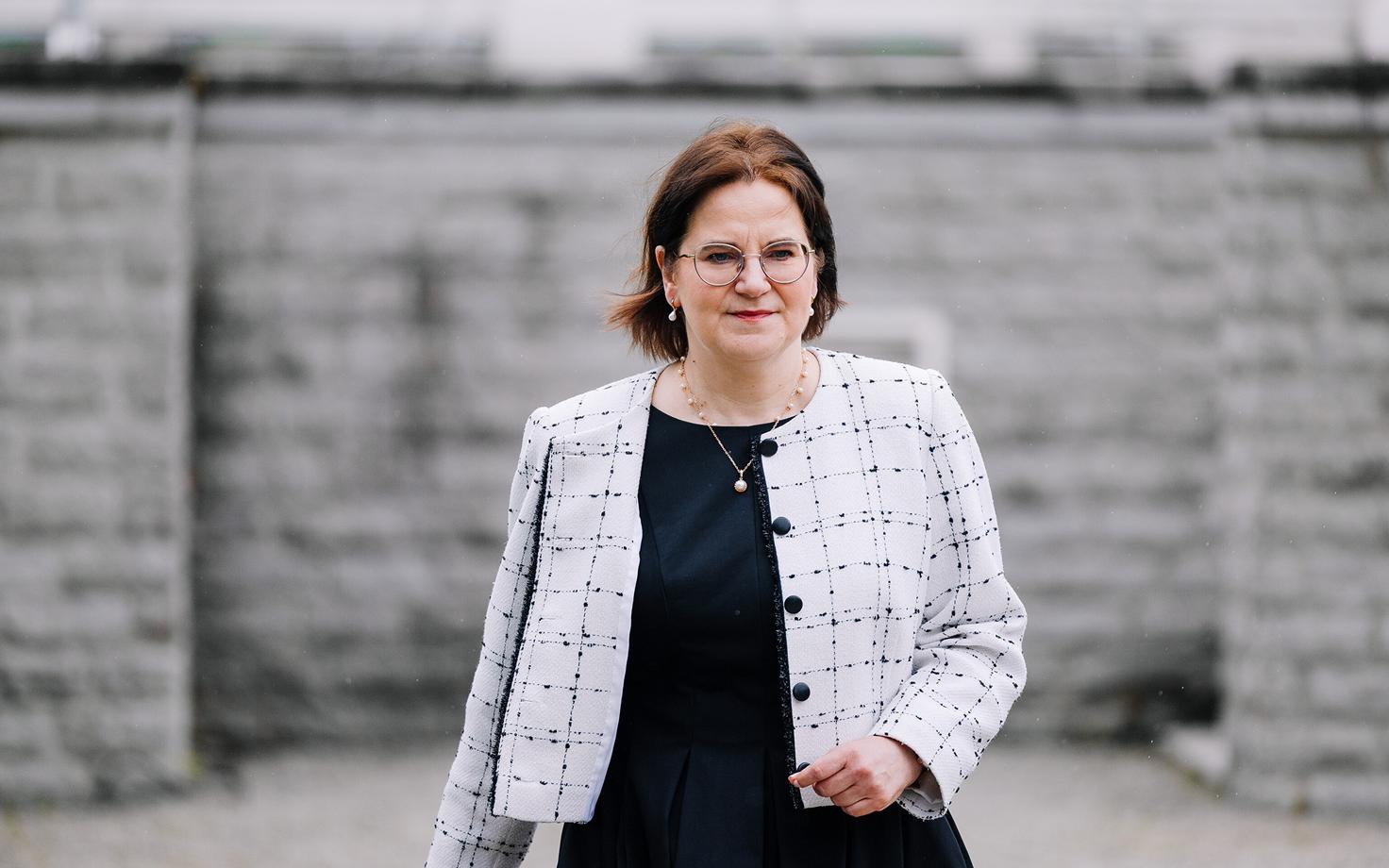
Justice Minister Liisa Pakosta says the long‑stalled gender equality and equal opportunities bill will be passed during the current Riigikogu term, though she has not yet explained the draft's contents or the timeline for its processing.
"We hope to complete the processing of the equal opportunities bill by the end of this Riigikogu term," Pakosta said.
She is not worried that time may be tight — under normal procedure, the bill should reach the Riigikogu by November at the latest.
"There is nothing unusual about this. It is completely normal that things are in progress and some take a bit longer. That is the case with many bills," she said.
Pakosta said it is not actually a problem that the gender equality and equal opportunities bill has remained unpassed for so long. She said the Constitution already provides protection that covers the bill's provisions.
"This bill changes almost nothing in people's lives because paragraph 12 of the Constitution is directly applicable," she said.
"Courts, the chancellor of justice and everyone else work on the basis of that constitutional paragraph, which guarantees protection for all people across all characteristics in all areas of life. Estonians are very well protected against discrimination because we have a very good Constitution. The changes achieved with this bill are extremely nuanced," Pakosta said.
She did not agree to discuss the content of the bill, including how the current draft differs from the version she withdrew from the process in 2024.
"Once again, the bill is still being drafted," she said.
When Pakosta halted the processing of the gender equality and equal opportunities bill prepared at the Ministry of Economic Affairs in May 2024, the Ministry of Justice commissioned a new perspective from the private sector — from the law firm Sorainen — without informing the NGOs and the office of the equal treatment commissioner who had worked on the earlier draft.
Although Pakosta insisted Sorainen was not commissioned to write a bill, as media reported at the time based on ministry information, but only preparatory materials, she still chose to keep those materials from the public. She also did not show the newly completed analysis to equal treatment commissioner Christian Veske, who requested it, or to the equality policy department at the Ministry of Economic Affairs.
As before, Pakosta justified the secrecy by citing the need to avoid confusion. "There was just a major public confusion over the statute of limitations for sexual crimes against children, which shows how easily confusion can arise. That is exactly why the law states that preparatory materials are not always public. In this case, the Data Protection Inspectorate has confirmed that," Pakosta said.

Commissioner skeptical about timeline
Although Pakosta said Estonians are currently well protected against discrimination, equal opportunities commissioner Christian Veske wrote to the minister in summer with a series of proposals, including a recommendation to complete the processing of the equal opportunities bill and ensure equal legal protection for everyone.
In her autumn response, Pakosta wrote that the ministry considers the issues addressed in the bill very important and added that the bill concerns socially significant and sensitive matters that require thorough consideration of different rights, interests and positions. "We consider it important that these positions be taken into account in shaping equal opportunities policy," she wrote.
Commenting on Pakosta's response to ERR, Veske said it seemed rather vague. Based on it, he finds it hard to believe the bill will be processed during the current Riigikogu term. "Especially considering that none of the relevant parties have received any substantive information about the bill," Veske said.
Because withdrawing the earlier bill angered the NGOs and the equal treatment commissioner's office that had worked on it, Pakosta repeatedly promised at the time that she would definitely submit the new bill for consultation, where all stakeholders could give feedback. "I confirm that we are ready for full cooperation with the relevant state agencies and advocacy organizations," Pakosta said.
Veske, who has had no information about the bill for the past two years, also has no knowledge of any planned stakeholder consultation. He hopes it will still happen. "It would be very poor legislative practice if the ministry wanted to skip the consultation round. There may be some legal obstacles to skipping it, but since this is a Ministry of Justice bill, they likely know that better," Veske said.
In response to ERR's question about whether consultation will take place, Pakosta said it is still planned. She did not say when.
Justice Minister Liisa Pakosta decided at the end of 2024 to halt and not send for official government coordination the gender equality and equal opportunities bill prepared at the Ministry of Economic Affairs.
The bill aimed to merge two existing laws — the Gender Equality Act and the Equal Treatment Act — into one comprehensive legal act. It sought to resolve a long‑standing legal gap in Estonia where protection against discrimination is not equal across all characteristics. Pakosta said she halted the bill because of extensive legal criticism and conflicting feedback.
--
Editor: Mari Peegel, Argo Ideon




