'Border tourism' grows in southeast Estonia as visitors seek out fortifications
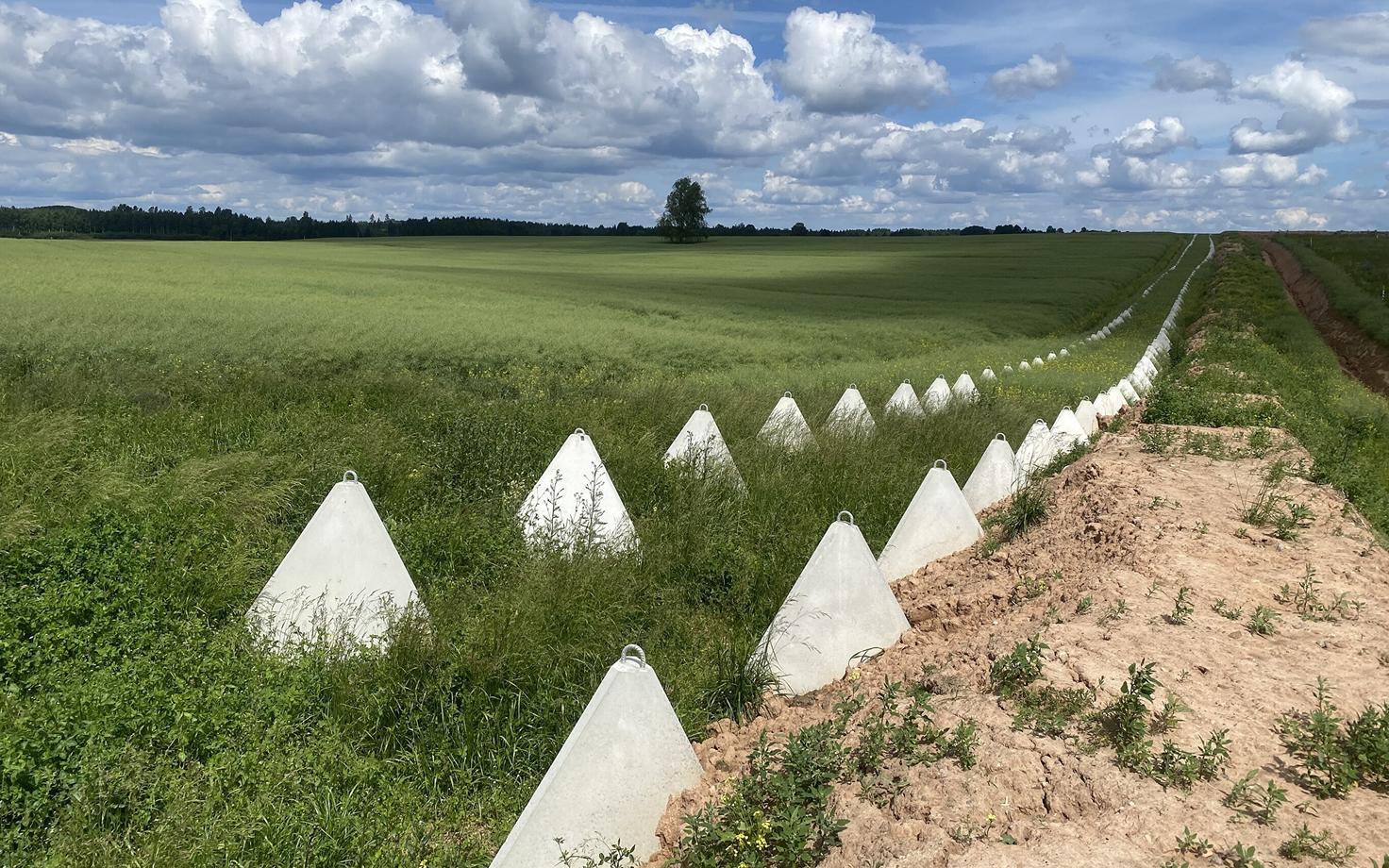
Frontier areas in Võru County in southeastern Estonia have seen an uptick in 'border tourism,' including from overseas visitors
The newly installed border infrastructure, including the Baltic Defense Line fortifications and its "dragon's teeth" anti-tank obstacles, is on the bucket list for visitors.
Setomaa, a historically distinct region in the far southeast of Estonia, was already on the tourism map, but up to now most visitors had wanted to sample the culture there.
They have long been accommodated by local tour operators, but many also want to see the newly upgraded border infrastructure.
Helen Alumäe, a local guide and tour operator, said she had seen a spike in interest in these aspects recently.
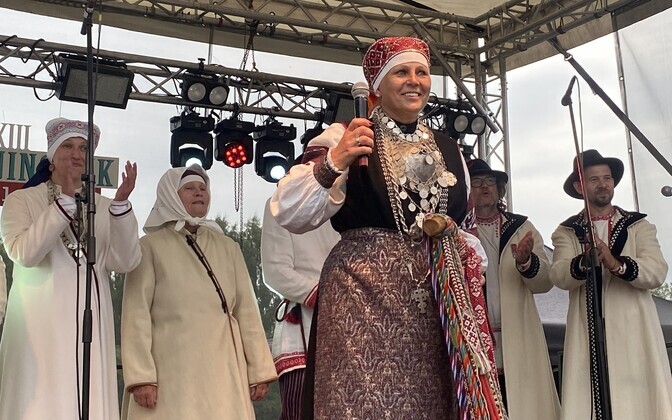
"This summer in particular, I have had to switch my tour itinerary around a little. People's interest in seeing this particular fence is so great. We have gone to look at the fence from a respectful distance, as I know how close we are permitted to go. We have also talked about the defensive ditches and shown them the dragon's teeth," Alumäe said.
Close to the village of Meremäe, just a couple of kilometers from the border with Russia, delaying ditches and a defensive embankment have been excavated on privately-owned land. The zone is increasingly turning into a tourist attraction which visitors from abroad in particular want to see with their own eyes.
"People come and ask where they could go to see these defensive ditches, whether they can go near the border and whether it is possible to see this infrastructure. We do get those questions, and I know that some people have gone to take a look for themselves. There is no getting around it, and I believe it is an attraction today. Once Seitsmemägi is completed, a lot of people will want to go there as well," said Kaidi Kerdt, owner of the nearby Kirsi farm.
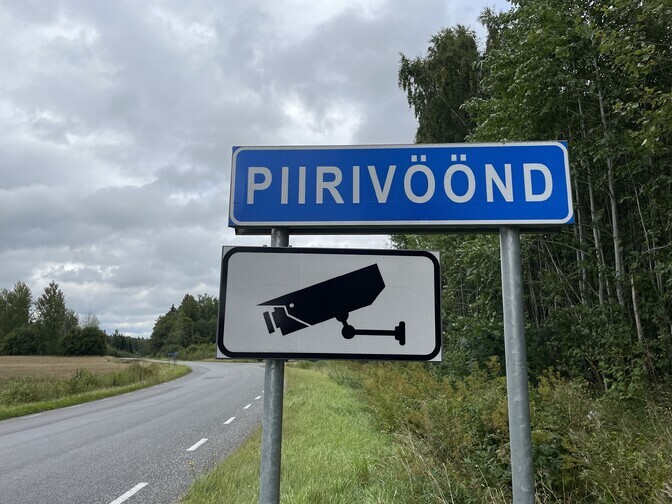
Locals also often have to reassure visitors, explaining that it is safe to live near the border as there are plenty of civilian border personnel and police working in the region.
"International tourists, let's say, ask a lot whether it really is safe here by the border, how we feel and whether we are afraid of the threat of war, as it were. Those questions do come up. Estonian tourists, on the other hand, are not particularly deterred by it," Kerdt noted.
One famous quirk of the region was the so-called Saatse Boot – a roughly 400-meter stretch of road which traversed Russian territory. However, with the changed security situation and an incident last fall where Russian personnel were seen on the "boot's" road, a bypass is nearing completion, while the original "boot" is now closed.
You can read more about the Baltic Defense Line here.
--
Follow ERR News on Facebook and Twitter and never miss an update!
Editor: Andrew Whyte, Johanna Alvin
Source: 'Aktuaalne kaamera'



