Journalist: Firing of defense ministry permanent secretary does not look good
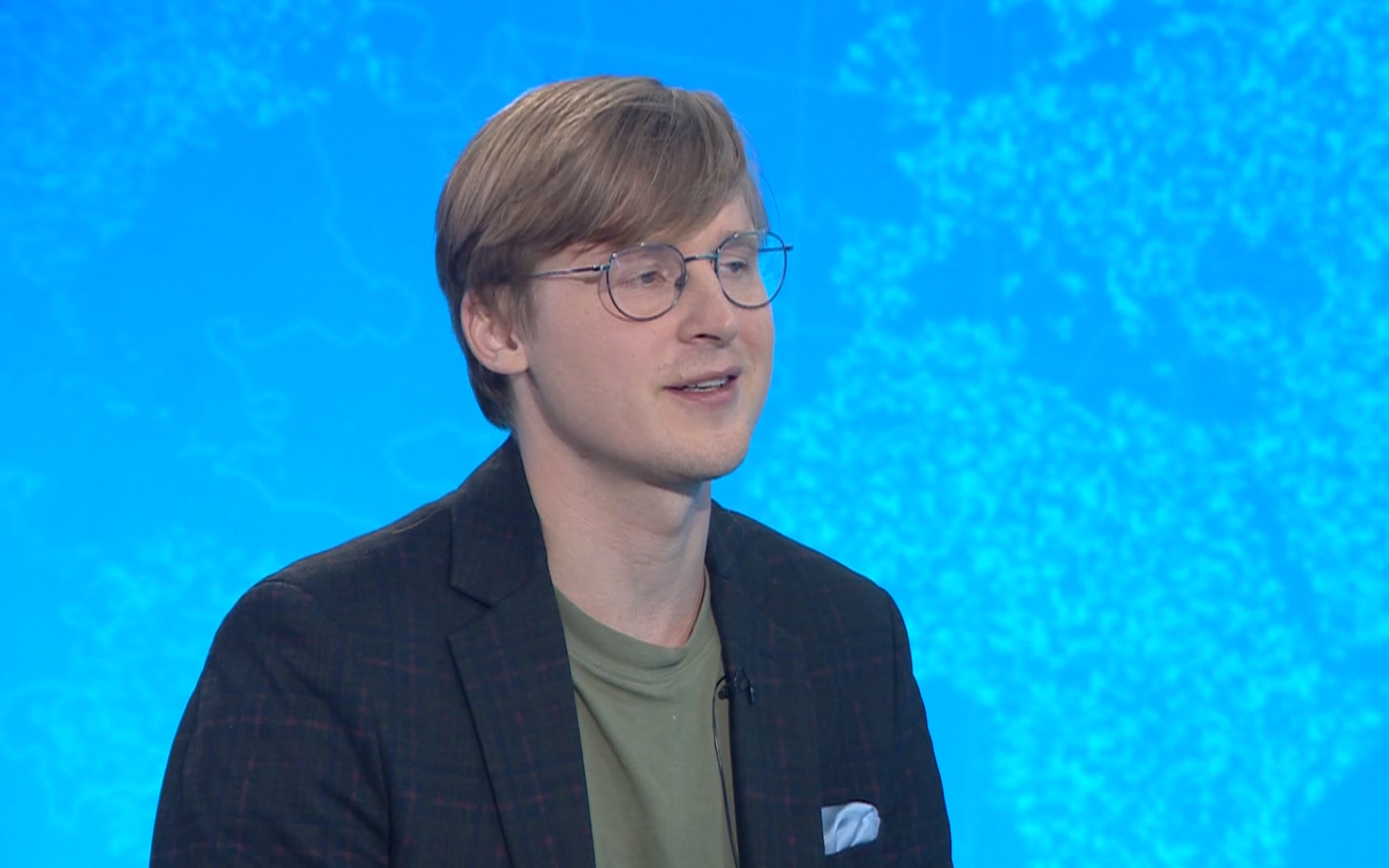
Recent personnel changes at the Ministry of Defense reflect a long-running conflict between two camps within Estonia's defense establishment, says Madis Hindre.
The Estonian Center for Defense Investments (RKIK) has done both good and bad work. These scandalous contracts were signed before the current secretary general took office and the minister did not sign them either. What responsibility do then-Permanent Secretary Kusti Salm and then-RKIK Director General Magnus-Valdemar Saar bear?
Kusti Salm's responsibility is probably very closely tied to setting up these processes — the way things were done at RKIK. Did the Ministry of Defense exercise oversight over what was approved at the ministry? As for Magnus-Valdemar Saar, his signature is on all of these contracts. And yet, I would point out that most of these contracts with Datasel were actually signed during Kaimo Kuusk's tenure [as permanent secretary of the Ministry of Defense]. He took office in September 2024.
Why does Martin Herem need to get rid of Kaimo Kuusk? The reason for this conflict has remained somewhat unclear.
But do you remember the period when Kusti Salm left and Martin Herem changed jobs? New people came in, there was a new permanent secretary and for a long time Kusti Salm was signaling in various places that the minister should leave as well. This conflict between two camps — with Salm and Herem and perhaps Palm [Veiko-Vello Palm — ed.] on one side and Pevkur and Kaimo Kuusk on the other — quietly continued to simmer. I don't know whether they were communicating with each other, but it kept simmering in one form or another. And if Herem says he cannot work with Kuusk, that's understandable.
Until now, the Estonian state has protected permanent secretaries from an incoming minister. A permanent secretary has six months to work with a new minister and see whether they can work together. Now Pevkur was asked to dismiss Kuusk. How does that look?
It doesn't look good. It's clear that the prime minister had made the decision. I don't believe Pevkur wanted to dismiss Kuusk. Pevkur brought Kuusk into the ministry and I doubt Kuusk would have wanted to give such a mild-mannered interview right here in the ETV studio yesterday, saying, essentially, "I can leave if that's what they want."
I would also point out that in that same interview yesterday, Kuusk mentioned that he had had a conversation with Martin Herem, but also with State Secretary Keit Kasemets. I wasn't present for that conversation, but I've heard from several sources that the state secretary presented Kuusk with a very stark choice: Either you go the easy way or the hard way; either you leave amicably or not so amicably. That could be a reference to some sort of disciplinary proceedings and removal from office. I don't know the details, but that's what I'm hearing from sources I consider quite reliable.
Martin Herem has spent two years as a strategic adviser at defense technology startup Frankenburg whose leadership also includes Kusti Salm and Veiko-Vello Palm. And now someone who was on the receiving end of defense funding is going back to the government side where he will have influence over how that money is distributed? It sounds strange ...
We'll keep an eye on it. Ultimately, we'll see from the contracts that are signed and the partnerships that are formed. If all the funding taps suddenly open up for Frankenburg, or if it starts getting all the contracts, then perhaps it really would look strange. But perhaps that won't happen.
We also don't know what will happen because Martin Herem has indicated that he would like Veiko-Vello Palm and perhaps Kusti Salm on his team, though not as permanent secretary. We don't yet know what roles they would have or what role they would play in cooperation with the defense industry. But it's clear that everyone involved will be watched very closely.
What happened with Andres Sutt? Does he just not want to do it anymore?
Andres Sutt doesn't want to run for office again. But the explanation that we have some sort of tradition that you shouldn't serve as a minister if you're not running for office — that's a made-up tradition, or rather, it's a Reform Party tradition.
The way I see it, Andres Sutt doesn't want to run in the spring and the Reform Party's view — which Sutt is also perfectly willing to accept — is: Why waste a good ministerial post? After all, a ministerial post isn't intended solely for getting the work done; it's also meant to put party members in the spotlight. I don't know whether a ministerial post should be used that way. Andres Sutt could quite easily spend another six months finishing the work he has started and then move to the private sector.
--
Editor: Marcus Turovski, Aleksander Krjukov
Source: "Aktuaalne kaamera"


