Phys ed teacher: Kids need more opportunities for movement
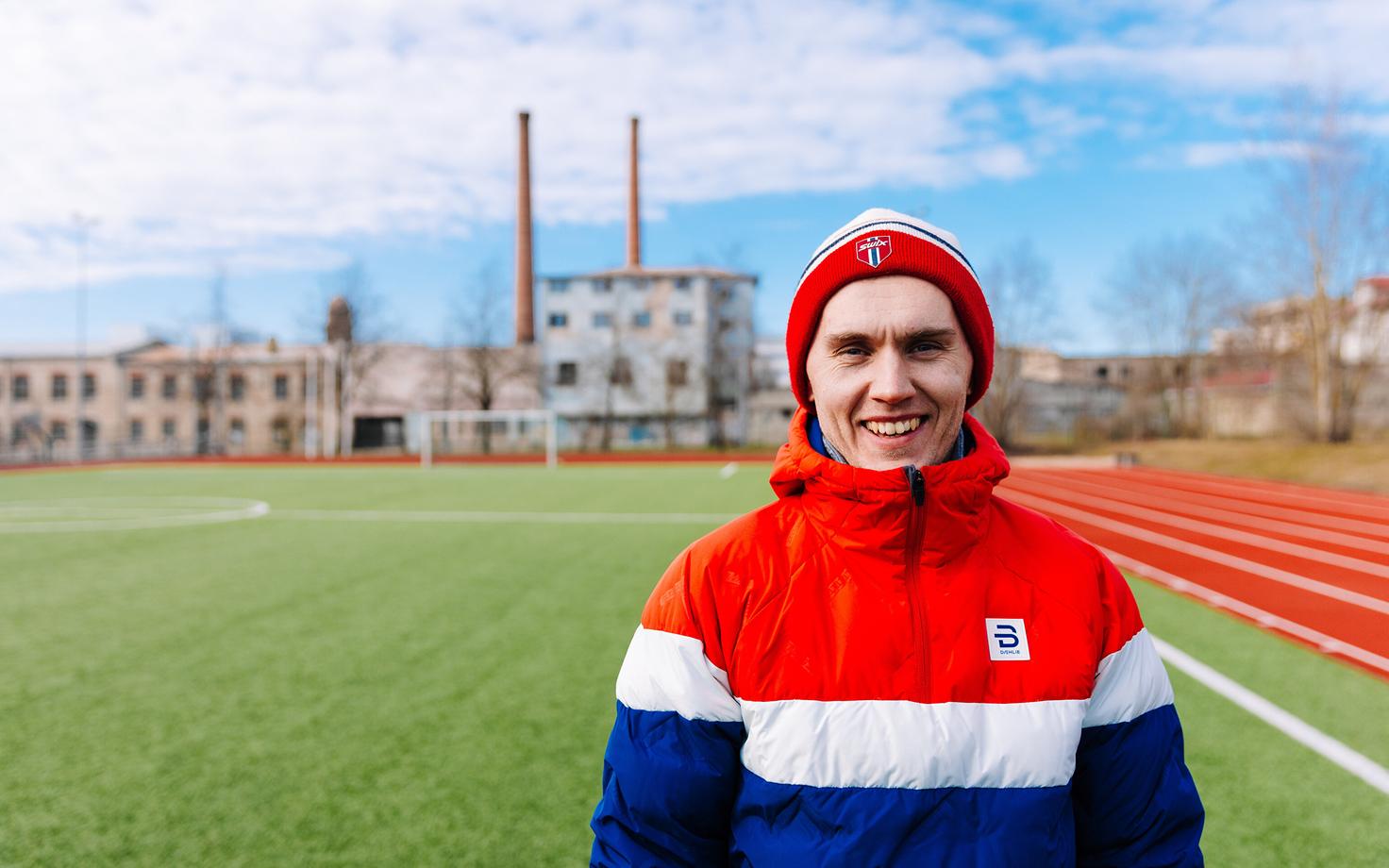
Children are more likely to stay active when they have plenty of opportunities to move at home, school and in their free time, physical education teacher Siim Tõnisson says.
Tõnisson said working out or being involved in organized physical activity provides so many benefits.
"It shapes their understanding of the world around them and how quickly they grasp things," he said, adding that the impact is noticeable.
Even so, he said kids don't necessarily need to be in organized sports or physical activities if they get enough movement in daily through school, extracurriculars and time spent active with their families.
Before signing a child up for a sport or class, Tõnisson said families should consider whether the child is actually interested in it.
"If they are, you should definitely start with the ones they want to try — which are usually the ones their friends already attend," he added.
Grownups' own habits can also shape kids' choices. A child whose parents play tennis, for example, may be more likely to pick up a racket themselves.
Especially with young kids, however, more important than lengthy explanations about why physical activity matters is encouraging movement by engaging in it together with them.
"Parents play an important role in shaping their children's physical activity habits," Tõnisson said, but added that parents taking BodyPump classes or playing padel themselves isn't enough if the kids aren't involved.
"When the kid comes along, that has a completely different impact," he added.
Kids aren't the problem
Tõnisson also pointed to electric scooters and smartphones as challenges to children's activity levels, especially with the added factor of scooter-related injuries.
The phys ed teacher said families and schools can both help by offering alternatives. At his school, students have lockers for their phones and can use the gym and sports equipment during breaks between classes.
"I'm there too, helping guide the kids by saying, 'Let's go do something!'" he added.
The phys ed teacher said schools could also build more movement into the school day. Estonia's Schools in Motion (Liikuma Kutsuv Kool) program, for example, gives students longer outdoor recesses, opportunities to lead games and ways to add active breaks to regular lessons.
Regardless, Tõnisson said kids themselves are not the problem. At his school, he sees kids enjoying soccer, basketball, parkour, climbing and jumping, and even basic equipment can serve to get kids moving.
Even a simple 90 centimeter by 60 centimeter box was a hit with his students.
"We had 20 kids standing in line just to jump onto this box," he added.
--
Editor: Karmen Rebane, Aili Vahtla


