Presidential adviser: Lack of common EU position on Russia 'regrettable'
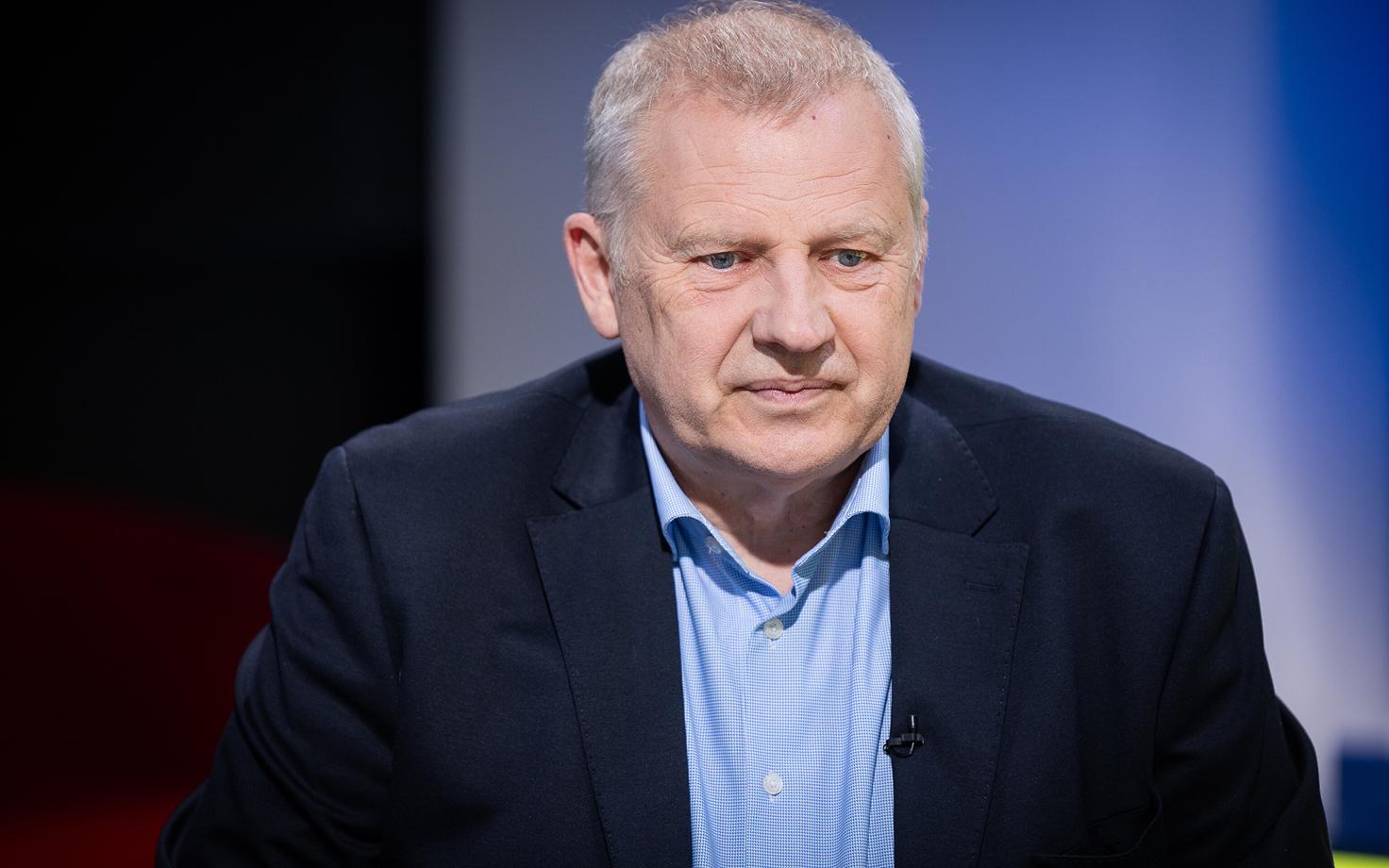
Europe lacks a shared plan for engaging Russia, which makes ending the war in Ukraine difficult, security adviser to the president Rainer Saks said.
Speaking to "Esimene stuudio" following Tuesday's phone call between Finland's President Alexander Stubb, Norwegian Prime Minister Jonas Gahr Støre, and Russian President Vladimir Putin, Saks said what matters most is that Ukraine is satisfied.
"I would say that if this phone call is followed by something that brings the peace process closer in a direction amenable to Ukraine, then it can be considered to have been entirely positive. If Ukraine is satisfied that the call went ahead, then this is also entirely positive. We can't say that if Ukraine next asks Romania or Turkey to do something, then everyone else will start waving their arms in offense — that really doesn't work. But the fact that there is no common position on how to engage with Russia is somewhat regrettable," Saks said.
Europe as a whole is not yet mature enough to talk to Putin, since there are no shared discussions and no clear action plan is being drawn up, Saks added.
Saks noted Stubb and Estonia's president at the time, Alar Karis, said in spring talks with Russia at some point were inevitable, but that there was no readiness then as Europe had no common understanding of how the process should work.
Saks said President Ülle Madise, who entered office last month, had no prior warning the call was going ahead; diplomats informed Kadriorg afterwards.
"My advice to the president is that we support these steps if they bring us closer to peace, and we simply need to communicate with each other more. Within Estonia, the first thing is of course for the government to ensure people are on the same wavelength in terms of both information and position," Saks said.
He disagreed with the claim that there is no point in engaging Putin whatsoever. "The question is not whether there is a point in communicating or not, but how you communicate and what it is you want to achieve. [But] there is no point in simply talking for the sake of talking — I agree with that part," he said.
Saks stressed that the concept of Europe being part of the process should not be interpreted as the EU as a whole being part of it, given the multiplicity of institutions and high-ranking figures that would entail. He said a coalition of the willing on support for Ukraine would have the initial moral obligation and right to put something common together. "Until that is done, these potential problems will keep recurring," he said.
Saks said the Finnish and Norwegian foreign ministries briefed diplomats from Estonia and other key partners, but that briefing was of limited value as the content of the meeting had already been splashed across the media in some detail.
As to the claim that Putin delivered a 70-minute monologue, Saks said the Russian president gives such monologues at all meetings, and that the time should be discounted somewhat for translation. "But it also shows that the Russian president took the time, considered it important, and delivered his monologue," he said.
When asked about Russian media attempts to present the call to in a light which gives the Kremlin the advantage, Saks said Moscow is trying to establish two things: first that Europe must eventually join talks, and second that the U.S. alone cannot pressure Ukraine. "That is of course a mistake we all make: we think Ukraine is fighting only because we support them. No — they are fighting because they want to survive, and in the end they decide most of all how long they can hold out, how motivated they are and so on," Saks concluded.
Finland and Norway initiated the 90-minute call from Helsinki in their capacity as states which border Russia, rather than on behalf of Europe. The call was prepared in consultation with Ukraine and the U.S. following last week's Oslo meeting.
Estonian Foreign Minister Margus Tsahkna (Eesti 200) was briefed on Tuesday's call.
--
Follow ERR News on Facebook and Twitter and never miss an update!
Editor: Andrew Whyte, Johanna Alvin


