Justice chancellor: University cannot bar Russian, Belarusian applicants
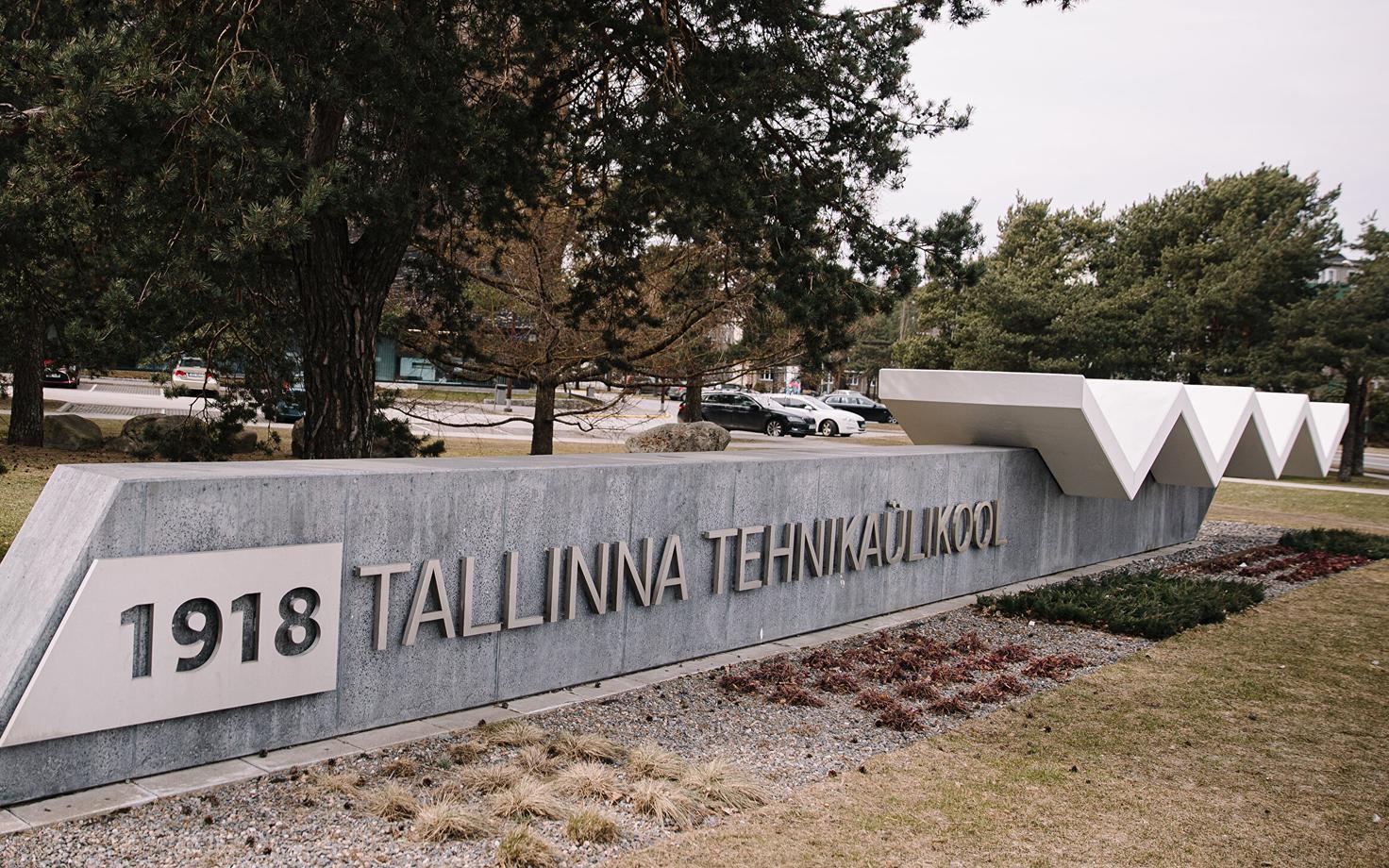
Estonia's justice chancellor says TalTech cannot bar Russian and Belarusian applicants solely because their legal right to stay in Estonia may expire before graduation.
The Office of the Chancellor of Justice reviewed a complaint from a Russian citizen whose applications to Tallinn University of Technology (TalTech) were rejected because he lacked a valid residence permit. The university's admissions rules bar Russian and Belarusian citizens who lack lawful grounds to remain in Estonia for the full standard duration of their degree program.
Deputy Chancellor of Justice and adviser Olari Koppel, serving as acting chancellor of justice, says the policy violates the constitutional principle of equal treatment, discriminating against applicants based on citizenship. He noted that the complainant has lived in Estonia for four years, graduated from an Estonian high school and passed a B2-level Estonian language exam.
Applicant challenges order to leave the country
The Police and Border Guard Board (PPA) denied the complainant's application for a temporary residence permit and ordered them to leave the country. They have taken the orders to administrative court, where the case remains pending.
The PPA, in the meantime, has extended their deadline for leaving Estonia.
TalTech declined to invite the complainant to an admissions interview because they lacked the legal grounds to stay in the country.
Koppel said the policy is unconstitutional, stressing the guaranteed right to an education and equal treatment before the law. These protections apply to Estonian citizens as well as both foreign nationals and stateless persons residing in Estonia.
Although the university says its rules are not based on citizenship, Koppel noted that they single out Russian and Belarusian applicants based on how long their legal right to stay in Estonia remains valid, while applicants who are citizens of other countries can apply even if their visas or residence permits do not cover the full duration of their degree programs.
The university argues that students could be forced to abandon their studies if their legal right to remain in Estonia expires, but Koppel countered that students of any nationality may end up discontinuing their studies for various reasons, regardless of their immigration status.
The university has not imposed the same restriction on applicants from other countries, he added, making the policy a violation of the principle of equal treatment.
University to await court ruling
Estonian sanctions have restricted visas for Russian and Belarusian citizens seeking short-term employment and temporary residence permits for work, study or business, and Koppel noted that Russian citizens thus generally cannot obtain visas or residence permits for study.
The university has no legal grounds for imposing its own admissions restrictions on Russian and Belarusian citizens, however, as Estonia's sanctions do not prohibit the citizens of either country from studying at Estonian universities.
TalTech rector Tiit Land said the situation is unprecedented for the university. He said the admissions rules are based on government sanctions that restrict Russian and Belarusian citizens' ability to obtain visas and residence permits for study.
If the court rules in the applicant's favor, TalTech will review its admissions requirements. The applicant could still be admitted to the university if the ruling enables him to obtain an Estonian residence permit.
--
Editor: Merilin Leetna, Aili Vahtla