Global fuel reserve release unlikely to lower Estonian diesel prices
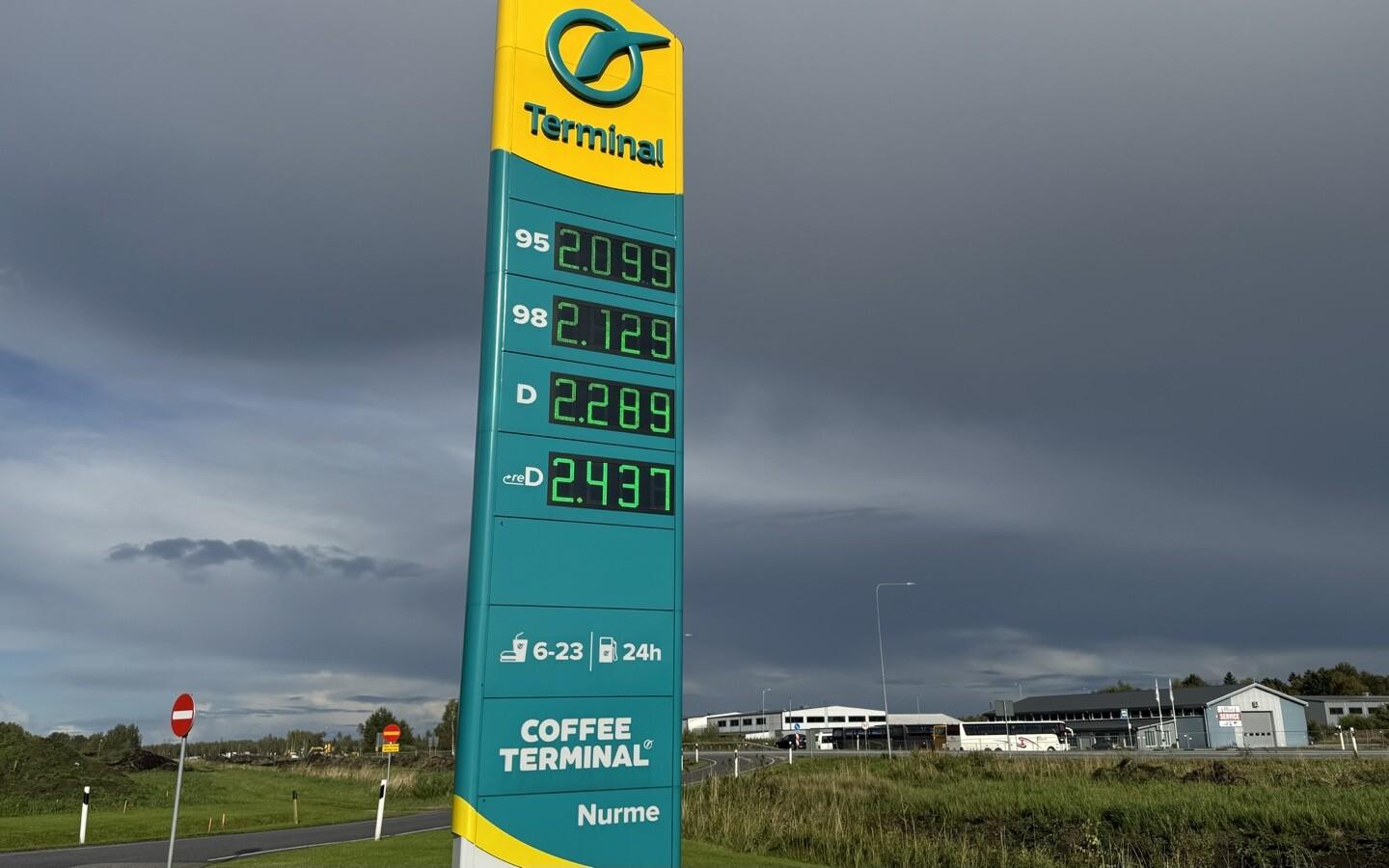
The G7 plans to release 100 million barrels of oil and diesel fuel from strategic reserves, but the move is unlikely to bring down diesel prices in Estonia.
G7 countries — Canada, France, Germany, Italy, Japan, the U.K. and the U.S. — are releasing the fuel under U.S. pressure to ease global energy supply problems. Although Estonia has previously contributed to international reserve releases, it is not part of the latest release.
The International Energy Agency (IEA) said its member countries, including Estonia, have so far released 325 million barrels of oil and petroleum products from strategic reserves. In March, they committed to releasing 400 million barrels in total, meaning 75 million barrels have yet to be released.
"That's not an additional 100 million," clarified Alan Vaht, a board member of Estonian fuel retailer Terminal. "It's not 400 million plus 100 million."
He said it remains unclear whether G7 countries or the IEA will release an additional 25 million to bring the total to 100 million barrels.
Estonia released a proportional 10 percent of its reserves in March but has not been asked to contribute to the latest release.
According to Estonian Stockpiling Agency (EVK) figures, the country currently has about 83 days' worth of fuel reserves, said Jaanus Uiga, deputy secretary general at the Ministry of Climate.
"That varies by fuel type," Uiga said. "The standard is 90 days, and that's where we are with diesel."
He said Estonia had released less diesel in the spring after determining it had a small surplus, and released more gasoline instead.
No price drop in sight
Vaht, meanwhile, said global fuel inventories have worn "extremely thin," with stocks about 20 percent below the five-year European average. Damage to more refineries has also made crude oil processing more expensive.
"The market for finished products is still in a critical state," he noted, pointing to a widening gap between current and future delivery prices.
Releasing reserves can ease the supply shortfall, but diesel is nonetheless likely to remain expensive at Estonian gas stations. Alexela board member Tarmo Kärsna said recent price spikes have eased but prices remain as high as they were in early September.
"Unfortunately, we shouldn't expect a major drop in prices," Kärsna acknowledged, noting that winter demand and the approaching heating season will put further pressure on the market.
"Prices are likely to remain at these levels until the conflict in the Strait of Hormuz is resolved," he added.
--
Editor: Johanna Alvin, Aili Vahtla