US think tank paints hypothetical scenario of a limited Russian invasion of Estonia
The U.S.-based Institute for the Study of War (ISW) published an article Monday evening outlining one possible scenario for how Russia could attack Estonia and test NATO's readiness to repel the aggression.
A limited Russian incursion into Narva could seek to test NATO's collective defense commitments without requiring Moscow to launch a full-scale invasion of Estonia, according to a scenario published by the U.S.-based Institute for the Study of War (ISW).
The authors stress that the scenario is neither a prediction nor an assessment that Russia intends to carry out such an operation. Instead, it examines what a limited incursion could look like, what Russia might hope to achieve and the challenges it could pose for Estonia and NATO.
Under the scenario, Russian agents already inside Narva could seize key buildings, including Narva Museum and the city government building and declare a so-called "Narva People's Republic." Moscow could then claim that Russian citizens in the city require protection while using drones based on Russian territory to attack Estonian forces attempting to retake the occupied areas.
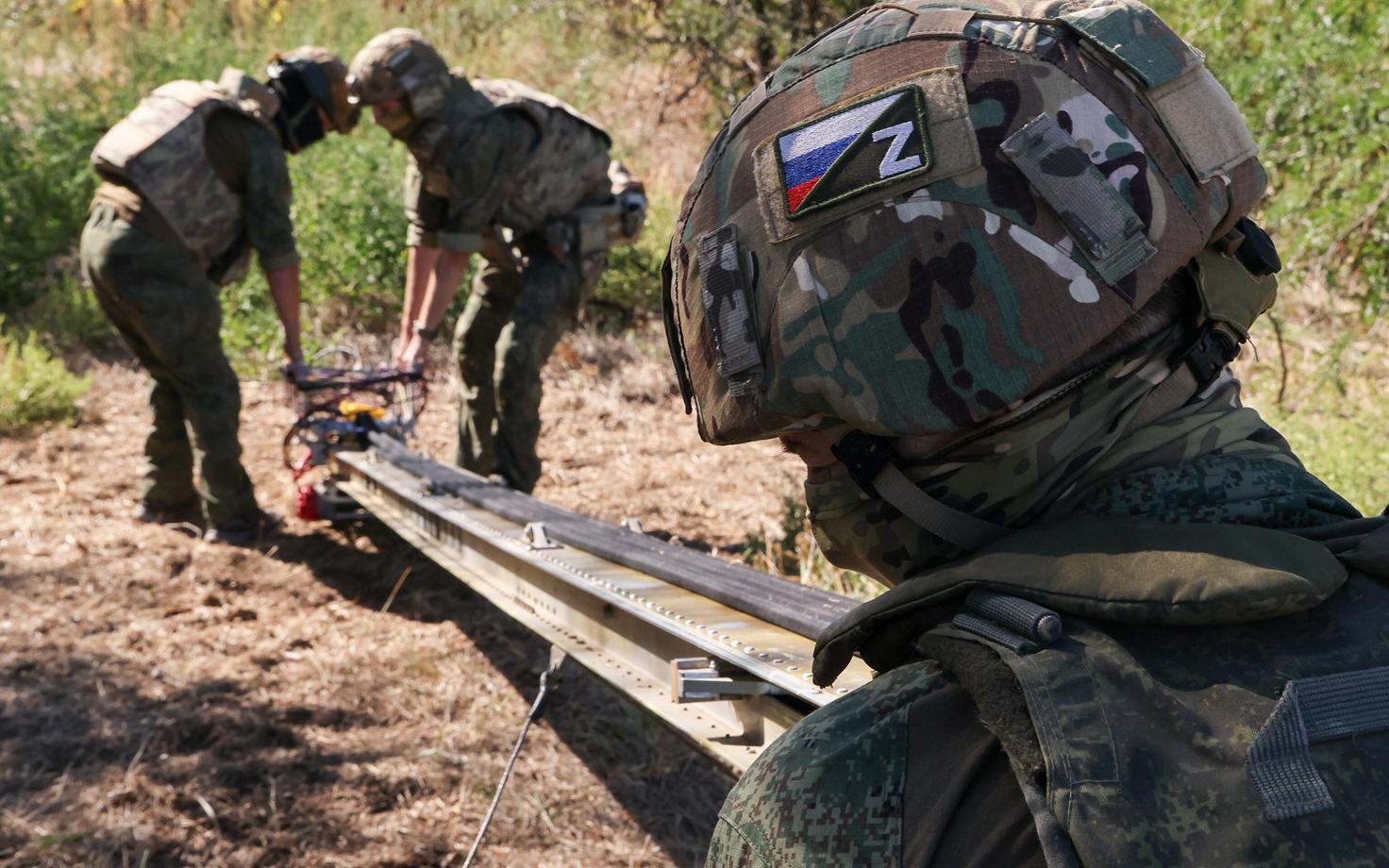
Rather than massing large conventional forces near the border, Russia could rely heavily on tactical drones, electronic warfare and small numbers of special forces or other troops. ISW said extensive use of first-person-view (FPV) drones, including fiber-optic models, could make it difficult for Estonian and allied forces to operate around Narva and reinforce the area.
The scenario also mentions that the Russian FSB announced on September 16, 2026, a 10-day ban on movement along and on the Narva River, a ban on firearms in the vicinity of Narva on the Russian side and a partial curfew.
The operation's broader objective could be to create a political crisis within NATO and test the credibility of Article 5, the alliance's collective defense provision. Russia could portray the events as an internal Estonian conflict in an effort to complicate agreement among NATO members over how to respond.
The authors said a full-scale Russian invasion of a NATO member remains unlikely while Moscow is heavily committed to its war in Ukraine. However, they argued that NATO should also prepare for smaller operations designed to remain below what Russia believes would trigger a large-scale allied military response.
ISW said deterrence would require NATO members to strengthen drone and counter-drone capabilities, electronic warfare and other systems that could be deployed rapidly along the alliance's eastern border.
The authors also highlighted the importance of a clear U.S. commitment to defending European allies, arguing that uncertainty over Washington's response could encourage Moscow to test NATO's collective defense commitments through a limited operation.
The full scenario can be found on the ISW website.
--
Editor: Marcus Turovski
Source: ISW



