Incoming minister: Russia talk has made foreign investors more cautious
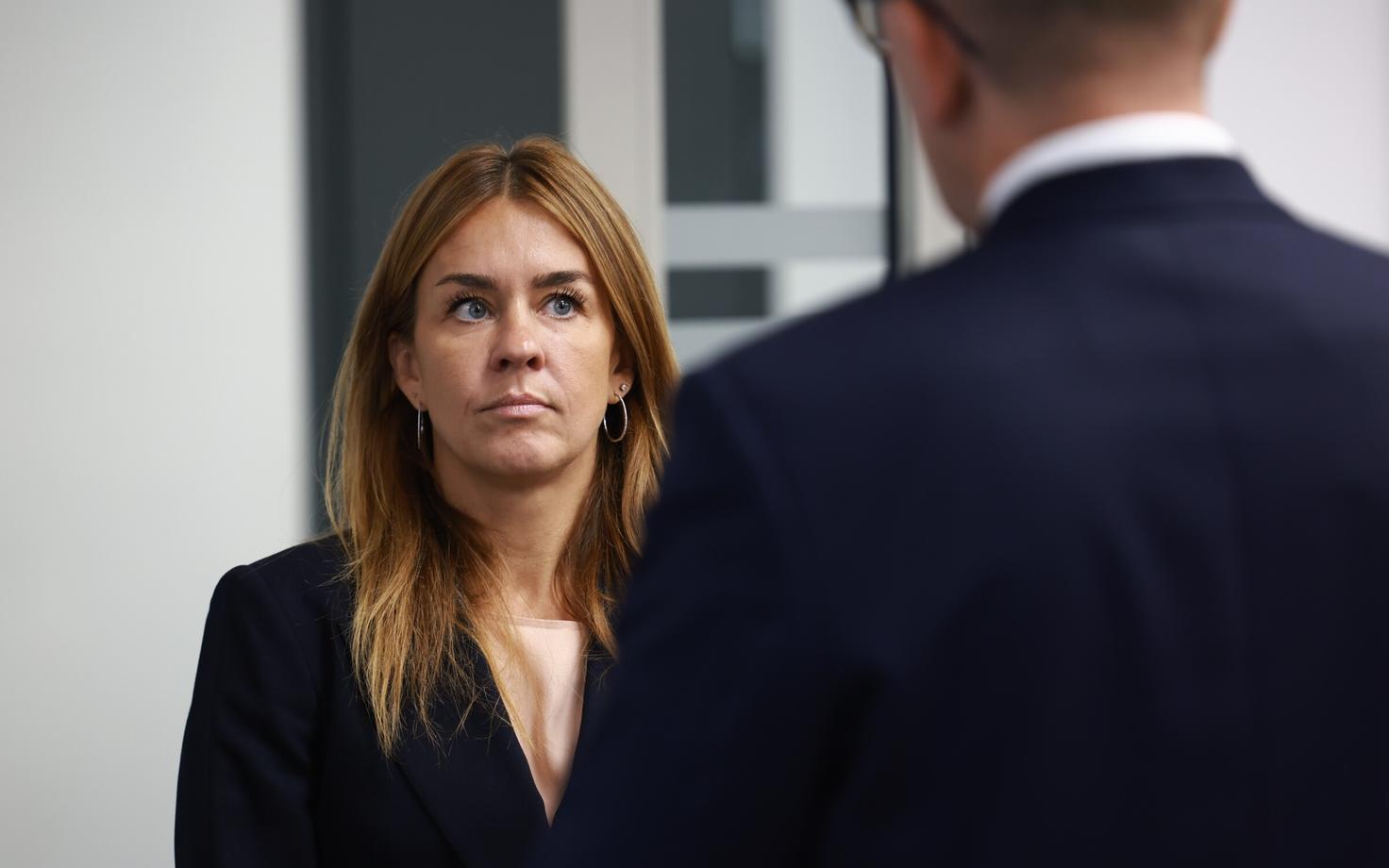
Talking about the Russian threat has made foreign investors looking at Estonia more wary incoming Economy Minister Liina Vahtras (Reform) said.
However, these discussions are necessary, and the resulting transparency has also earned more international trust in Estonia, added Vahtras, who also championed a move towards more automation and artificial intelligence (AI) for traditional industries.
Vahtras, a former head of the national e-residency program, was appointed minister of economic affairs and communications by the Reform Party on Tuesday.
Your new colleague [Defense Minister] Martin Herem has been talked about recently due to claims he is stoking fears of war in warning of a new Russian attack. A fear of war affects not only consumer decisions inside Estonia but also those by foreign investors. Should we be talking about how dangerous it is to be next door to Russia?
I think talking about the danger has actually earned Estonia a great deal of trust, and to a certain extent we definitely needed to do that. As far as foreign investment is concerned, that naturally also affects investors' decisions.
What should our message be?
Our message should be that we are prepared, we know what we are doing and we have the necessary capabilities. That falls somewhat within the remit of my new colleague, Martin Herem, but what we have actually seen at the Estonian Business and Innovation Agency is that the decision-making period for foreign investors has gotten longer. This is where we as the state can step in and explain what we have done, why we can still be trusted and that Estonia is protected.
Industrial companies are struggling. Wage-price inflation also affected by tax hikes have made production costly. What is the future of so-called traditional industry in Estonia?
What we have been seeing is that they certainly need to take even bigger and longer strides toward automation, digitization and the use of artificial intelligence. We are seeing that businesses are very interested in this. For example, the Estonian Business and Innovation Agency has developed an innovation loan which attracted a very large number of applications and expressions of interest, and the same was true of the AI grant. We had to close it off completely in less than an hour as more than 200 applications had been submitted. So the interest is strong, which means the need is clearly there. Businesses recognize that need, and this is where we can help.
The state is living on borrowed money. What are you prepared to cut from your area of responsibility in the new budget?
I can't answer that yet as I have not familiarized myself with the budget. However, I do know that a great deal has already been cut from the area of responsibility of the Ministry of Economic Affairs and Communications in previous years, so there are certainly things which can be done and reviewed, but unfortunately I cannot give you a more precise answer today.
Unfortunately, the public does not know very much about you, and your ministerial post is not exactly the most popular one — you are not going to be a star inside six months. What do you think will happen to you after the [March 2027] elections? The Reform Party is unlikely to have a very deep roster after the elections. How far ahead are you looking?
I will certainly do my very best and give it my all in standing in the elections and seek a mandate from the voters. If I do not attain that, I will have to seek out new challenges for myself, and I hope I will succeed in doing so.
--
Follow ERR News on Facebook and Twitter and never miss an update!
Editor: Andrew Whyte


