Natural History Museum opens 64th mushroom exhibition
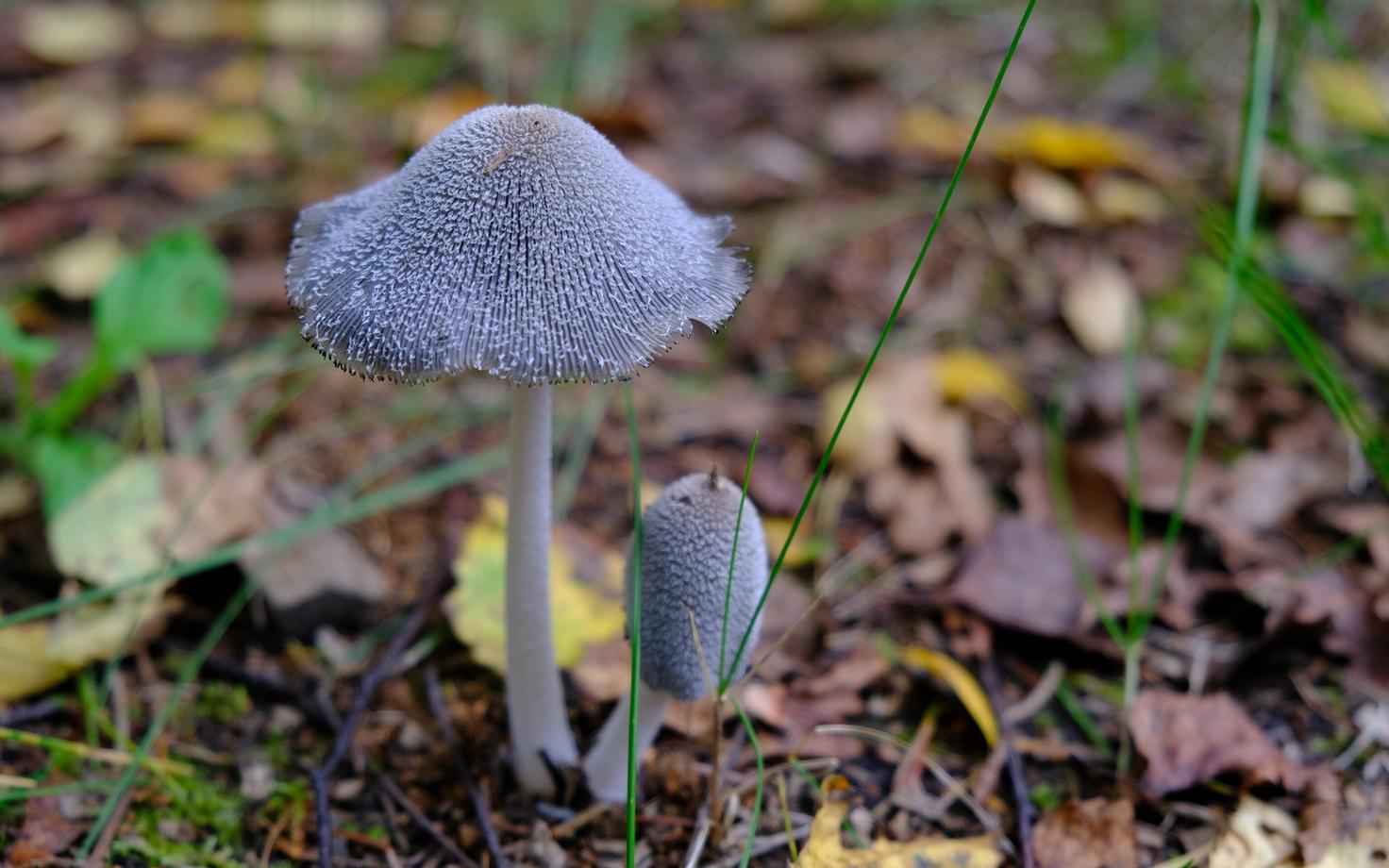
Researchers recommend heading out to forage, but warn against picking poisonous mushrooms, 15 species of which found in Estonia can be fatal.
The first mushrooms to arrive at the Natural History Museum's exhibition came from Mustamäe: common puffballs, which are edible.
"Our botanists still recommend not eating mushrooms that grow in the city. It is better to choose mushrooms found in forests, farther away from urban areas," said Liisa Johanna Lukk, communications manager at the Estonian Museum of Natural History.
Mushrooms growing in cities and alongside roads may contain heavy metals, including lead, cadmium, mercury and arsenic.
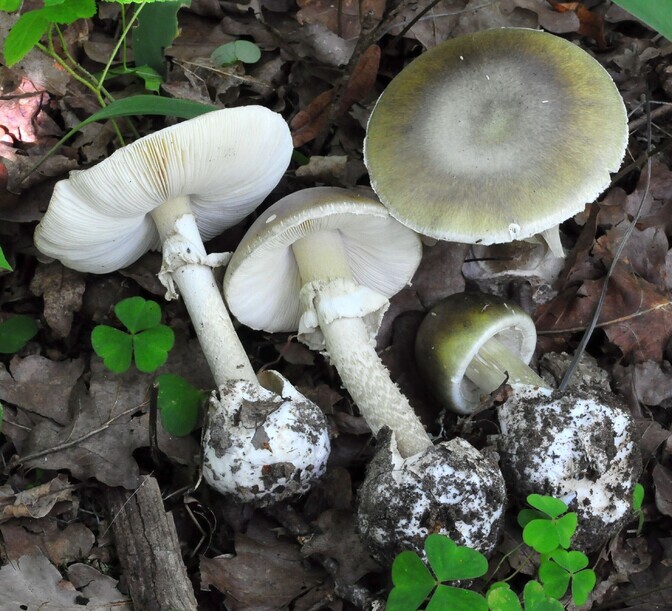
The Natural History Museum's mushroom foragers have a busy night ahead of them, as their haul from Lahemaa must be arranged before Thursday. The most intriguing specimens are, of course, the poisonous mushrooms. Estonia has around 200 poisonous species, 15 of which can be fatal. Visitors to the exhibition can learn which poisonous mushrooms can be easily mistaken for edible species.
"One of the deadly poisonous mushrooms found in Estonia's forests is the death cap. It can, for example, be confused with the green brittlegill. Viewed from the cap, the green brittlegill is also green. The important differences are on the stem, which is why we emphasize that you should not cut a mushroom off in the forest, but instead remove the entire mushroom from the moss," said mushroom exhibition curator Marja-Liisa Kämärä.
The mushroom exhibition opens at 4 p.m. Thursday. It is the museum's 64th mushroom exhibition and also the last to be held in its old building before the museum begins moving to its new location this fall.
The mushroom exhibition will remain open until September 20.
--
Editor: Marcus Turovski, Johanna Alvin
Source: "Aktuaalne kaamera"


