Minister warns revealing defense companies supplying Ukraine would expose them to Russian threats
Estonian defense companies receiving state funding to support Ukraine should be publicly named, says Taavi Veskimägi, the head of the defense industry council, while Minister of Defense Martin Herem argues that disclosing the firms would endanger them.
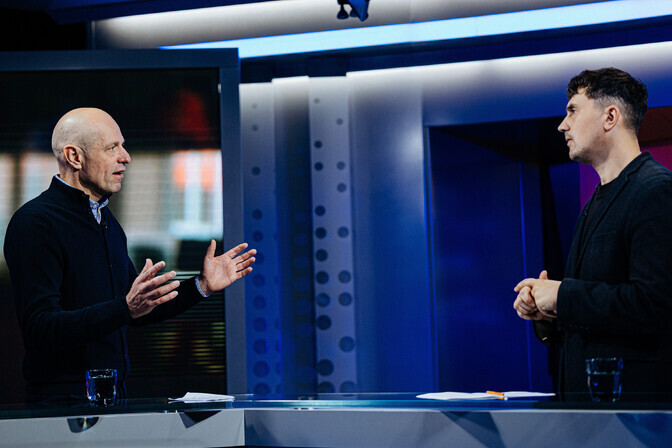
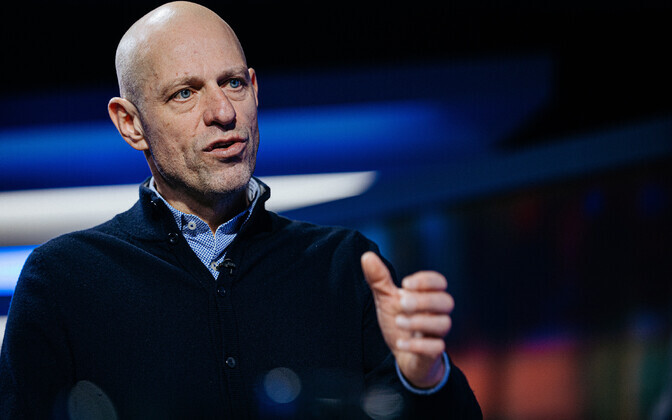
All companies receiving state money have signed non‑disclosure agreements with the Estonian Center for Defense Investments (RKIK), Veskimägi said on an ERR webcast.
"But I definitely think this should be public. I don't see any reason why it shouldn't or couldn't be public," he said.
"There is a clear effect here: Estonian products go to Ukraine using Estonian taxpayers' money. By sending these products to Ukraine, we actually finish them there, because every defense industry product is ultimately completed on the battlefield. And if one day we need them here in Estonia, we won't be dealing with prototypes. We will get products from Estonian companies that have been tested in Ukraine and have earned their combat credentials there," Veskimägi said.
"And when our own boys and girls have to use them, we know it's something reliable, something we can trust. So the more Estonian companies benefit from this measure, the more Estonia benefits, the more our defense capability benefits, and the more Estonian companies benefit," he added.
In September, the Ministry of Defense said it would not disclose which Estonian companies received financial support to help Ukraine, citing security concerns. In 2025 and 2026, Estonia purchased €200 million worth of Estonian defense industry products for Ukraine.
Veskimägi said all interested parties, including Russia, will find out who these companies are anyway.
"The only ones who don't know today are the general public, and because of that we lack an understanding of what capabilities we have sent to Ukraine for €100 million. Are these capabilities and technologies also needed for Estonia's defense? Does one company receive most of the funding, or is it distributed among many companies, which would be in the interest of Estonia's defense industry sector? Then we could have a public discussion about it, as well as a professional discussion between the Estonian Defense Industry Association and the Ministry of Defense about what kind of defense industry we actually want to develop in Estonia and whether this Ukraine measure supports that development," Veskimägi said.
Veskimägi said dozens of Estonian defense industry products have proven themselves on the battlefield in Ukraine.
The state should help ensure the security of defense companies
Veskimägi said Estonia has 260 defense companies. "Estonian defense industry companies today offer many technologies for many capabilities," he said.
Speaking about the arson attack on Milrem's production building, Veskimägi said defense companies have been aware of such risks for years and have made their own risk plans. "But the Milrem incident once again highlighted that this is something that cannot be ignored, must be addressed and must be invested in," he said.
"As a result, we agreed with security agencies to increase security briefings for companies and make them more frequent. I believe companies themselves will invest even more in their security systems, especially perimeter security. It was bad, but in some ways a necessary wake‑up call for our companies that this is something that must be dealt with," Veskimägi said.
Since most defense companies cannot ensure high‑level security on their own, Veskimägi said the state should step in.
"If the state sees — and the current coalition has said that defense industry and its development are priorities, which is a prominent part of the coalition agreement — then the state must provide support and guidance. Security agencies must support these companies by giving them a clear picture of the threats around us, because companies are simply not capable of doing this themselves in most cases, and they also lack the money to do it," Veskimägi said.
Defense minister: Naming firms funded for Ukraine would put them at risk
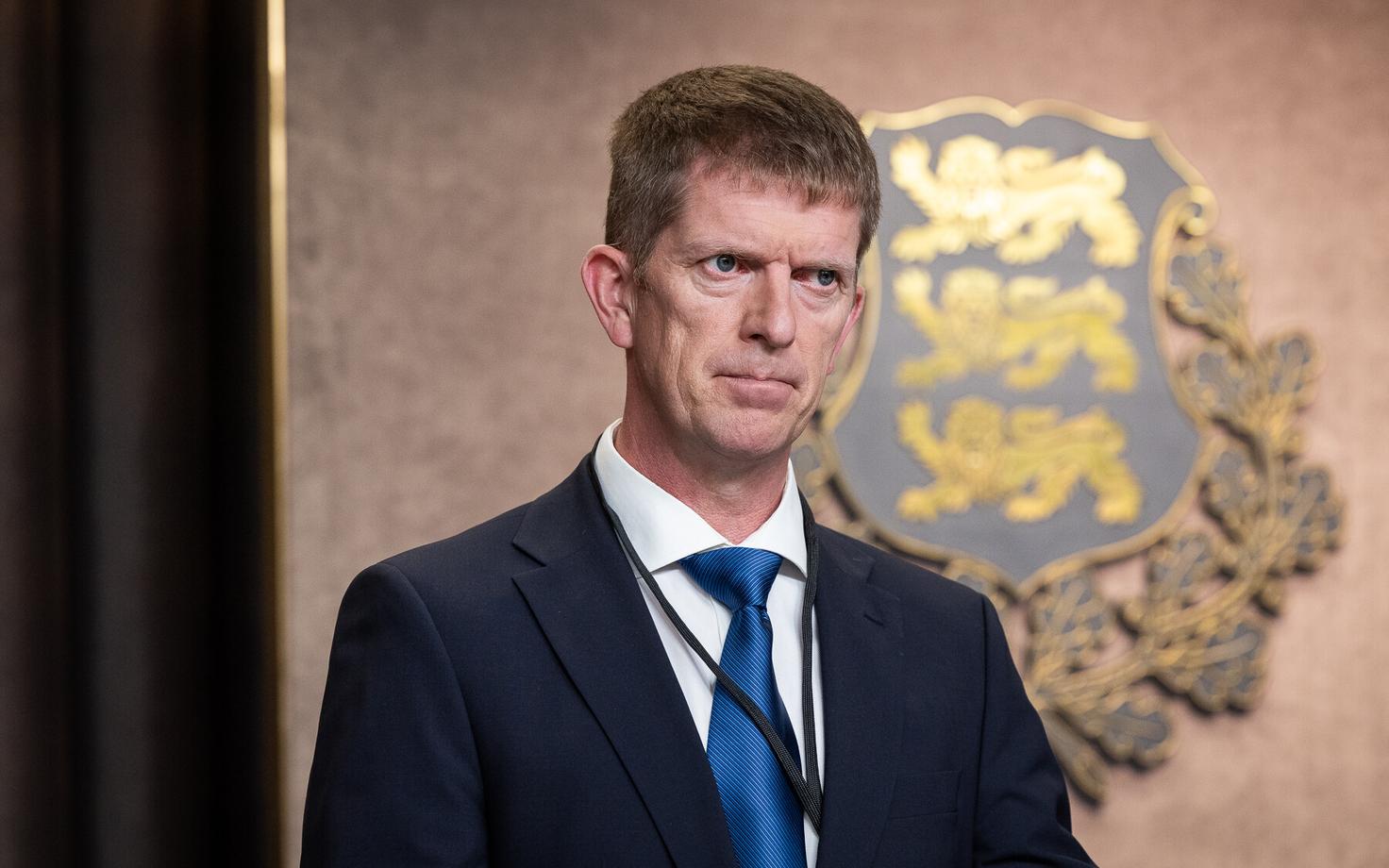
Defense Minister Martin Herem says he would not disclose which Estonian defense companies receive government funding to support Ukraine, arguing that doing so would endanger those firms. He added that disclosure could be considered if the companies themselves request it.
"In my view, there is no need to make them public, because they could become targets for the Russian Federation's special services, just as Foreign Minister [Sergei] Lavrov has threatened and as has already happened in Estonia and elsewhere," Herem told ERR.
Herem said disclosure could be reconsidered if the companies agree to it.
"Right now, my understanding is that we have an agreement with them not to disclose. If the contract says we do not disclose, then we will not. If the companies say they want it or agree to it, then of course we can do it. It's somewhat a matter of agreement, and the Defense and Aerospace Industry Association has been involved in the process. If they have proposals, they should come to the Ministry of Defense and we will review them," Herem said.
He added that he does not shape his positions based on media commentary.
"In the media we can say all sorts of things. I have no intention of making any changes because of this. There is a commission that deals with reviewing Ukraine aid — the principles on which we provide it and how. This topic will likely come up in that work. But if you ask whether opinions expressed in the press influence me much, honestly, I cannot even keep track of them," Herem said.
This article has been updated on 7 October with a comment from Defense Minister Martin Herem.
--
Editor: Aleksander Krjukov, Argo Ideon